Badge
Mar 17, 2026
AI Revolutionizes Game Creation: The Rise of LLM Development
Explore how Large Language Models are fundamentally changing game development, accelerating creation from weeks to minutes.
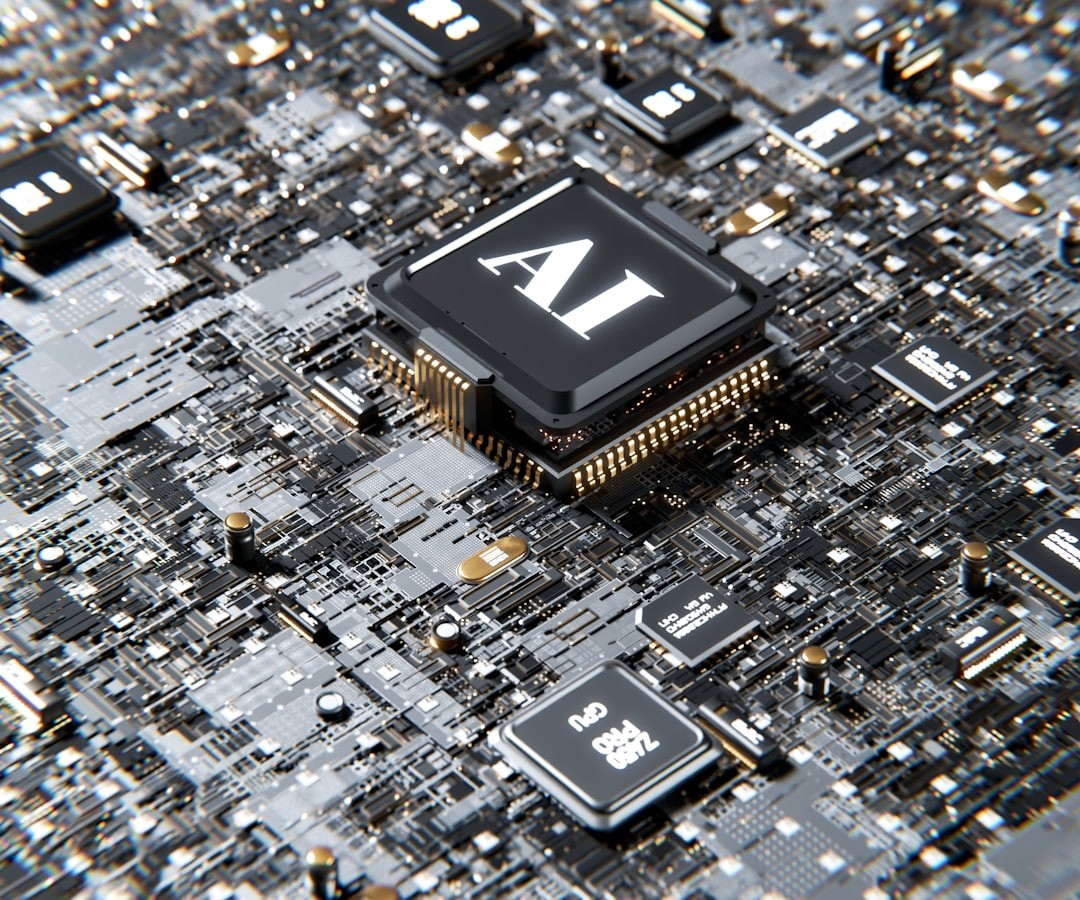
The landscape of video game development is undergoing a seismic shift, largely driven by the integration of Large Language Models (LLMs) and advanced artificial intelligence. These powerful AI systems, trained on vast datasets, are moving beyond simple code generation to orchestrate the creation of entire games through natural language prompts. This evolution is democratizing game development, lowering the technical barrier for aspiring creators and significantly accelerating workflows for seasoned professionals.
Understanding the Power of LLM Gaming
LLM gaming refers to the innovative process where AI systems interpret textual descriptions to generate game logic, assets, and mechanics. Instead of painstakingly writing thousands of lines of code, developers can now articulate their vision in plain English, with AI translating these concepts into functional game elements. This conversational approach transforms the development process from a code-intensive discipline into an accessible, creative dialogue.
Transforming the Development Pipeline
Traditionally, crafting even a simple game prototype demands expertise across multiple domains: programming languages, game engines, 3D modeling, and audio production. This complex ecosystem often means a basic 2D platformer could take weeks to prototype. LLM-powered solutions are drastically compressing this timeline, reducing prototyping to mere hours or even minutes. This acceleration is not just about speed; it's about enabling more iterative design and broader experimentation.
SEELE's Specialized Approach to AI Game Creation
Companies like SEELE are at the forefront of this AI revolution, developing platforms that specialize in text-to-game generation. Their proprietary Multimodal Large Language Model (MLLM) is specifically engineered for game creation. Unlike general-purpose LLMs, SEELE's model possesses a deep understanding of game-specific concepts such as physics systems, collision detection, animation state machines, and gameplay balance. This allows it to generate not only the code but also the complete structural framework for a game, including player controllers, camera systems, level design, and interactive elements, all from a single conversational prompt.
Integrated Asset and Logic Generation
What truly sets advanced platforms apart is their ability to generate both functional code and cohesive game assets simultaneously. SEELE's AI can produce production-ready Unity C# scripts and Three.js WebGL code within seconds. Concurrently, it generates essential visual and audio components: 3D models with automatic rigging, sprite sheets with animation frames, PBR textures, and synchronized audio. This integrated pipeline eliminates the need to juggle disparate tools for art, animation, and programming, streamlining the creation of playable prototypes.
Measurable Impact and Efficiency Gains
The effectiveness of LLM-driven development is evident in the staggering reduction in time-to-playable prototypes. By handling both asset creation and code generation within a unified conversational workflow, platforms like SEELE have demonstrated an 80-90% decrease in prototyping time. This has been validated through hundreds of thousands of game generation requests, highlighting the tangible benefits for developers seeking rapid iteration and concept validation.
The Future of Game Development
The integration of LLMs signifies a profound shift in accessibility and efficiency within the game industry. It empowers indie developers, accelerates the work of larger studios, and opens doors for entirely new forms of interactive experiences. As AI continues to evolve, we can expect even more sophisticated tools that blur the lines between imagination and digital creation, making the dream of building a game more attainable than ever before.
Best Practices for LLM Integration
While the potential is immense, effectively leveraging LLMs requires a strategic approach. Developers are encouraged to start with clear, concise prompts, focusing on core mechanics and desired outcomes. Understanding the nuances of the AI model being used, whether a specialized gaming LLM or a general-purpose one, is crucial for optimizing results. Iterative prompting and refining generated elements are key to achieving the desired game design. Furthermore, incorporating LLM-generated elements requires careful integration into existing workflows to maintain project coherence and quality standards.
Embracing the New Era of Creation
Getting started with LLM gaming is now more accessible than ever. Platforms offer intuitive interfaces that require minimal coding knowledge, allowing creators to focus on the artistic and conceptual aspects of game design. The ability to generate complete games from text prompts is not just a technological marvel; it's a catalyst for innovation, poised to redefine how we conceive, build, and experience interactive entertainment.
Source Insight: This report was curated based on original coverage from seeles.ai.
Explore Kri-Zek
📱 Altered Brilliance App
Download on Google Play · Watch the Trailer
📖 The Power of Gaming
Watch the Video
🤝 Connect With Us
Kri-Zek on LinkedIn · Founder on LinkedIn · Happenstance
📸 Follow Us on Instagram
@krizekster · @krizek.tech · @krizekindia