Badge
May 23, 2026
AI Revolutionizes Indie Game Development, Empowering Creators Without Code
The landscape of game development is undergoing a seismic shift in 2026. AI tools are now empowering aspiring creators to build their dream indie games without needing to write a single line of cod...
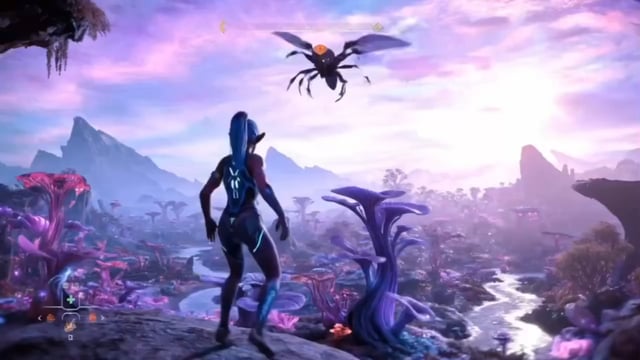
The year 2026 marks a pivotal moment in game development, signaling a profound shift from specialized roles to comprehensive creative management. Aspiring developers no longer need deep expertise in coding or art to bring their visions to life. Instead, the emphasis is on prompt engineering and curatorial taste, enabling individuals to act as creative directors, guiding AI tools to manifest their imaginative concepts into playable experiences.
The Democratization of Ideation and Narrative
The initial spark of a game idea, often a fleeting "what if," can now be rapidly transformed into a detailed Game Design Document with the aid of advanced Large Language Models. Tools like ChatGPT-6 or Claude 4 act as virtual co-founders, capable of brainstorming complex enemy concepts, unique gameplay mechanics, and even intricate lore based on simple prompts. This collaborative process accelerates ideation, moving beyond the confines of a blank page to concrete concepts, such as survival horror scenarios incorporating cosmic horror and dynamic oxygen management mechanics.
Furthermore, the creation of dynamic and responsive narratives has been revolutionized. Platforms like Inworld AI allow for the development of non-player characters (NPCs) with distinct personalities, backstories, and motivations. These characters can engage in real-time, contextually appropriate dialogue, moving past repetitive script-based interactions and offering players genuinely emergent storytelling experiences.
Visualizing Worlds Through AI-Driven Artistry
The visual aspect of game development, once a significant barrier, is now largely accessible through AI. Tools such as Midjourney V7 excel at generating evocative concept art, quickly establishing the mood, atmosphere, and color palette of a game world. These visual guides serve as crucial benchmarks for the project's aesthetic direction, ensuring a cohesive artistic vision.
Complementing concept generation, text-to-3D generation tools like Meshy, Luma AI, and Rodin are rapidly transforming asset creation. Within minutes, these platforms can produce 3D meshes from text prompts or concept art, handling the bulk of environmental assets, from furniture to entire structures. While hero assets may still require manual refinement, these tools drastically reduce the time and effort needed to populate a game world, enabling the creation of rich environments in mere hours.
Bridging the Gap in Logic and Programming
The traditional barrier of coding is being dismantled by AI-powered development assistants. For engines like Unity and Godot, tools such as GitHub Copilot and Cursor allow developers to describe desired functionalities in plain English comments, with the AI generating the functional code instantly. This empowers individuals with strong design ideas but limited coding knowledge to implement complex game mechanics.
Unreal Engine's Blueprints visual scripting system is further enhanced by AI. Instead of manually connecting nodes, developers can explain the desired logic to an AI assistant, which then constructs the Blueprint graph. This abstraction turns complex programming tasks into simple conversational instructions, making sophisticated game logic accessible to a broader range of creators.
Crafting Immersive Soundscapes
Sound design and music composition, integral to the player experience, have also been democratized by AI. Adaptive music generation tools like Suno and AIVA can create dynamic soundtracks that respond to gameplay, offering varied musical themes for exploration and combat while maintaining thematic consistency. This capability eliminates the need for extensive musical composition and arrangement expertise.
Similarly, AI-powered voice acting tools, exemplified by ElevenLabs, can generate high-quality voice lines with distinct accents, emotional nuances, and varied pacing. This technology significantly reduces the cost and time associated with traditional voice acting, allowing indie developers to achieve professional-sounding dialogue for numerous characters without substantial investment.
Assembling the Vision in Next-Generation Engines
Unreal Engine 5.6 stands out as the premier choice for assembling these AI-generated components. Its advanced features, including Nanite for handling complex geometry and Lumen for realistic dynamic global illumination, drastically reduce technical hurdles. These technologies streamline the process of integrating assets and achieving high-fidelity visuals without extensive optimization or time-consuming light baking, allowing creators to focus on gameplay and artistic expression.
Source Insight: This report was curated based on original coverage from tekingame.ir.
Explore Kri-Zek
📱 Altered Brilliance App
Download on Google Play · Watch the Trailer
📖 The Power of Gaming
Watch the Video
🤝 Connect With Us
Kri-Zek on LinkedIn · Founder on LinkedIn · Happenstance
📸 Follow Us on Instagram
@krizekster · @krizek.tech · @krizekindia