Badge
May 20, 2026
AI Revolutionizing Game Development with Advanced Features
Artificial intelligence is rapidly reshaping the gaming landscape, driving innovation in content creation, character intelligence, and personalized player experiences.
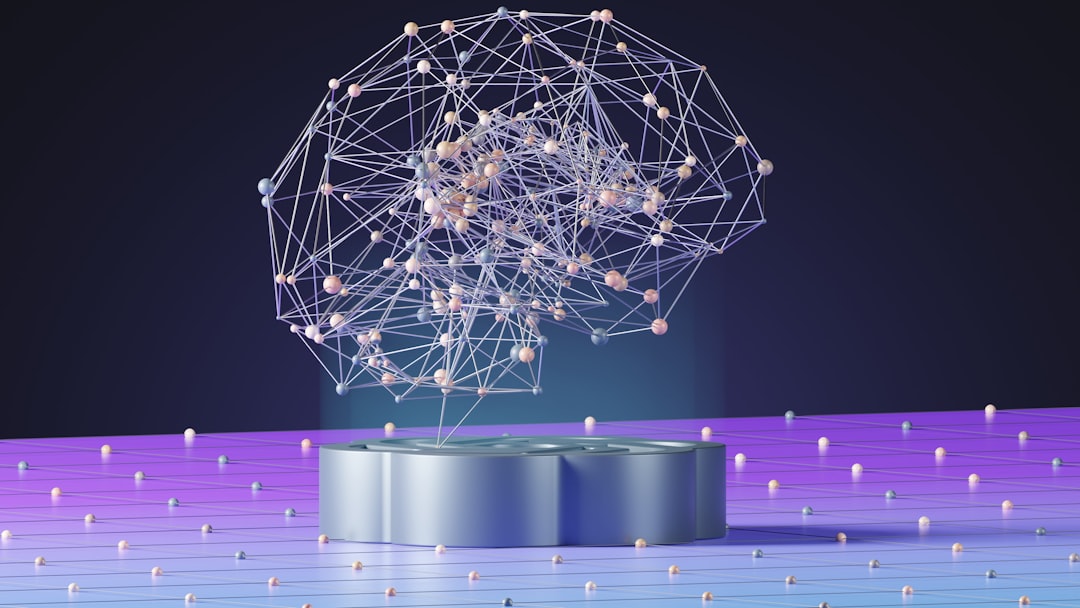
Artificial intelligence is no longer a futuristic concept in game development; it's a present-day force driving significant innovation. AI's integration is fundamentally transforming how games are made, enhancing everything from the creation of vast, dynamic game worlds to the nuanced behavior of non-player characters (NPCs), and ultimately, personalizing the player's journey.
Procedural Content Generation on Steroids
One of the most impactful applications of AI lies in procedural content generation (PCG). AI algorithms can now create vast, intricate, and unique game environments, quests, and assets with unprecedented speed and complexity. This not only reduces development time and costs but also allows for the creation of more dynamic and replayable game worlds that can adapt to player actions, offering a constantly fresh experience.
Smarter, More Believable NPCs
The intelligence of NPCs is another area where AI shines. Gone are the days of predictable, scripted character behaviors. Advanced AI models enable NPCs to exhibit more realistic decision-making, adaptive learning, and emergent behaviors, making them feel more alive and responsive. This leads to more immersive gameplay, challenging encounters, and richer narrative interactions.
Personalizing the Player Experience
AI is also pivotal in personalizing the player experience. By analyzing player behavior, preferences, and skill levels, AI can dynamically adjust game difficulty, tailor content recommendations, and even generate personalized challenges or story arcs. This bespoke approach ensures that each player's journey feels uniquely crafted for them, fostering deeper engagement and satisfaction.
Boosting Production Efficiency
The impact of AI extends to streamlining the development pipeline itself. AI-powered tools can automate tedious tasks such as asset creation, bug testing, and even aspects of animation and level design. This allows human developers to focus their creative energies on higher-level design and innovation, leading to more polished and ambitious game titles.
Market Growth and Future Trajectories
The burgeoning AI in gaming market, projected to exceed $8 billion by 2027, underscores the industry's commitment to these transformative technologies. This rapid adoption signifies a recognition of AI's power to not only create better games but also to open up entirely new avenues for gameplay and player interaction.
Ethical Considerations and Responsible Development
As AI becomes more deeply embedded, it also brings forth important considerations. Developers are increasingly focused on ethical AI implementation, ensuring fairness, avoiding bias in generated content and NPC interactions, and maintaining player privacy. The focus is on leveraging AI to enhance human creativity and enjoyment, rather than replacing it.
The Evolving Landscape of Game Design
Looking ahead, AI's role in game development will only expand. We can anticipate AI contributing to more sophisticated narrative generation, hyper-realistic character simulations, and perhaps even AI-driven game masters that orchestrate unique multiplayer experiences. The synergy between human creativity and artificial intelligence promises a future where games are more dynamic, intelligent, and deeply personal than ever before.
Source Insight: This report was curated based on original coverage from scribd.com.
Explore Kri-Zek
📱 Altered Brilliance App
Download on Google Play · Watch the Trailer
📖 The Power of Gaming
Watch the Video
🤝 Connect With Us
Kri-Zek on LinkedIn · Founder on LinkedIn · Happenstance
📸 Follow Us on Instagram
@krizekster · @krizek.tech · @krizekindia