Badge
Apr 18, 2026
AI Revolutionizing Gaming Driving Unprecedented Market Growth
The global AI in gaming market is set for explosive growth, projected to reach $155 billion by 2034.
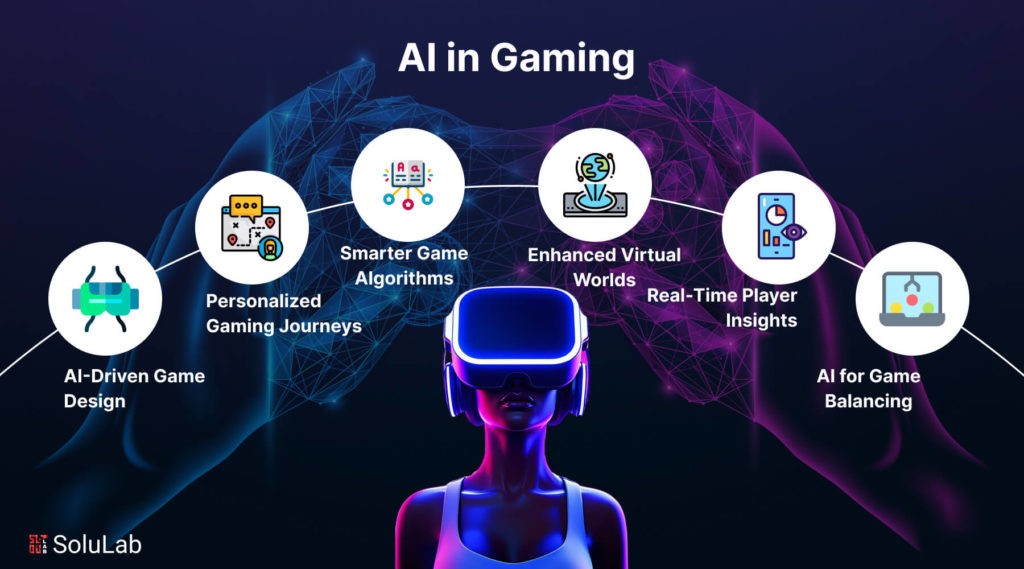
The world of video games is undergoing a profound transformation, driven by the rapid integration of Artificial Intelligence. Projections indicate a colossal surge in the global AI in Gaming Market, expected to climb from $18 billion in 2026 to a staggering $155 billion by 2034. This impressive trajectory, boasting a compound annual growth rate of 30%, underscores AI's pivotal role in shaping the future of interactive entertainment.
Enhancing the Player Experience
At its core, AI in gaming is about elevating gameplay and player immersion. This is achieved through a myriad of applications, including the creation of intelligent non-player characters (NPCs) with complex behaviors, adaptive difficulty systems that keep players in the zone, and sophisticated recommendation engines that guide players to their next favorite title. Furthermore, AI is instrumental in procedural content generation, allowing for vast and unique game worlds to be created, and in the automated testing and optimization of game mechanics, leading to more polished and engaging final products. The ultimate goal is to foster deeper player engagement and ensure players keep coming back for more.
Market Drivers and Accelerators
The burgeoning global gaming industry, coupled with the widespread adoption of cloud gaming platforms, serves as a significant catalyst for AI integration. Cloud gaming, in particular, democratizes access to high-fidelity games by reducing reliance on expensive hardware. AI plays a crucial role here, optimizing streaming quality, minimizing latency, and personalizing the player’s experience on the fly. As cloud gaming continues its global expansion, AI technologies are becoming indispensable for delivering seamless and captivating gameplay, making them a cornerstone of market expansion.
Navigating the Challenges
Despite the immense potential, the path forward is not without its hurdles. A significant restraint identified is the limited pool of AI talent within many gaming studios. The specialized knowledge required for machine learning, neural networks, and behavioral modeling is in high demand, creating a competitive landscape where smaller developers struggle to secure skilled professionals. This talent gap can impede innovation and the scalable implementation of advanced AI features. While strategic partnerships with tech giants are helping to mitigate this, the scarcity of in-house expertise remains a notable barrier.
The Promise of Personalization
One of the most exciting opportunities presented by AI in gaming lies in the creation of truly personalized gaming experiences. AI algorithms can meticulously tailor gameplay mechanics, narrative progression, and even difficulty levels to individual player preferences and skill sets. Recommendation systems, powered by AI, can offer uncannily accurate suggestions for new games based on a player's history, while adaptive AI can adjust challenges dynamically to maintain optimal player engagement. This level of personalization not only enhances player satisfaction and retention but also opens up new avenues for monetization and deeper player investment.
Addressing Player Concerns
However, the increasing reliance on automated mechanics introduces potential friction. Player resistance to perceived over-automation poses a threat, as gamers may feel that excessive AI control diminishes their agency and creativity, leading to predictable or less engaging experiences. Concerns surrounding the fairness of AI-driven matchmaking and the ethical implications of AI in monetization strategies can also fuel skepticism. A delicate balance between leveraging AI for enhancement and preserving player freedom is paramount to maintaining trust and fostering a positive player community.
The COVID-19 Impact and Future Outlook
The COVID-19 pandemic acted as an accelerant for AI adoption in gaming. With lockdowns driving unprecedented demand for digital entertainment, AI-powered features like matchmaking and personalized content delivery became critical for sustaining player engagement. While production and talent shortages presented short-term challenges, the pandemic underscored the importance of cloud gaming and AI-driven personalization for delivering accessible, immersive experiences. Looking ahead, the action & adventure games segment is poised to lead the market, driven by their inherent complexity and reliance on AI for dynamic storytelling and environments. Concurrently, procedural content generation is expected to see the highest growth rate, promising greater replayability and reduced development costs.
Regional Dynamics
North America is set to maintain its position as the largest market, bolstered by its robust gaming industry infrastructure, substantial investment in AI research, and high adoption rates of cloud gaming. Meanwhile, the Asia Pacific region is anticipated to exhibit the highest compound annual growth rate. This surge is fueled by expanding internet penetration, significant investments in AI gaming startups, and a growing demand for personalized and cloud-based gaming experiences, particularly in countries like China, Japan, and India. These regional trends highlight a global shift towards AI-centric gaming development and consumption.
Source Insight: This report was curated based on original coverage from marketresearch.com.
Explore Kri-Zek
📱 Altered Brilliance App
Download on Google Play · Watch the Trailer
📖 The Power of Gaming
Watch the Video
🤝 Connect With Us
Kri-Zek on LinkedIn · Founder on LinkedIn · Happenstance
📸 Follow Us on Instagram
@krizekster · @krizek.tech · @krizekindia