Badge
Apr 25, 2026
Bridging Worlds Mental Health Professionals' Perspectives on Gaming Interventions
A new study reveals mental health professionals' complex views on gaming. Understanding these insights is key to integrating game-based interventions effectively into mental healthcare.
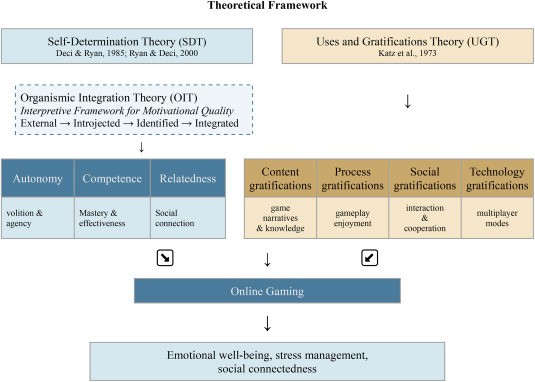
The integration of game-based digital mental health interventions into clinical practice faces a critical bottleneck: the attitudes and perceptions of mental health professionals (MHPs). While the potential of serious games and gamified approaches to enhance engagement, accessibility, and treatment outcomes for various mental health conditions is increasingly recognized, their widespread adoption hinges on clinician buy-in. A recent qualitative cross-sectional study published in JMIR Serious Games delves into these crucial perspectives, uncovering a nuanced landscape of professional opinions that can either foster or hinder innovation.
The research highlights a significant self-client attitude asymmetry. MHPs often perceive their own gaming habits as positive and recreational, a source of relaxation or personal growth. However, when considering their clients, these same gaming activities are frequently viewed through a lens of potential harm or problematic behavior. This divergence in perception suggests a need for MHPs to critically examine their own biases and the underlying reasons for these differing views.
Furthermore, the study identified a pervasive attitudinal ambivalence towards gaming, with MHPs grappling with conflicting frames. Gaming is simultaneously recognized as a potentially harmful technology, contributing to sedentary lifestyles or social isolation, and as a meaningful culture offering social connection, creativity, and complex problem-solving opportunities. This internal tension underscores the complexity of the digital landscape MHPs must navigate.
A key finding is the MHPs' tendency towards a holistic exploration of clients’ gaming. Rather than simply condemning or endorsing gaming, professionals often evaluate clients' engagement within the broader context of their lives, considering its impact on relationships, daily functioning, and overall well-being. This approach, while often rooted in a desire to understand the client's world, also necessitates a deeper understanding of how to leverage gaming constructively.
Delving deeper, post hoc analyses revealed that MHPs anticipate game-based interventions to be approachable, motivating, and complementary to existing treatments. They see particular promise for these interventions in treating children and youth, individuals with strong digital competencies, and those who are particularly withdrawn or hesitant to engage with traditional therapies.
This research underscores that the translation of game-based interventions from research settings to real-world clinical practice is not merely a technical or efficacy challenge; it is deeply intertwined with the perceptions, beliefs, and biases of the clinicians themselves. The current limited adoption of these novel tools suggests that best practices are still emerging, and the path to integration requires careful consideration of the human element.
The study's conclusions offer a clear roadmap for enhancing the implementation of game-based interventions. Clinician education is paramount, needing to build upon existing perceptions while actively addressing misconceptions. This involves clearly differentiating therapeutic game-based interventions from entertainment games, articulating their specific clinical aims and mechanisms of action, and situating them appropriately within clients' broader recovery processes.
Ultimately, by understanding and constructively addressing the nuanced views of mental health professionals, the field can move towards a more integrated and effective use of game-based interventions. Challenging narrow assumptions about target audiences and fostering a clearer understanding of the therapeutic potential of games could unlock significant advancements in mental healthcare delivery, making treatment more engaging, accessible, and effective for a wider range of individuals.
Source Insight: This report was curated based on original coverage from games.jmir.org.
Explore Kri-Zek
📱 Altered Brilliance App
Download on Google Play · Watch the Trailer
📖 The Power of Gaming
Watch the Video
🤝 Connect With Us
Kri-Zek on LinkedIn · Founder on LinkedIn · Happenstance
📸 Follow Us on Instagram
@krizekster · @krizek.tech · @krizekindia