Badge
May 2, 2026
Demystifying Artificial Intelligence The Driving Force Behind Modern Innovation
Explore the fundamental concepts of Artificial Intelligence, from its core principles and how it functions to its widespread applications and profound societal impact.
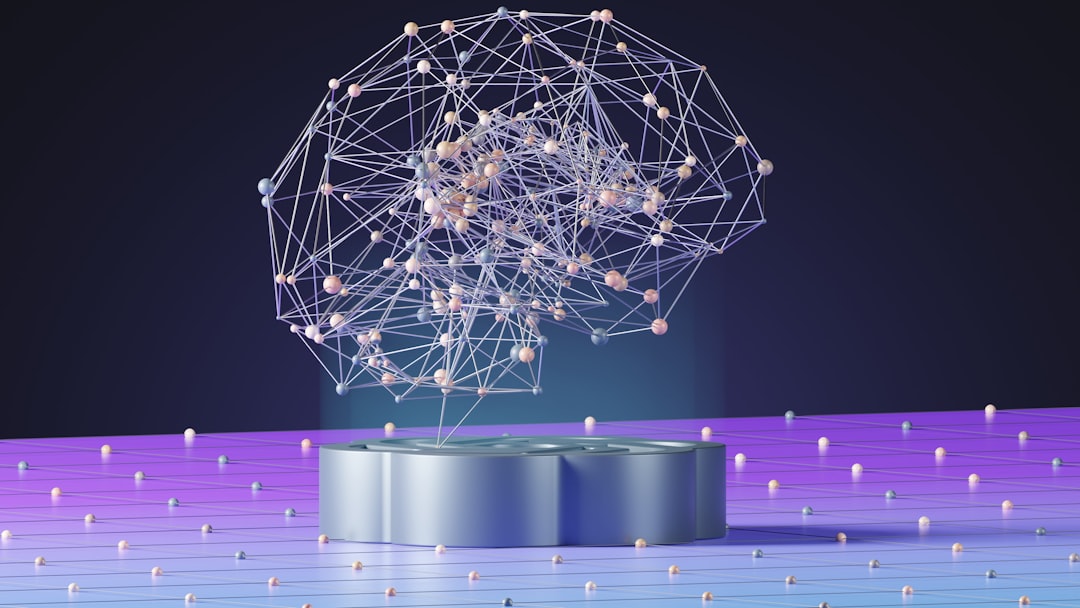
Artificial intelligence (AI) is no longer a figment of science fiction; it's an integral part of our daily lives, powering everything from the uncanny accuracy of streaming service recommendations to the autonomous capabilities of self-driving cars and the intuitive recognition on our smartphones. This transformative technology serves as the bedrock of contemporary innovation, yet its essence often remains elusive. Understanding what AI truly entails is key to grasping its pervasive influence and future potential.
The Core of AI: Simulating Human Intellect
At its heart, artificial intelligence is a sophisticated branch of computer science dedicated to creating intelligent machines. These systems are engineered to perform tasks that traditionally demand human cognitive abilities, such as learning, complex reasoning, and adept problem-solving. The goal is to imbue machines with a capacity for understanding and interacting with the world in ways previously exclusive to humans.
How AI Learns: The Power of Data and Algorithms
AI systems operate not by rigid, pre-programmed instructions for every conceivable scenario, but by learning from extensive datasets. Through the identification of intricate patterns and relationships within this data, AI models can make informed predictions or decisions. This iterative process is akin to providing a computer with a vast library of examples, allowing it to deduce principles and adapt its behavior organically.
Pillars of AI: Machine Learning, Deep Learning, NLP, and Computer Vision
The broad field of AI is underpinned by several critical disciplines. Machine Learning (ML) enables systems to learn from data and improve performance without explicit programming, much like a child learning to identify objects through repeated exposure. Deep Learning (DL), a subset of ML, employs multi-layered neural networks, inspired by the human brain's structure, to tackle highly complex tasks like advanced image and speech recognition. Natural Language Processing (NLP) grants computers the ability to understand, interpret, and generate human language, forming the basis for voice assistants and translation services. Lastly, Computer Vision allows machines to 'see' and interpret visual information, crucial for applications ranging from facial recognition to autonomous navigation.
AI's Spectrum: From Specific Tasks to Theoretical Sentience
Artificial intelligence can be categorized by its capabilities. Artificial Narrow Intelligence (ANI), the only form currently realized, excels at specific, predefined tasks—from playing chess to filtering spam. While incredibly powerful, ANI lacks general reasoning or self-awareness. Theoretical future advancements include Artificial General Intelligence (AGI), which would possess human-like cognitive abilities across a wide array of tasks, and Artificial Superintelligence (ASI), a hypothetical intelligence far surpassing human capabilities in every domain.
AI in Action: Everyday Applications
We encounter AI daily. Navigation applications like Google Maps use AI to optimize routes in real-time. E-commerce platforms leverage AI for personalized product recommendations. Email services employ AI-powered spam filters to keep inboxes clean. Virtual assistants, such as Gemini Live, are sophisticated NLP applications designed to understand and respond to voice commands. Even mundane tasks like extracting text from images via Optical Character Recognition (OCR) are driven by AI, transforming unstructured data into actionable business intelligence.
The Significance of AI: Addressing Global Challenges
Beyond convenience, AI holds immense potential for solving some of the world's most pressing challenges. It is accelerating breakthroughs in medical research, optimizing global supply chains for greater efficiency, and contributing to innovative solutions for climate change. The ability of AI to process and analyze vast quantities of data at speeds unattainable by humans positions it as a critical tool for societal progress.
Navigating the Future: Innovation and Responsibility
As AI technologies continue to evolve, so too do discussions around their ethical implications and potential risks. Ensuring that AI systems are trained on unbiased data and developed with robust safety protocols is paramount, especially as their applications extend into critical areas like finance and law enforcement. The journey of AI is one of continuous innovation, demanding careful consideration of its impact on individuals and society as a whole.
Source Insight: This report was curated based on original coverage from cloud.google.com.
Explore Kri-Zek
📱 Altered Brilliance App
Download on Google Play · Watch the Trailer
📖 The Power of Gaming
Watch the Video
🤝 Connect With Us
Kri-Zek on LinkedIn · Founder on LinkedIn · Happenstance
📸 Follow Us on Instagram
@krizekster · @krizek.tech · @krizekindia