Badge
Apr 18, 2026
Empowering Non-Technical Founders: A Comparative Look at AI-Driven App Development Platforms
For non-technical founders, the dream of building an app is now within reach thanks to AI. This article explores two leading 'vibe coding' platforms, Rocket.
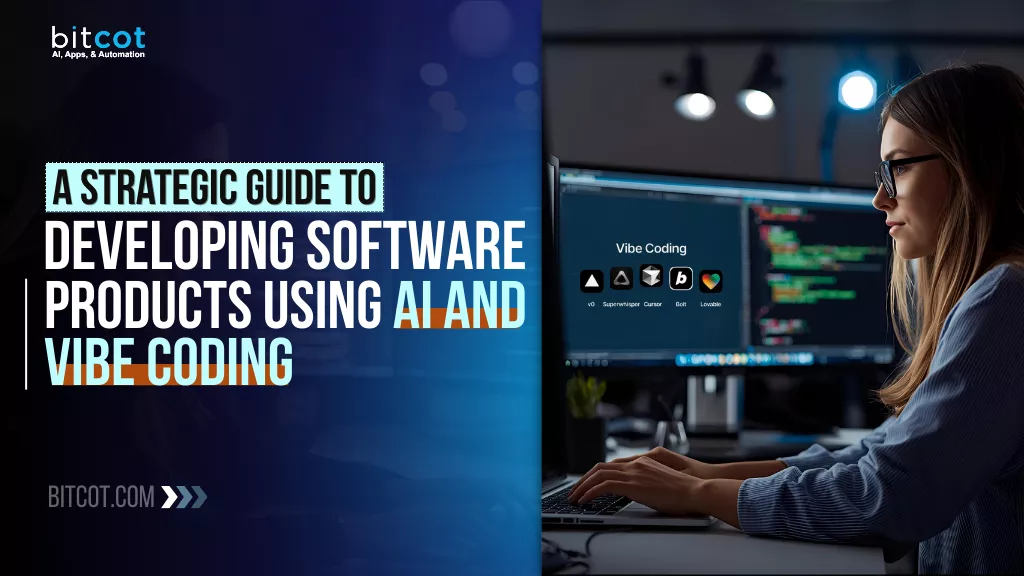
The landscape of software development is rapidly evolving, with 'vibe coding' platforms emerging as a powerful new tool for individuals lacking traditional technical expertise. These platforms leverage artificial intelligence to translate natural language descriptions into functional code, democratizing app creation. For non-technical founders, this shift represents a significant opportunity to bring their innovative ideas to life without the steep learning curve or significant cost of hiring developers. According to recent industry surveys, a substantial portion of non-technical founders are already embracing these AI coding tools for prototyping, highlighting a clear trend towards AI-assisted development.
Two prominent players in this burgeoning field are Rocket.new and Emergent.sh. Both aim to bridge the gap between idea and execution, but they approach the challenge with distinct methodologies. Understanding these differences is crucial for founders seeking the most efficient and effective path to launching their applications. This analysis delves into their core functionalities, feature sets, and overall user experience to determine which platform offers a superior advantage for those navigating the entrepreneurial journey without a coding background.
Rocket.new positions itself as a comprehensive AI-powered solutioning platform designed to streamline the app development process. Its philosophy centers around a simple, iterative loop: describe, build, refine, and ship. The platform boasts rapid adoption, attracting a significant user base and substantial venture capital funding, indicating strong market validation. Notably, a large percentage of its users are focused on building applications with robust backend systems, suggesting its capability extends far beyond basic landing pages.
Emergent, on the other hand, utilizes a more structured approach with specialized AI agents. These agents—Builder, Designer, Quality, and Deploy—work in concert to generate and validate complete web applications. This parallel processing model aims to ensure a thorough and robust development cycle, from initial concept to deployment readiness. The platform is designed to interpret natural language prompts and translate them into functional, production-ready web applications.
When comparing the user experience for non-technical founders, Rocket.new often provides a more intuitive and direct path. Its emphasis on a single prompt to generate full-stack applications, coupled with features like a visual editor for UI components and Figma-to-code conversion, significantly accelerates the prototyping and development phases. The availability of extensive template libraries and built-in version control further enhances its appeal for users who need to move quickly and efficiently.
While Emergent offers a sophisticated, agent-driven development process, it may present a steeper learning curve for users who are completely new to software development concepts. The reliance on distinct AI agents, though powerful, could be less straightforward for founders who prefer a more unified and immediate feedback loop. Potential limitations may arise in areas such as mobile app support or the flexibility of customization compared to platforms designed with a broader, less technical user base in mind.
Rocket.new's strength lies in its holistic approach to enabling non-technical founders. Features like its 'Chat Editor,' which allows app building through plain language conversations, directly address the core need of this demographic. Furthermore, AI suggestions for SEO and UX, along with dedicated support, aim to ensure that the resulting applications are not only functional but also optimized for success in the market. The promise of real code ownership without vendor lock-in also provides crucial peace of mind for entrepreneurs.
In essence, the distinction between these platforms boils down to workflow and user accessibility. Rocket.new appears to prioritize a faster, more direct route from idea to a shippable product, making it particularly attractive for founders who need to validate concepts quickly and bring minimum viable products to market with minimal friction. Emergent's structured, agent-based system offers a robust framework, but may require a greater degree of user engagement with its underlying processes.
The broader trend of 'vibe coding' signals a fundamental shift in how software is created. As AI becomes more sophisticated, platforms like Rocket.new and Emergent are democratizing innovation, allowing a wider range of creative minds to contribute to the digital world. The key for founders is to select the tool that best aligns with their specific needs, technical comfort level, and the urgency of their project goals.
For non-technical founders prioritizing speed, ease of use, and a clear path to production-ready applications, Rocket.new stands out as the more compelling choice. Its integrated features, intuitive interface, and focus on user empowerment make it a powerful ally in the entrepreneurial journey, transforming the daunting task of app development into an achievable reality.
Source Insight: This report was curated based on original coverage from rocket.new.
Explore Kri-Zek
📱 Altered Brilliance App
Download on Google Play · Watch the Trailer
📖 The Power of Gaming
Watch the Video
🤝 Connect With Us
Kri-Zek on LinkedIn · Founder on LinkedIn · Happenstance
📸 Follow Us on Instagram
@krizekster · @krizek.tech · @krizekindia