Badge
May 10, 2026
Esports Market Poised for Explosive Growth to $17.42 Billion
The global esports market is on a rapid ascent, projected to reach $17.42 billion by 2031.
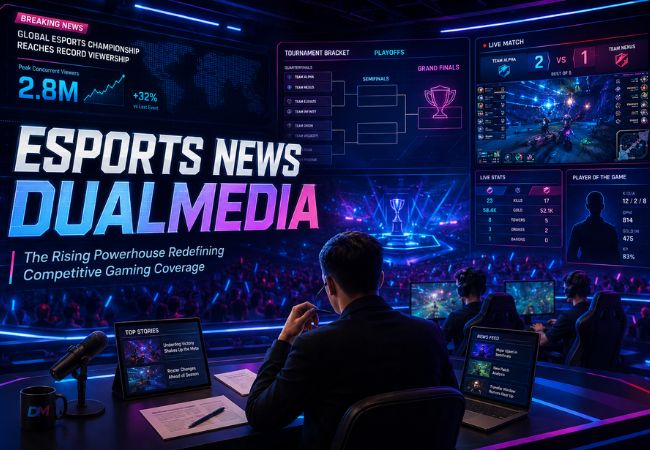
The global esports arena is experiencing a transformative period, with projections indicating a monumental leap from USD 3.64 billion in 2025 to a staggering USD 17.42 billion by 2031. This impressive trajectory, marked by a compound annual growth rate of 29.81%, is fueled by a confluence of factors including expanding internet accessibility, the widespread embrace of video games as a mainstream form of entertainment, and continuous advancements in streaming technology and hardware capabilities. The professionalization of competitive gaming, underscored by substantial prize pools and burgeoning leagues, is not only attracting top-tier talent but also significant institutional investment.
Surge in Viewership and Mainstream Integration
The sheer scale of viewership is a primary engine for esports' exponential growth. Premier competitions are now captivating hundreds of millions of viewers worldwide, creating an immersive spectator experience that rivals traditional sports. For instance, the 2025 Esports World Cup alone drew an astonishing 750 million global viewers, accumulating 350 million hours of watch time. This massive engagement translates directly into lucrative opportunities for media rights, sponsorships, and advertising, thereby injecting further capital into the ecosystem and enhancing production values.
Diversified Revenue Streams and Investment
Beyond viewership, the industry's financial robustness is bolstered by increasingly diverse revenue streams and substantial investment from a wide array of stakeholders. Major players, including non-endemic sponsors, game developers, and dedicated esports organizations, are pouring resources into event production, player compensation, and tournament prize money. The Esports World Cup's 2026 edition, boasting an unprecedented $75 million prize pool, exemplifies this trend, incentivizing elite performance and escalating competitive intensity. This financial influx cultivates innovation and establishes a highly professional and attractive landscape for both players and investors.
The Ascendancy of Mobile Esports
A significant trend reshaping the competitive gaming landscape is the dramatic rise of mobile esports. The ubiquitous nature of smartphones has democratized access to competitive gaming, fostering massive participation and nurturing vibrant regional communities, particularly in developing economies where mobile internet penetration often surpasses traditional platforms. This accessibility not only broadens the potential player base but also introduces new audiences, driving growth in a segment distinct from PC or console-centric esports. The PUBG Mobile Global Championship 2024's impressive $3,000,000 prize pool highlights the professionalization and substantial financial backing now characteristic of mobile competitive gaming.
Overcoming Regulatory Fragmentation
Despite its robust growth, the esports industry faces a significant challenge in the form of fragmented regulatory frameworks across different nations. The absence of standardized governance complicates the organization of international tournaments, player transfers, and the consistent enforcement of integrity protocols. This regulatory patchwork can impede widespread commercial progress and the long-term stability of the global esports environment. While tournaments distributed over $270 million in prize pools in 2025, logistical and legal hurdles stemming from these disparate regulations can stifle capital inflow and limit global partnerships.
Mainstream Media's Growing Embrace
The integration of esports with mainstream media marks a pivotal evolution, transitioning competitive gaming from niche online streaming to broader television broadcasts. This shift signifies a growing acknowledgment and adoption of esports by conventional media entities, increasing visibility among demographics not typically engaged with gaming-specific platforms. Such crossover enhances the credibility of esports and expands its economic reach beyond its core fanbase, attracting new sponsors and advertisers eager to connect with its growing viewership. The BLAST Premier World Final 2024's broadcast in over 150 regions demonstrates a strategic push towards larger, global media footprints.
Key Players Driving Innovation
Major technology and gaming corporations are at the forefront of this industry expansion. Companies such as Tencent Holdings Ltd, Riot Games, Inc, Activision Blizzard, Inc, Electronic Arts Inc, Epic Games, Inc, Valve Corporation, Sony Interactive Entertainment LLC, and Microsoft Corp are instrumental in developing the games, platforms, and infrastructure that underpin the esports ecosystem. Their continued investment and innovation are crucial for sustaining the industry's rapid growth and expanding its global reach.
Future Outlook and Opportunities
The confluence of surging viewership, mobile gaming's accessibility, mainstream media integration, and increasing financial investment paints a promising picture for the future of esports. While regulatory challenges remain, the industry's inherent dynamism and its ability to capture the attention of a global audience suggest continued expansion and innovation. The ongoing professionalization and the development of diverse revenue streams will be critical in navigating these complexities and unlocking the full potential of competitive gaming as a dominant global entertainment force.
Source Insight: This report was curated based on original coverage from globenewswire.com.
Explore Kri-Zek
📱 Altered Brilliance App
Download on Google Play · Watch the Trailer
📖 The Power of Gaming
Watch the Video
🤝 Connect With Us
Kri-Zek on LinkedIn · Founder on LinkedIn · Happenstance
📸 Follow Us on Instagram
@krizekster · @krizek.tech · @krizekindia