Badge
Apr 20, 2026
Esports Spectatorship Fosters Wellbeing Through Immersive Experiences
New research from the University of Stirling reveals that watching esports can significantly boost psychological wellbeing.
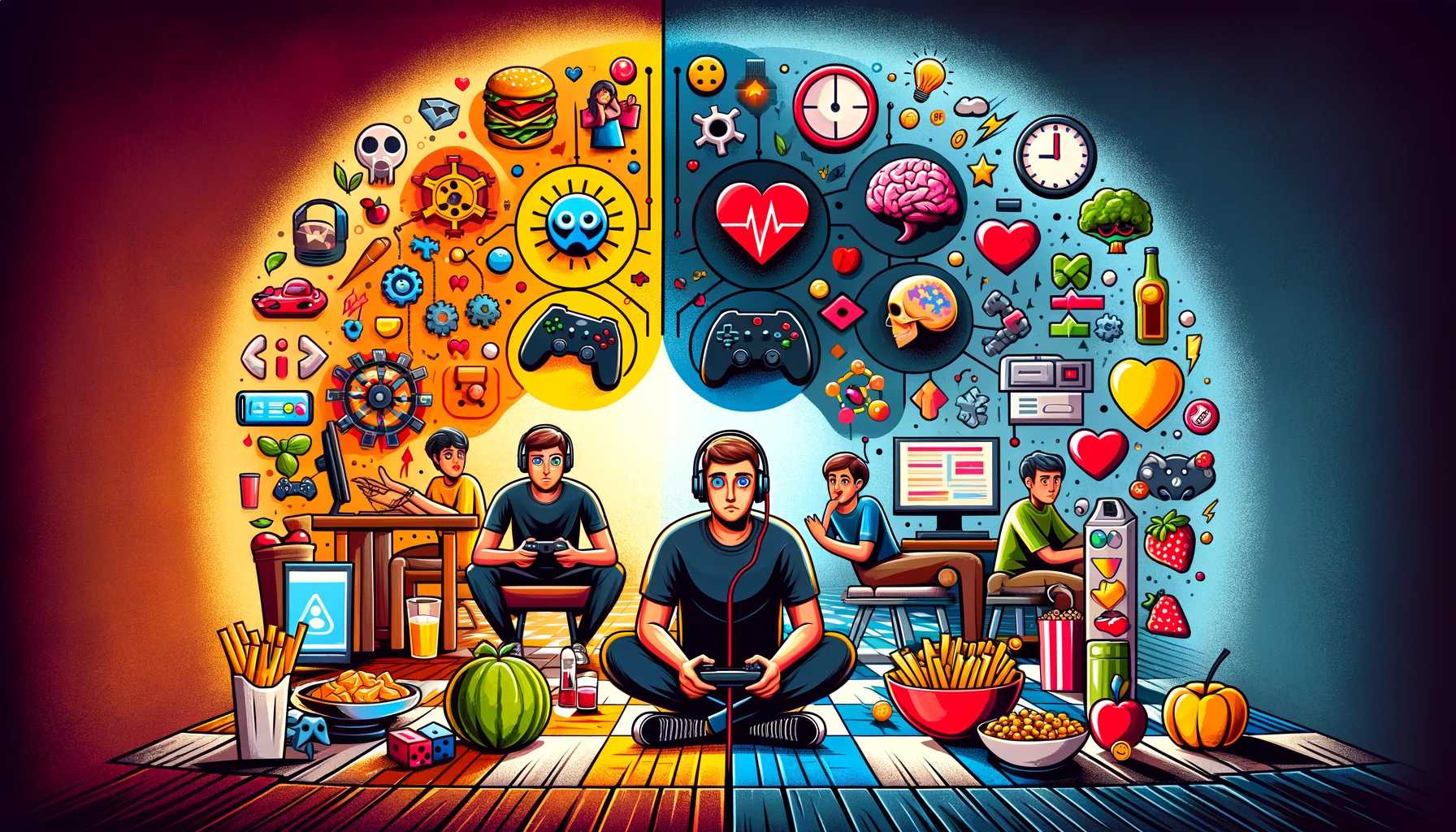
A groundbreaking study from the University of Stirling is shedding new light on the positive psychological impacts of esports spectatorship. Moving beyond the focus on competitive play itself, researchers have discovered that engaging with esports as a viewer can significantly contribute to personal wellbeing, particularly when the experience achieves a state of deep immersion, often referred to as 'flow'.
The Psychology of Flow in Esports
This immersive state, characterized by intense focus, enjoyment, and a loss of track of time, is central to the study's findings. Pioneered by psychologist Mihaly Csikszentmihalyi, the concept of flow explains how engagement with an activity can lead to profound satisfaction. The University of Stirling's research, which surveyed 400 esports fans in South Korea, indicates that this state is a key mediator between motivations for watching and the resulting psychological benefits.
Motivation and its Impact on Wellbeing
The research meticulously examined various motivations driving esports viewership, including the appreciation of player skill, entertainment value, and social interaction. While simply admiring professional gameplay does not directly enhance wellbeing, it can do so when it cultivates a state of flow. This suggests that the analytical or learning aspect of watching high-level play only translates into positive psychological outcomes when the viewer becomes fully absorbed in the action.
Entertainment and Social Connections
Conversely, motivations rooted in entertainment—such as the drama, novelty, and escapism offered by esports—were found to directly improve subjective wellbeing for viewers, regardless of their viewing environment. This highlights the inherent escapist and emotionally engaging nature of esports content. Social motivations also proved significant, though their pathway to wellbeing differed across viewing contexts. For online viewers, direct social interaction and community engagement were linked to better mental states, while for in-person attendees, social connections fostered deeper immersion.
Onsite vs. Online: A Tale of Two Experiences
The study uniquely compared fans attending official, in-person tournaments with those watching unofficial online streams. While the core psychological pathways from motivation to flow to wellbeing were similar in both settings, key differences emerged. Entertainment motivations more strongly predicted flow at live events, suggesting that the sensory richness of onsite experiences amplifies immersion. However, the overall positive psychological outcomes from the fun aspects of esports were consistent across both platforms, indicating a robust benefit regardless of how one chooses to watch.
Fostering Wellbeing Through Immersive Content
Dr. Sungkyung Kim, the lead researcher, emphasized that esports offers more than just competition; it provides avenues for meaningful psychological benefits. The experience of flow is crucial for transforming an appreciation of skill into tangible wellbeing improvements. Similarly, Dr. Hee Jung Hong noted the encouraging finding that the sheer enjoyment derived from esports directly enhances mood, underscoring the entertainment value's universal impact.
Practical Implications for the Esports Ecosystem
These findings present significant opportunities for the esports industry. Organizers can focus on creating sensory-rich environments at live events to maximize spectator immersion. Streaming platforms might develop features that better showcase player skill and encourage more structured viewing experiences, thereby facilitating flow. Content creators and broadcasters are advised to design coverage that sustains viewer attention, particularly during high-level competitive play.
Addressing the Spectator Gap
Traditional sports research has extensively covered spectatorship, but the focus in esports has largely been on players. This study helps fill a crucial gap by exploring how passive spectatorship can actively contribute to positive psychological states. It also acknowledges the unique dual spectatorship model prevalent in esports, where fans fluidly navigate between professional competitions and community-driven streaming content, underscoring the multifaceted nature of engagement in the digital sports landscape.
Source Insight: This report was curated based on original coverage from stir.ac.uk.
Explore Kri-Zek
📱 Altered Brilliance App
Download on Google Play · Watch the Trailer
📖 The Power of Gaming
Watch the Video
🤝 Connect With Us
Kri-Zek on LinkedIn · Founder on LinkedIn · Happenstance
📸 Follow Us on Instagram
@krizekster · @krizek.tech · @krizekindia