Badge
May 11, 2026
Gaming Addiction Loneliness and Activity Levels Intertwined in Adolescents
New research reveals a complex, cyclical relationship between internet gaming disorder symptoms, loneliness, and physical activity among Chinese adolescents.
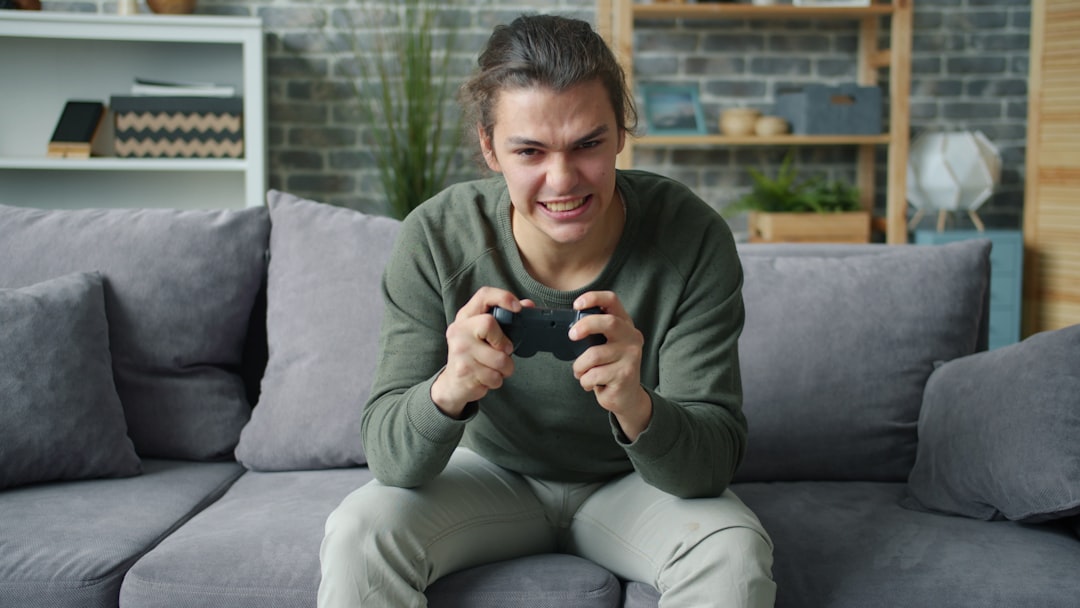
A recent longitudinal study published in JMIR Serious Games delves into the intricate and often overlooked connections between Internet Gaming Disorder (IGD) symptoms, physical activity (PA), and loneliness among adolescent gamers in China. This research moves beyond simple correlations, employing a sophisticated three-wave prospective cohort design to uncover the reciprocal dynamics at play within individuals over time.
The study, which tracked 1332 adolescents over 18 months, utilized a Random Intercept Cross-Lagged Panel Model (RI-CLPM). This advanced statistical approach allows researchers to differentiate between stable, individual differences and actual within-person changes, offering a more nuanced understanding of how these factors influence each other in real-time.
The Interconnected Cycle
The findings paint a compelling picture of a mutually reinforcing cycle. The research indicates that higher levels of physical activity are associated with subsequent reductions in both loneliness and IGD symptoms. Conversely, increased feelings of loneliness and more severe IGD symptoms predict a later decrease in physical activity. This suggests that these elements are not isolated issues but are deeply intertwined in the daily lives of young gamers.
Loneliness Fuels Gaming, Gaming Fuels Loneliness
Crucially, the study highlights a significant bidirectional relationship between loneliness and IGD symptoms. Increased loneliness predicts a rise in subsequent IGD symptoms, while a surge in IGD symptoms, in turn, leads to greater feelings of loneliness. This creates a detrimental feedback loop, where gaming may be used as a coping mechanism for loneliness, only to exacerbate it further in the long run.
Gender Differences Emerge
One of the most significant contributions of this study is its illumination of gender-specific patterns. While the reciprocal links are present for both boys and girls, the research found that the protective effect of physical activity on loneliness, and the prospective effect of loneliness on IGD symptoms, were stronger among girls than boys. In boys, physical activity still showed a predictive effect on loneliness, and loneliness on IGD symptoms, but these connections were less pronounced.
Implications for Intervention
These findings have profound implications for prevention and intervention strategies aimed at addressing problematic gaming behaviors. The study underscores the importance of a holistic approach that simultaneously targets physical activity and loneliness reduction. Focusing on just one aspect is unlikely to be as effective as a combined strategy.
Beyond Cross-Sectional Views
By moving beyond the limitations of cross-sectional studies, which capture only a snapshot in time, this research provides a clearer, dynamic view of adolescent well-being. The RI-CLPM employed allows for a deeper understanding of how daily behaviors and emotional states interact and evolve, offering valuable insights for mental health professionals and educators.
A Public Health Concern
Given the widespread prevalence of gaming and the critical developmental stage of adolescence, understanding these dynamics is paramount. The study reinforces that IGD symptoms are not merely a matter of preference but a complex issue with significant behavioral, emotional, and social dimensions that require targeted, evidence-based interventions.
Source Insight: This report was curated based on original coverage from games.jmir.org.
Explore Kri-Zek
📱 Altered Brilliance App
Download on Google Play · Watch the Trailer
📖 The Power of Gaming
Watch the Video
🤝 Connect With Us
Kri-Zek on LinkedIn · Founder on LinkedIn · Happenstance
📸 Follow Us on Instagram
@krizekster · @krizek.tech · @krizekindia