Badge
Apr 2, 2026
Gaming Communities Show Promise in Alleviating Adult Loneliness and Improving Mental Well-being
A recent study reveals that professionally facilitated online gaming communities can significantly reduce loneliness, depression, and anxiety in adult gamers.
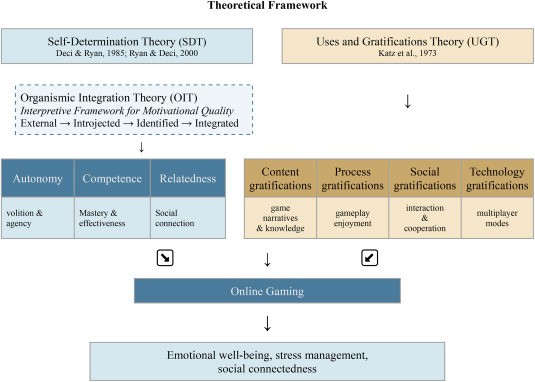
In an era where digital connections often supplement or even replace face-to-face interactions, the pervasive issue of loneliness among adults has become a significant concern. Traditional interventions, while valuable, may not always resonate with the vast digital-native population. Enter the realm of gaming, a space already fostering vibrant communities, which is now being explored as a novel therapeutic environment. A recent longitudinal observational study published in JMIR Formative Research investigated the efficacy of a unique intervention designed to combat loneliness and improve mental well-being in adult gamers.
A New Frontier in Digital Therapeutics
The study focused on a gaming therapeutics community hosted on Discord, a platform known for its robust social features. This intervention was more than just casual gaming; it meticulously combined professionally facilitated group sessions, engagement with commercial video games, and targeted skills-focused workshops. The aim was to create a structured yet engaging environment where adults who already find solace and connection in gaming could receive support for their psychological health.
Measuring the Impact on Mental Health
The research adopted a longitudinal approach, tracking participants over 60 days. The core objective was to assess the feasibility of this health-supporting gaming community and to quantify its impact on key mental health indicators. Participants completed standardized assessments measuring depression, anxiety, general psychological well-being, and psychological flexibility at baseline, 30 days, and 60 days. This rigorous methodology allowed researchers to observe changes over time and to identify distinct patterns of recovery.
Quantifiable Improvements in Well-being
The results painted a promising picture. Across the board, participants experienced significant positive shifts. Mean scores for depressive symptoms, measured by the PHQ-9, saw a medium-sized reduction, indicating a notable decrease in the severity of depression. Similarly, anxiety symptoms, assessed using the GAD-7 scale, also showed medium-sized reductions. Beyond symptom alleviation, the intervention fostered improvements in broader psychological states. Scores on the World Health Organization-5 Well-Being Index and the Psychological Flexibility Scale, while showing smaller increases, still indicated a positive upward trend in overall well-being and the capacity to adapt to challenging circumstances.
Uncovering Distinct Recovery Trajectories
Recognizing that individuals respond differently to interventions, the study employed latent growth mixture modeling to identify distinct depressive-symptom trajectories. This analysis revealed three primary groups: those with consistently low depressive symptoms, a group experiencing chronic depressive symptoms, and a crucial group who showed significant improvement over the 60 days. This granular understanding is vital for tailoring future interventions and for identifying those most in need of targeted support.
Identifying Factors Influencing Improvement
Further analysis delved into predictors of these trajectories, particularly among individuals with moderate-to-severe baseline depression. Interestingly, the study found that gender identity played a role, with participants identifying with genders other than woman having lower odds of belonging to the 'Improvers' group compared to the 'Chronic' group. Post hoc analyses highlighted that nonbinary participants, specifically, had lower odds of improvement compared to women. This finding underscores the importance of considering diverse experiences within intervention groups and points to potential areas for refinement.
Feasibility and Engagement
Beyond the direct mental health outcomes, the study confirmed the feasibility of delivering such an intervention within an online gaming context. The diverse sample of adult gamers who self-enrolled demonstrated that this approach can effectively engage individuals who might be less inclined towards traditional mental health services. The active participation and completion rates, even among those who finished the 60-day assessment, suggest that the gaming-based community model is both acceptable and sustainable.
Future Directions and Scalability
The findings provide robust support for the continued development and evaluation of health-supporting gaming communities. The study suggests that these environments are not only feasible but can serve as effective platforms for reducing psychological distress and enhancing well-being. As the digital landscape continues to evolve, interventions like this offer a scalable and potentially more accessible pathway to mental health support, particularly for populations that find community and engagement within online gaming spaces. Further controlled trials are warranted to solidify these promising results.
Source Insight: This report was curated based on original coverage from pmc.ncbi.nlm.nih.gov.
Explore Kri-Zek
📱 Altered Brilliance App
Download on Google Play · Watch the Trailer
📖 The Power of Gaming
Watch the Video
🤝 Connect With Us
Kri-Zek on LinkedIn · Founder on LinkedIn · Happenstance
📸 Follow Us on Instagram
@krizekster · @krizek.tech · @krizekindia