Badge
Mar 25, 2026
Gaming's Cognitive Edge Robustness Examined in Adulthood
New research explores the link between video gaming and cognitive function in adults, revealing that while gamers often outperform non-gamers, pre-existing cognitive abilities play a significant role.
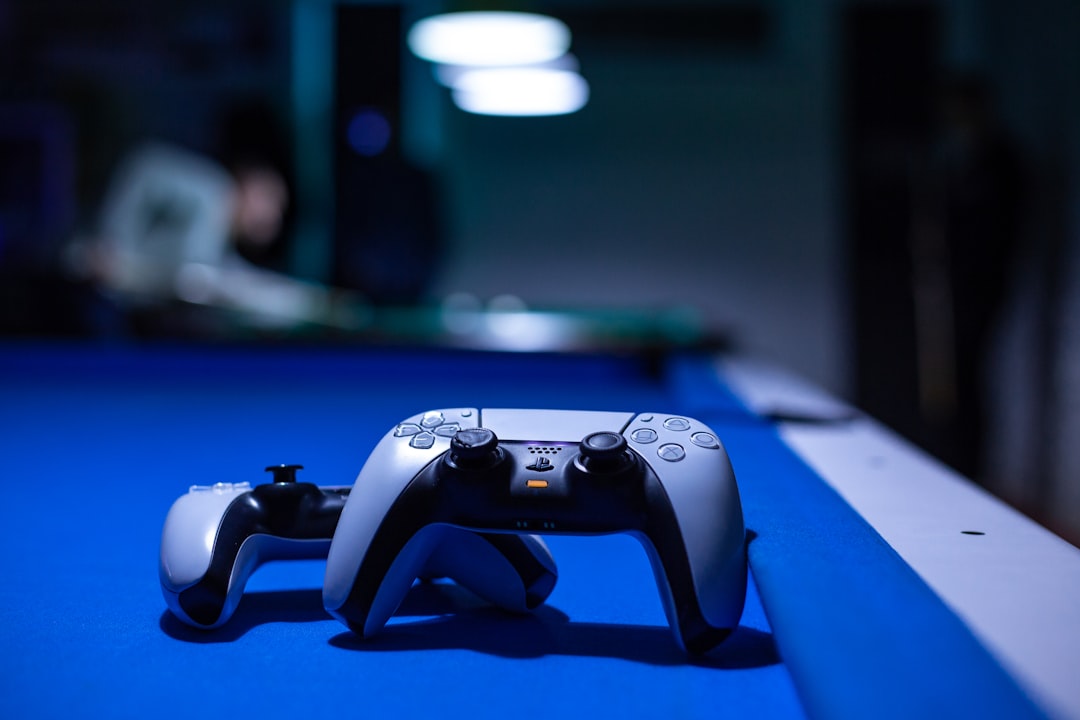
The vibrant world of video gaming, now a global phenomenon projected to encompass over 3.6 billion players by 2027, continues to be a subject of intense scientific scrutiny. Beyond its entertainment value, research has increasingly focused on the potential cognitive benefits associated with playing video games. While a general consensus suggests that gamers, particularly those engaging with action-based titles, often exhibit enhanced cognitive performance, a recent study delves deeper into the nuances of this relationship, examining its persistence and origins in adulthood.
The Gaming-Cognition Association: A Deeper Look
The study, conducted using data from the Colorado Adoption/Twin Study of Lifespan behavioral development and cognitive aging (CATSLife), sought to determine whether the cognitive advantages observed in adult gamers were truly a result of their gaming habits or if they could be attributed to pre-existing cognitive differences. This is a critical distinction, as it addresses the possibility of 'selection effects' – where individuals with naturally higher cognitive abilities are drawn to gaming, rather than gaming itself being the sole cause of the enhancement.
Unpacking the Data: Gamers vs. Non-Gamers
Analyzing a sample of 1241 adults aged 28-51, the research compared the cognitive performance of recreational gamers against non-gamers across key areas such as processing speed, spatial reasoning, and working memory. The findings largely echoed previous research, indicating that gamers, on average, demonstrated significantly better performance on most cognitive tasks compared to their non-gaming counterparts. The effect sizes, while modest (Cohen’s d ranging from 0.17 to 0.25), still point towards a discernible advantage.
The Influence of Game Genre
The study also categorized gamers based on their preferred gameplay mechanics. The majority of participants identified as playing exclusively puzzle/strategy/life simulation games (53.0%), with a substantial portion preferring action-type games (33.1%), and a smaller group engaging with both. While there was an initial observation of differences across cognitive tasks, the evidence for a strong, differential impact based on specific gameplay mechanics was limited, suggesting that the act of engaging with games, in general, might be the primary driver of cognitive engagement.
Addressing Selection Effects
A key finding of the research emerges when accounting for adolescent cognitive functioning. After adjusting for participants' IQ levels in their adolescent years, the cognitive advantages observed in adult gamers diminished by over 35%. This strongly supports the existence of selection effects, implying that individuals with higher baseline cognitive abilities might be more inclined to engage in gaming. However, it's crucial to note that the association between gaming and spatial performance remained robust even after this adjustment, suggesting a unique relationship between certain game types and this cognitive domain.
Adolescent IQ and Game Preference
Further investigation into the selection effect revealed that adolescent IQ was a significant predictor of a preference for puzzle/strategy/life simulation games. Curiously, this correlation did not extend to action-type games, indicating that different cognitive profiles might influence choices across various gaming genres. This suggests that the appeal of different games may not be universally driven by a single cognitive factor.
Implications for Cognitive Health
While the study underscores the role of pre-existing cognitive differences, it does not negate the potential benefits of gaming. The fact that cognitive advantages persist, particularly in spatial abilities, even after controlling for early-life cognitive function, suggests that gaming remains a cognitively engaging lifestyle behavior. The researchers propose that playing video games, irrespective of specific mechanics or genres, can contribute to cognitive well-being and potentially aid in cognitive preservation over time.
A New Frontier in Wellness
As the gaming landscape continues to expand and diversify, this research offers valuable insights for understanding the complex interplay between our digital pastimes and our cognitive present. It highlights that while gaming might not be a universal cognitive enhancer for everyone, it offers a compelling avenue for cognitive engagement, especially for those seeking to maintain or even improve certain mental faculties throughout adulthood. The findings encourage a more nuanced view of gaming's impact, moving beyond simple correlations to understand the underlying mechanisms.
Source Insight: This report was curated based on original coverage from link.springer.com.
Explore Kri-Zek
📱 Altered Brilliance App
Download on Google Play · Watch the Trailer
📖 The Power of Gaming
Watch the Video
🤝 Connect With Us
Kri-Zek on LinkedIn · Founder on LinkedIn · Happenstance
📸 Follow Us on Instagram
@krizekster · @krizek.tech · @krizekindia