Badge
Apr 7, 2026
Gaming's Evolving Landscape: New Milestones in Racing, Esports, and Global Appeal
Discover how Ubisoft's NASCAR collaboration signals a major shift in racing games, while Blizzard revives classic esports. We also explore the growing global impact of baseball games.
The gaming industry is in a constant state of evolution, marked by significant collaborations and the strategic expansion of established franchises into new territories. Ubisoft's recent integration of NASCAR into The Crew: Motorfest represents a particularly noteworthy development, described by the game's creative director as a "major milestone." This partnership signifies more than just adding vehicles; it's about tapping into the vast, passionate fanbase of a cultural phenomenon like NASCAR and bringing its essence into the digital realm. The inclusion of NASCAR stock cars, a dedicated track environment, and integration with user-generated content tools underscores a commitment to authentic immersion, while the creation of an original course aligned with the game's Hawaiian setting shows a creative approach to blending real-world brands with virtual experiences.
This move by Ubisoft is a clear indicator of the broader trend where game developers seek to broaden their appeal by partnering with recognizable, non-endemic brands. For NASCAR, this collaboration is a strategic play to engage a younger demographic and extend its reach beyond traditional motorsport enthusiasts, leveraging the immense player base of a popular open-world racing game. The success of such integrations can pave the way for deeper, more meaningful connections between sports organizations and the gaming world, potentially influencing how other sports properties approach digital engagement.
Beyond the roar of engines, the esports scene is also witnessing exciting developments. Blizzard Entertainment's decision to host a multi-game classic competition at BlizzCon, featuring legendary titles like StarCraft and Warcraft III, is a welcome initiative. By bringing back these foundational esports games and enlisting respected personalities like Nick "Tasteless" Plott and Dan "Artosis" Stemkoski to captain teams, Blizzard is not only celebrating its rich history but also potentially reigniting interest in these beloved titles. This format, reminiscent of relay races, offers a unique spectacle that can appeal to both nostalgic fans and newer audiences curious about the origins of modern esports.
Such events highlight the enduring appeal of classic competitive gaming and the strategic value of esports within major gaming conventions. It's a move that could inspire other developers to create similar legacy-focused tournaments, reinforcing the idea that the history of gaming holds significant cultural and commercial value. The "official sport of South Korea" once being StarCraft is a testament to the profound impact these games have had, and Blizzard's Classic Cup aims to capture some of that magic once again.
On the international front, the influence of star athletes on game popularity is becoming increasingly evident. The surge in interest surrounding MLB games in Japan, particularly MLB: The Show 26, is a prime example. The "Shohei Ohtani" effect, coupled with the heroic performance of his teammate Yoshinobu Yamamoto in the World Series, has demonstrably boosted engagement with the baseball simulation game in Japan. While console gaming in Japan traditionally lags behind mobile, data suggests a noticeable uptick in monthly active users for MLB: The Show 22 following Ohtani's move to the Dodgers, indicating a direct correlation between real-world sports superstardom and virtual gaming interest.
However, it's crucial to note the nuances of global gaming markets. While Ohtani's presence clearly made an impact, the overall engagement figures for MLB: The Show remain predominantly driven by the United States market. Similarly, data analysis did not show a year-over-year bump in Japanese MAU for MLB: The Show 25 linked to Yamamoto's debut. This underscores that while individual athlete impact can be significant, it often amplifies existing trends rather than creating entirely new ones on a global scale, especially in markets with distinct gaming preferences.
These diverse developments—from a major racing franchise embracing a cultural icon like NASCAR to Blizzard reviving its esports legacy and the palpable influence of baseball stars on international game sales—collectively paint a picture of a dynamic and interconnected gaming industry. The trend leans towards deeper brand integration, the celebration of gaming heritage, and the undeniable power of real-world sporting narratives to captivate virtual audiences.
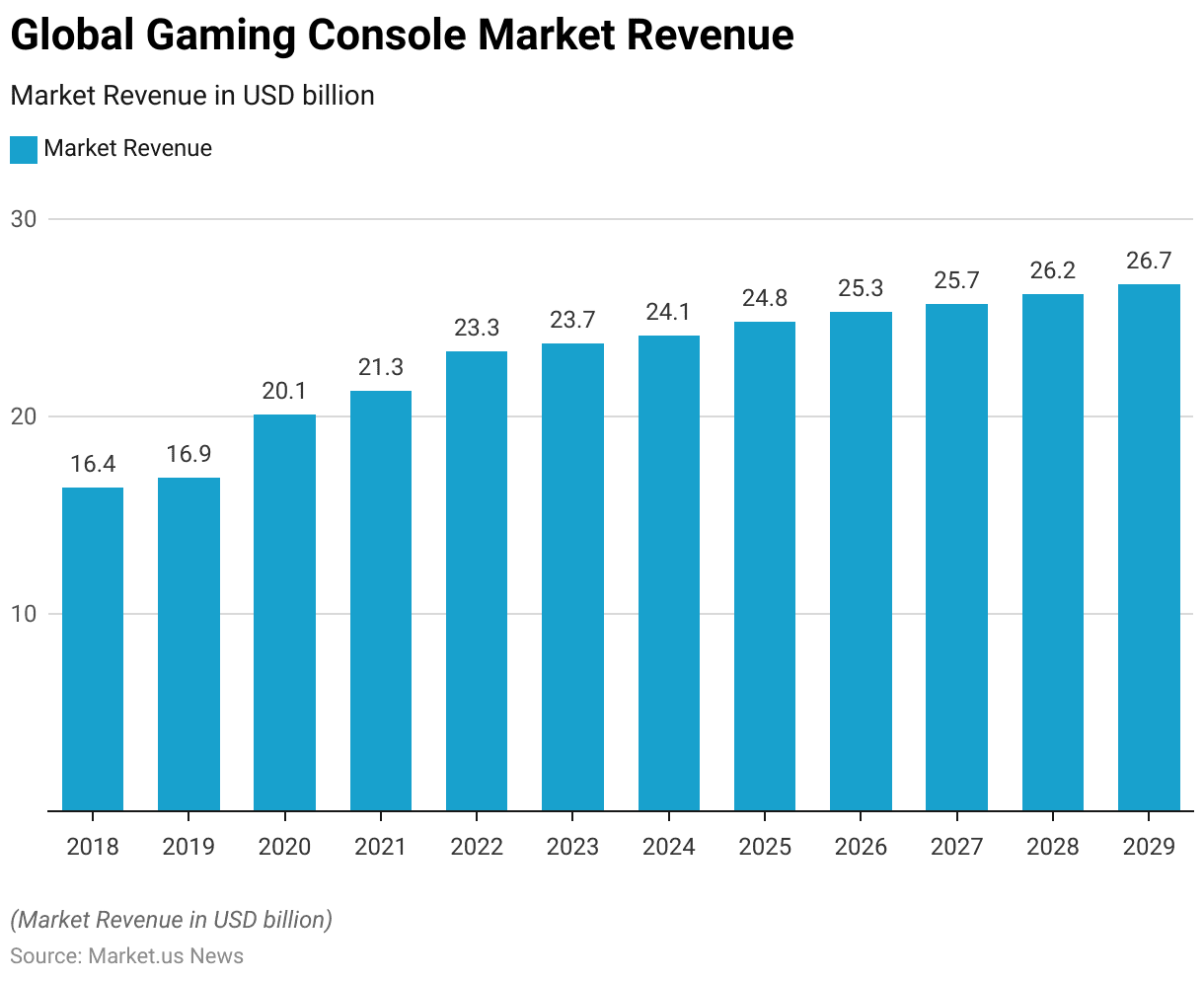
As the gaming market continues its projected growth towards significant revenue by 2028, these strategic moves by publishers like Ubisoft and Blizzard, alongside the global appeal of sports simulations, will undoubtedly shape the future of interactive entertainment. The constant pursuit of new audiences, the cultivation of existing communities, and the seamless blending of sport and play are becoming hallmarks of success in this ever-expanding digital arena.
Source Insight: This report was curated based on original coverage from sportsbusinessjournal.com.
Explore Kri-Zek
📱 Altered Brilliance App
Download on Google Play · Watch the Trailer
📖 The Power of Gaming
Watch the Video
🤝 Connect With Us
Kri-Zek on LinkedIn · Founder on LinkedIn · Happenstance
📸 Follow Us on Instagram
@krizekster · @krizek.tech · @krizekindia