Badge
Mar 20, 2026
Immersive Heritage VR Achieves Deeper Engagement Through Task-Technology Synergy
Discover how matching virtual reality experiences to user tasks and leveraging emotional motivation, like joy and control, significantly boosts immersion and engagement with cultural heritage.
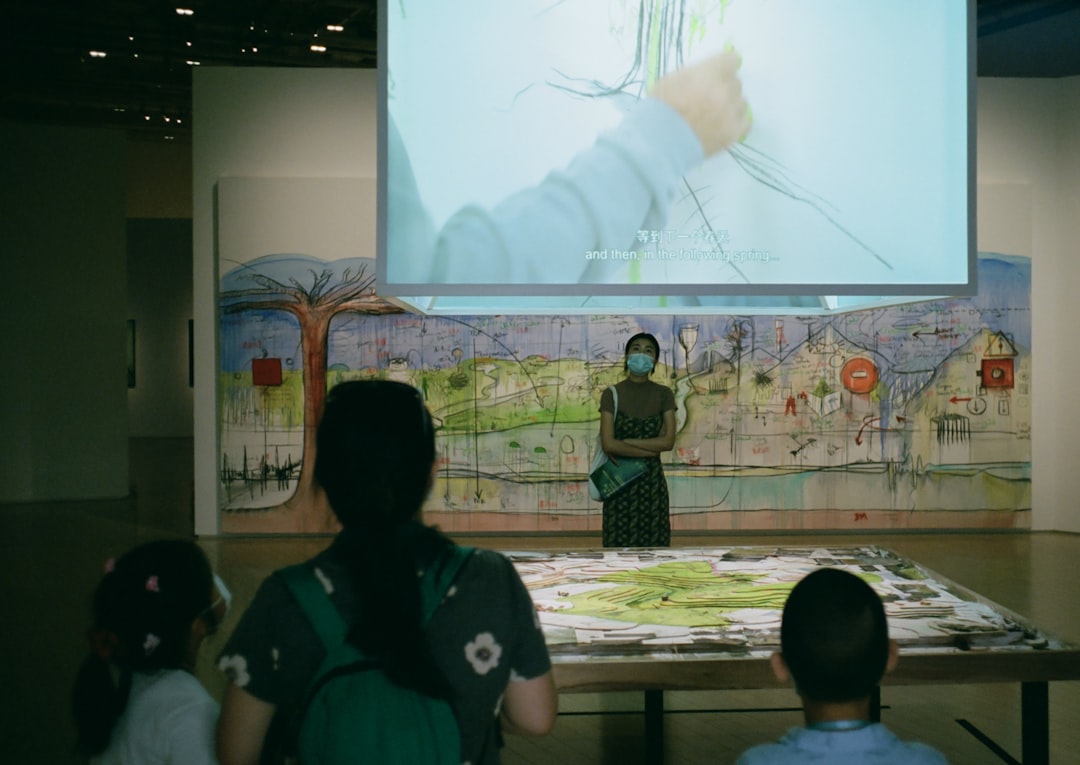
The digital realm is revolutionizing how we connect with our past, and virtual reality (VR) stands at the forefront of this transformation. A recent study published in npj Heritage Science delves into the science behind creating truly engaging VR experiences for Intangible Cultural Heritage (ICH), moving beyond mere technological novelty to explore the deeper psychological drivers of immersion and sustained user interest.
The Power of Fit: Task-Technology Alignment
The research highlights a critical concept: Task-Technology Fit (TTF). This principle suggests that technology is most effective when it aligns perfectly with the tasks it's designed to support. In the context of VR and cultural heritage, this means that the VR experience itself must be carefully crafted to match what users are trying to achieve, whether that's learning, exploring, or interacting with historical artifacts and practices. When this fit is strong, users are more likely to feel deeply immersed.
Beyond Functionality: The Hedonic Motivation Engine
While TTF addresses the practical alignment, the study also integrates the Hedonic-Motivation System Adoption Model (HMSAM). This model emphasizes the role of emotional and experiential aspects in driving user engagement. For ICH VR experiences, this translates to fostering feelings of joy and control within the virtual environment. These hedonic factors, fueled by a positive user experience that is both easy to use and enjoyable, emerge as powerful predictors of immersion and the desire to continue engaging with the VR content.
VR Dunhuang: A Case Study in Immersive Heritage
The study's findings are grounded in an analysis of 387 participants experiencing a VR recreation of the Dunhuang cultural heritage. This real-world application provided valuable data on how these theoretical models translate into practice. The results strongly supported the idea that a seamless integration of task requirements and technological capabilities, coupled with an emphasis on emotional rewards, is key to unlocking deep user engagement.
Bridging Generational Gaps in Cultural Transmission
Intangible Cultural Heritage, representing the practices, expressions, and knowledge passed down through generations, faces significant challenges in the digital age. Traditional methods of dissemination often struggle to resonate with younger generations accustomed to interactive and personalized digital content. VR offers a potent solution by transcending temporal and spatial limitations, allowing users to experience cultural heritage as if they were physically present.
Designing for Sustained Engagement
The research moves beyond simply accepting VR technology (as explored in earlier models like TAM and UTAUT) to understanding the nuanced mechanisms that foster immersion and behavioral intention (the likelihood of continued use). The findings suggest that focusing on aspects that bring joy and provide a sense of agency within the VR experience is more effective than solely optimizing for ease of use or perceived usefulness.
The Future of Heritage in Virtual Worlds
This comprehensive framework, combining TTF and HMSAM, provides both theoretical depth and practical guidance for developers and curators. By carefully designing VR experiences that prioritize the synergy between the user's goals and the technology's capabilities, while also evoking positive emotions, we can create VR heritage applications that are not only engaging but also contribute to the sustainable transmission of cultural heritage to future generations.
Implications for Gamified Cultural Experiences
The emphasis on joy and control has significant implications for the gamification of cultural heritage. By incorporating game-like elements that reward exploration, learning, and interaction, VR experiences can become even more compelling. This approach ensures that cultural education feels less like a chore and more like an adventure, fostering a deeper connection to the heritage being presented.
Source Insight: This report was curated based on original coverage from nature.com.
Explore Kri-Zek
📱 Altered Brilliance App
Download on Google Play · Watch the Trailer
📖 The Power of Gaming
Watch the Video
🤝 Connect With Us
Kri-Zek on LinkedIn · Founder on LinkedIn · Happenstance
📸 Follow Us on Instagram
@krizekster · @krizek.tech · @krizekindia