Badge
Apr 9, 2026
Mobile Gaming Consolidation and Evolution Reshape the Digital Landscape
Mobile gaming's market resilience is driving significant M&A activity and innovation. Explore the latest trends, challenges, and growth drivers shaping this dynamic sector.
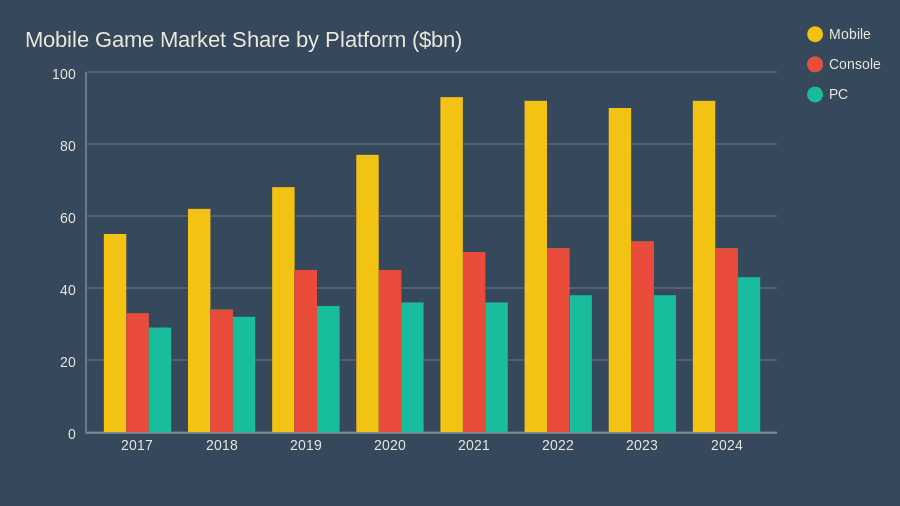
Following a temporary pandemic-induced surge, the global gaming market experienced a slight contraction in 2022 but has rebounded robustly, with projections indicating sustained annual growth through 2028. This resurgence is largely propelled by the mobile gaming sector, which not only accounts for a substantial portion of current revenues but is also expected to capture an even larger share in the coming years. While public listings remain subdued, mergers and acquisitions (M&A) are actively reshaping the industry, reaching pre-pandemic levels of activity.
Mobile Gaming's Dominance and M&A Surge
The mobile gaming segment has proven to be a powerhouse, consistently outperforming the broader gaming market. In 2023, it captured nearly half of all gaming revenues, a figure anticipated to climb significantly by 2026. This strong performance has fueled a wave of consolidation within the often-fragmented mobile gaming landscape. Notably, major acquisitions, such as Sega Sammy's purchase of Rovio Entertainment, highlight a strategic focus on acquiring expertise in live service mobile game operations.
Emerging Global Players and Investment
A significant trend in mobile gaming M&A is the increasing influence of Middle Eastern investors. Driven by a strategic imperative for revenue diversification, these entities are making substantial investments in the sector. The rapid growth of mobile gaming within the Middle East, characterized by high population engagement and app download rates, further underscores the region's strategic interest. The acquisition of Scopely by Savvy Games Group exemplifies this growing trend, signaling a new era of global investment in mobile game developers.
Key Genres Driving Growth
The mobile gaming ecosystem continues to thrive, with specific genres demonstrating remarkable resilience and growth. 'Party' games, exemplified by titles like Monopoly Go, 'Match' games such as Royal Match, and 'Action' games like Arena of Valor, have all witnessed substantial increases in both downloads and in-app purchase revenues. These genre leaders are setting the pace for content development and player engagement within the mobile space.
Technological Advancements and IP Expansion
Advances in mobile device capabilities are blurring the lines between traditional gaming platforms and mobile experiences. Developers are increasingly leveraging intellectual property (IP) from successful PC and console titles to create compelling companion mobile games. Titles like League of Legends: Wild Rift and Diablo Immortal demonstrate the viability of this strategy, offering familiar worlds and gameplay mechanics to a broader mobile audience and expanding the reach of established franchises.
Expanding Global Reach Through Accessibility
The global expansion of mobile gaming is significantly boosted by increasing smartphone penetration in developing economies. As more individuals gain access to affordable smartphones, the mobile gaming market expands organically. The success of games like Mobile Legends: Bang in markets such as Indonesia illustrates this phenomenon, showcasing how accessibility fuels massive user adoption and revenue generation.
Navigating the Shifting Advertising Landscape
Despite its robust growth, mobile gaming faces significant headwinds, particularly concerning user privacy and advertising strategies. Apple's App Tracking Transparency (ATT) framework, implemented in April 2021, has made it more challenging for advertisers to track users and personalize ad campaigns. The limited opt-in rates for tracking and the subsequent evolution of measurement tools like Apple's Skadnetwork, which prioritizes measurement over upfront targeting, present ongoing challenges.
Future of Mobile Advertising and Privacy
The industry is at a critical juncture as both Apple and Google implement new privacy-focused measures. Apple's upcoming restrictions on fingerprinting through its Privacy Manifests and Google's Privacy Sandbox initiative signal a fundamental shift in how user data can be collected and utilized for advertising. Given that advertising revenues constitute a substantial portion of mobile gaming income, the ability for developers to effectively target advertising in this new privacy-conscious environment will be a key determinant of future sector growth.
Source Insight: This report was curated based on original coverage from nortonrosefulbright.com.
Explore Kri-Zek
📱 Altered Brilliance App
Download on Google Play · Watch the Trailer
📖 The Power of Gaming
Watch the Video
🤝 Connect With Us
Kri-Zek on LinkedIn · Founder on LinkedIn · Happenstance
📸 Follow Us on Instagram
@krizekster · @krizek.tech · @krizekindia