Badge
Apr 8, 2026
Navigating the AI Frontier in Gaming: Predictions for 2026
The gaming industry's AI adoption is accelerating. Discover key predictions for 2026, from exploding Steam disclosures to the potential pitfalls of platform policies and legislative hurdles.
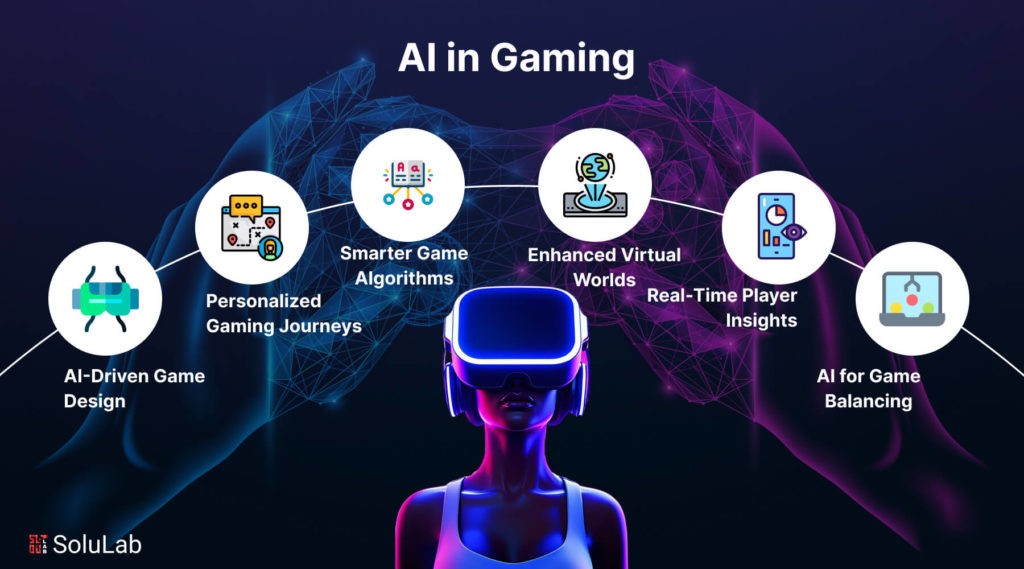
The year 2025 marked a significant surge in artificial intelligence integration within the video game industry, as evidenced by the over 4000 games on Steam disclosing AI usage by year's end. This represents a 100% increase from the previous year and a staggering 4750% leap since Steam's AI monitoring began in 2023. As we enter 2026, the trajectory suggests an even greater embrace, with projections indicating that one in every three games on Steam may feature AI disclosures. This rapid expansion, detailed in the AI and Games Newsletter, underscores a fundamental shift in game development and player expectation.
Reflecting on the past year, the AI and Games Newsletter accurately predicted several key trends. The consolidation of AAA game success, with 2025's top PlayStation titles mirroring 2024's, highlighted the enduring appeal of live service games over new releases. The continuation of industry layoffs served as a somber confirmation of lingering economic aftershocks from earlier strategic missteps. Furthermore, NVIDIA's ascendance as a leading AI powerhouse was undeniable, solidifying its market dominance. The proliferation of AI demos and start-ups, coupled with a growing emphasis on local inferencing for machine learning models, signaled a practical shift away from cloud-dependent AI solutions.
Indie developers have been at the forefront of shipping AI-native games, where generative AI forms the core gameplay experience, with titles like AI2U: With You ‘Til The End and Millennium Whisper emerging as early examples. However, this period was also marked by notable missteps and controversies. From Nvidia's controversial neural face rendering techniques to Activision's use of generative art in Call of Duty: Black Ops 7, and the questionable deployment of AI voice models in Arc Raiders and the Fortnite Darth Vader incident, the industry grappled with ethical and artistic concerns. These instances highlight a recurring pattern of players voicing concerns that are often met with a strategy of moving forward and hoping for diminished backlash.
Looking ahead to 2026, the outlook is a blend of continued innovation and potential challenges. The exponential growth of AI-tagged games on Steam is expected to continue, potentially reshaping the discovery and marketing landscape. However, concerns are mounting regarding the impact of Microsoft's aggressive AI strategies on the Xbox platform, with some analysts predicting it could lead to unforeseen drawbacks. The nascent state of AI legislation, particularly the United Kingdom's approach, is also a point of significant apprehension, with predictions of widespread dissatisfaction due to its perceived ineffectiveness or overreach.
This evolving landscape presents both opportunities and hurdles. While the technological advancements in AI promise to unlock new forms of gameplay and player interaction, the industry must remain vigilant about ethical considerations, transparency, and the potential for market saturation with AI-generated content. The coming year will likely test the industry's ability to harness AI responsibly, ensuring that innovation serves to enhance the gaming experience rather than detract from it. The predictions for 2026 suggest a complex journey, one that will require careful navigation by developers, platform holders, and regulators alike to ensure a healthy and sustainable future for AI in gaming.
The continued proliferation of AI disclosures on Steam is set to redefine game discovery. With over 4300 AI-tagged games by the end of 2025, this trend indicates a significant shift in development practices and player awareness. It's anticipated that by the close of 2026, a substantial portion of Steam's catalog will bear these disclosures, reflecting a maturing AI integration within the gaming ecosystem.
Concerns also loom regarding the broader industry impacts. Microsoft's ambitious AI initiatives, while potentially transformative, could paradoxically introduce complications for the Xbox ecosystem, a point of concern for industry observers. Concurrently, the legislative responses to AI, particularly the UK's early attempts at regulation, are widely expected to be met with criticism for being out of step with the rapid pace of technological advancement and industry needs.
Ultimately, the path forward for AI in gaming in 2026 is expected to be one of significant growth, punctuated by important debates around responsible implementation and regulatory foresight. The industry is at a critical juncture, where the choices made today will shape the future of interactive entertainment for years to come.
Source Insight: This report was curated based on original coverage from aiandgames.com.
Explore Kri-Zek
📱 Altered Brilliance App
Download on Google Play · Watch the Trailer
📖 The Power of Gaming
Watch the Video
🤝 Connect With Us
Kri-Zek on LinkedIn · Founder on LinkedIn · Happenstance
📸 Follow Us on Instagram
@krizekster · @krizek.tech · @krizekindia