Badge
Apr 15, 2026
Navigating the Evolving Landscape of No-Code Development Platforms
Bubble revolutionized no-code development, but the market has matured. Discover key alternatives that offer enhanced performance, design freedom, and better scalability for your next web application.
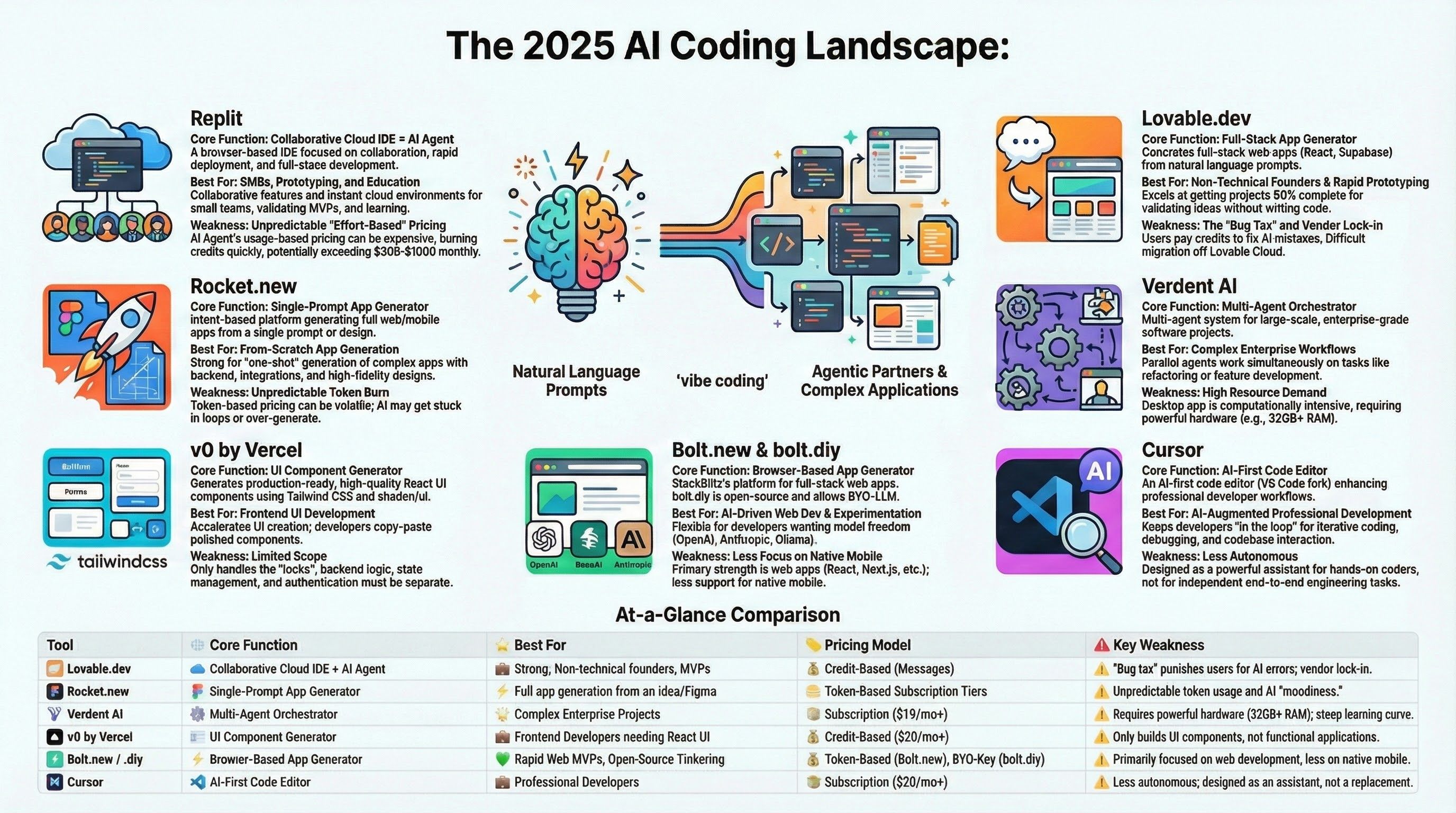
Bubble's pioneering role in the no-code revolution since 2012 established it as a go-to platform for app development without traditional coding. However, the no-code and low-code market has seen explosive growth, with projections indicating a significant expansion in the coming years. For developers and entrepreneurs finding Bubble's limitations a hindrance—be it in performance, pricing flexibility, or design autonomy—exploring alternatives is a logical next step.
The primary drivers for seeking a Bubble alternative often stem from specific pain points. Unpredictable pricing structures, particularly the "workload units" that can cause unexpected cost spikes, are a major concern for budget-conscious projects. Performance bottlenecks in complex applications, where users have limited control over optimization, can also lead to a frustrating user experience. Furthermore, Bubble's focus on responsive web apps means it doesn't natively build iOS or Android applications suitable for app store submission. The inability to export application code also represents a form of vendor lock-in, requiring a complete rebuild if migration is desired. Finally, while powerful, Bubble's visual editor may not always provide the granular control needed for pixel-perfect, responsive design compared to more specialized tools.
Defining Your Needs for a Platform Shift
Before committing to a new platform, a thorough self-assessment of core requirements is essential. Consider the specific use case: are you building internal tools, customer portals, native mobile apps, or scalable SaaS products? The level of flexibility and customization needed is paramount; some projects thrive on templates, while others demand complete design freedom. Evaluating the backend and data management strategy is also critical. Do you need an all-in-one solution, or would you prefer to integrate with external databases or backend services like Xano or Supabase? Scalability is another non-negotiable, particularly for applications anticipating significant user growth.
Evaluating Ease of Use and Learning Curve
No-code platforms, despite their name, invariably involve a learning curve. Bubble itself requires substantial investment in learning its intricacies. When exploring alternatives, prioritize platforms with intuitive user interfaces and comprehensive learning resources, such as well-structured tutorials and readily available templates. The platform's logical structure should align with your team's existing technical understanding to facilitate rapid development rather than introducing a new, equally steep learning curve. User reviews often highlight platforms like Wix as more accessible for simpler projects.
Prioritizing Predictable and Scalable Pricing Models
A significant impetus for moving away from Bubble is its usage-based pricing, which can complicate financial forecasting. The ideal alternative offers clear, predictable pricing, such as flat subscription tiers that are independent of end-user volume. Platforms that focus solely on the frontend, for instance, often provide fixed monthly costs, simplifying expense management as your application scales. This predictability is crucial for sustainable business growth.
Addressing Mobile App Development Goals
For projects with mobile aspirations, the distinction between native apps and responsive web apps is critical. Platforms like Adalo and FlutterFlow are purpose-built for creating native iOS and Android applications that can be distributed through app stores. Other solutions may offer Progressive Web Apps (PWAs), which mimic native app experiences within a browser, or simply robust responsive design capabilities for web applications. Understanding each platform's definition and implementation of "mobile support" is key to aligning with your project's vision.
Assessing Customization, Extensibility, and Long-Term Viability
Choosing a platform that allows for growth without imposing limitations is vital. The ability to integrate custom code, such as JavaScript or CSS, extends a platform's capabilities beyond its built-in features. Platforms built on open standards offer greater freedom and mitigate vendor lock-in. For example, solutions that enable connection to your own backend services provide enhanced control and flexibility compared to rigidly integrated systems. This foresight ensures your chosen tool can adapt and scale with your evolving business needs, providing a foundation for sustained innovation and development.
Source Insight: This report was curated based on original coverage from weweb.io.
Explore Kri-Zek
📱 Altered Brilliance App
Download on Google Play · Watch the Trailer
📖 The Power of Gaming
Watch the Video
🤝 Connect With Us
Kri-Zek on LinkedIn · Founder on LinkedIn · Happenstance
📸 Follow Us on Instagram
@krizekster · @krizek.tech · @krizekindia