Badge
May 9, 2026
Navigating the GPU Landscape for Peak Gaming Performance
Discover the essential graphics cards shaping the gaming world in 2026. From 4K powerhouses to budget-friendly options, this guide helps you pinpoint the perfect GPU for your setup.
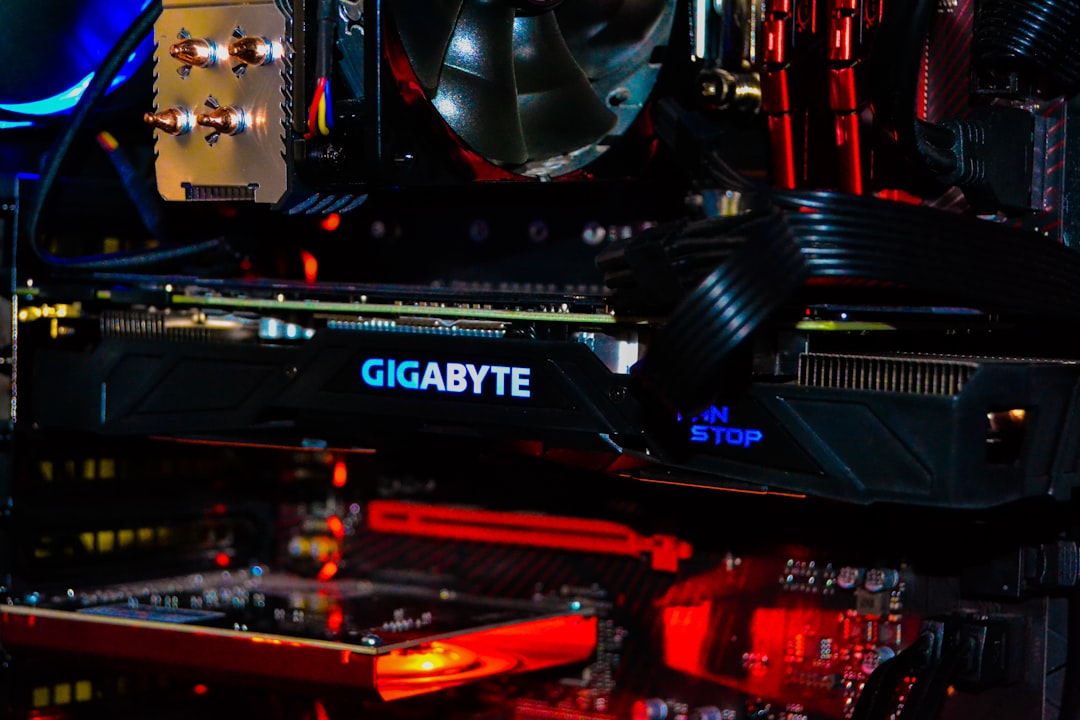
The quest for the ultimate gaming experience hinges on one critical component: the graphics processing unit (GPU). As we venture further into 2026, the market offers a diverse array of GPUs designed to meet the demands of everything from esports titles to graphically intensive AAA blockbusters. Understanding which card best suits your needs involves more than just looking at raw specifications; it requires a deep dive into performance benchmarks, real-world gameplay scenarios, and current market trends.
This year's top contenders, including the NVIDIA RTX 5090, RTX 5080, RTX 5070 Ti, RTX 5070, and AMD's Radeon RX 9070 XT, RX 9070, and RX 9060 XT, present a spectrum of power. These cards cater to a wide range of gaming aspirations, from budget-conscious players aiming for solid 1080p performance to enthusiasts seeking to conquer 4K resolutions with ray tracing enabled at high refresh rates.
For those aiming for the zenith of visual fidelity, the NVIDIA RTX 5090 stands as the undisputed champion, offering unparalleled performance for 4K path-tracing at a blistering 120Hz. Following closely is the RTX 5080, a formidable card that excels in delivering top-tier 4K gaming, augmented by advanced AI upscaling technologies like DLSS 4.5.
Shifting focus to the 1440p sweet spot, AMD's Radeon RX 9070 XT emerges as a compelling choice, often surpassing its NVIDIA counterparts in raw rasterization performance for this popular resolution. It represents a strong balance of power and value for mainstream gaming setups.
For players on a tighter budget or those prioritizing esports titles and 1080p gaming, the AMD RX 9060 XT offers a robust solution. With options providing ample VRAM, it can deliver over 100 FPS in many competitive games, ensuring a smooth and responsive experience.
When selecting a graphics card, the first crucial consideration is your target gaming resolution. This directly influences the computational load the GPU must handle. A higher resolution demands significantly more power, so aligning your GPU choice with your monitor's native resolution is paramount to avoid performance bottlenecks and ensure you're not overspending on capabilities you won't fully utilize.
Beyond resolution, the refresh rate of your display plays a vital role. A high refresh rate monitor (e.g., 144Hz or higher) requires a GPU capable of pushing a commensurate number of frames per second to take full advantage of the smooth visuals it offers. Conversely, a standard 60Hz monitor doesn't necessitate the absolute highest-end GPU if your primary goal is simply consistent performance at that rate.
The type of games you play is another significant factor. Demanding AAA titles with complex graphics and ray tracing effects will strain even the most powerful GPUs, whereas less graphically intensive esports or indie games are far more accessible. Understanding the system requirements and performance profiles of your favorite games will guide you towards a GPU that provides an optimal experience without unnecessary compromise.
VRAM, or Video Random Access Memory, is increasingly important, especially at higher resolutions and with demanding texture settings. Insufficient VRAM can lead to stuttering and performance degradation. While specific requirements vary by game, having ample VRAM ensures smoother gameplay and the ability to utilize higher graphical presets, contributing to a more immersive gaming session.
Source Insight: This report was curated based on original coverage from siriuspowerpc.com.
Explore Kri-Zek
📱 Altered Brilliance App
Download on Google Play · Watch the Trailer
📖 The Power of Gaming
Watch the Video
🤝 Connect With Us
Kri-Zek on LinkedIn · Founder on LinkedIn · Happenstance
📸 Follow Us on Instagram
@krizekster · @krizek.tech · @krizekindia