Badge
May 23, 2026
Navigating the Shifting Sands of the 2026 Gaming Landscape
The game industry in 2026 is a dramatically altered terrain. This analysis dissects the strategic divergences of console giants, the post-merger integration challenges, and the recalibration of stu...
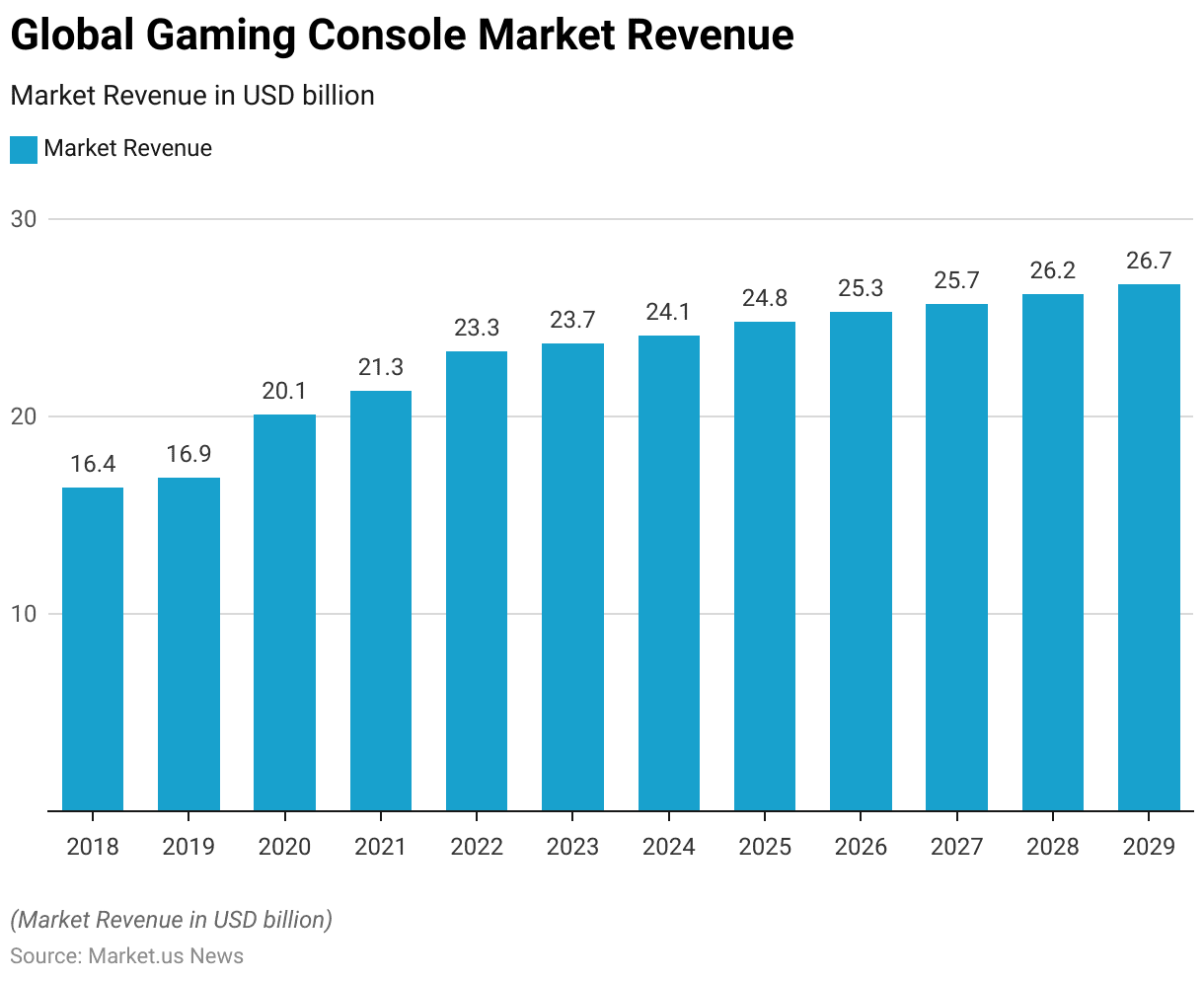
The year 2026 marks a profound transformation in the video game industry, presenting a landscape almost unrecognizable from the beginning of the decade. The core platform holders – Sony, Microsoft, and Nintendo – are now pursuing distinct strategic visions that dictate how games are funded and distributed. This divergence demands a nuanced approach from developers and publishers, as each platform presents a unique commercial environment.
Divergent Platform Strategies: Sony, Microsoft, and Nintendo
Sony has solidified its commitment to a premium first-party strategy, emphasizing large-scale single-player productions alongside a more internally disciplined live-service portfolio. In contrast, Microsoft has strategically repositioned Xbox as a multi-platform publishing entity, with Game Pass and cloud streaming services acting as the primary commercial drivers, using the console as just one of several distribution channels. Nintendo remains the sole traditional hardware-led platform holder, with its upcoming console successor underpinning a first-party slate that achieves success without the necessity of cross-platform releases. This bifurcation means a one-size-fits-all negotiation strategy with platform holders is no longer viable; 2026 release planning must account for the distinct audiences, pricing sensitivities, and live-service expectations of each.
The Long Shadow of Mergers and Acquisitions
The industry is deep into the digestion phase following the substantial wave of mergers and acquisitions that spanned from 2022 to 2025. This period is proving more operationally complex than the initial deal announcements suggested. Large conglomerates are grappling with the integration of reporting structures, the reorganisation of IP pipelines, and the critical task of validating which acquired studios are living up to their original strategic promises. The studio closures and project cancellations observed in 2024 and 2025 should be viewed through this integration lens, rather than as isolated failures. The central question now is which intellectual properties warrant continued investment post-acquisition, as headcount stabilises. Expect surviving studios within major groups to focus on fewer, yet more ambitious, projects, while those that didn't meet acquisition criteria may spin out or wind down.
A significant undercurrent to these M&A activities is the hardware platform story and its direct impact on publisher economics, particularly concerning console pricing in 2026. Persistent component costs and market pressures, as detailed in analyses of Nintendo's hardware pricing adjustments, highlight how platform holders are modelling their input costs. Publishers forecasting install-base growth must closely monitor these signals, as elevated hardware entry prices can reshape the composition of future user cohorts and directly influence the lifetime-value assumptions that underpin green-light decisions.
Studio Economics in a New Funding Climate
The independent and mid-budget studio sector has experienced the most dramatic recalibration in 2026. The abundant capital readily available from 2020 to 2022 has receded significantly. The next generation of venture-backed games funds are issuing smaller cheques and imposing stricter development milestones. Studios that have navigated this funding correction are operating with fundamentally different models: smaller core teams, extended pre-production phases, early and deliberate platform exclusivity agreements, and a greater reliance on publishing partners to underwrite marketing campaigns that individual studios can no longer afford.
The emerging pattern sees mid-budget teams concentrating their resources on single, tightly focused productions. They are increasingly willing to accept platform or store exclusivity in exchange for co-investment in marketing. Live-service elements are now more often considered an optional, post-launch addition rather than a primary development requirement. Studios that have resisted this operational compression have largely failed to survive into the current year.
The Evolving PC Storefront Landscape
On the PC front, storefronts like Steam and Epic Games Store are facing their own seismic shifts, particularly concerning discoverability. The era of organic growth through sheer volume is waning. Platform holders are implementing more curated approaches, directly influencing which titles gain visibility and, consequently, player engagement. For mid-budget studios, navigating this new reality means a greater emphasis on strategic partnerships with storefronts, potentially involving exclusive content or promotional support, to ensure their games reach their intended audience amidst an increasingly crowded digital marketplace. The economics of PC development are thus intrinsically linked to the evolving business models of these digital distribution giants.
The Future of Cross-Platform Engagement
The lines between console, PC, and mobile are blurring, accelerated by the rise of streaming and subscription services. These cross-platform layers are becoming central to how interactive entertainment is consumed. As developers and publishers strategize for 2027 and 2028, understanding the interplay between these platforms is paramount. The structural decisions made in 2026 will determine which strategies prove prescient and which falter, ultimately redrawing the boundaries of the gaming economy for the next cycle.
Source Insight: This report was curated based on original coverage from gameindustry.com.
Explore Kri-Zek
📱 Altered Brilliance App
Download on Google Play · Watch the Trailer
📖 The Power of Gaming
Watch the Video
🤝 Connect With Us
Kri-Zek on LinkedIn · Founder on LinkedIn · Happenstance
📸 Follow Us on Instagram
@krizekster · @krizek.tech · @krizekindia