Badge
May 29, 2026
Open Source AI Fuels Asia Pacific's Innovation Surge by 2026
Organizations in the Asia Pacific region are set to embrace open-source AI foundation models, driving innovation and efficiency.
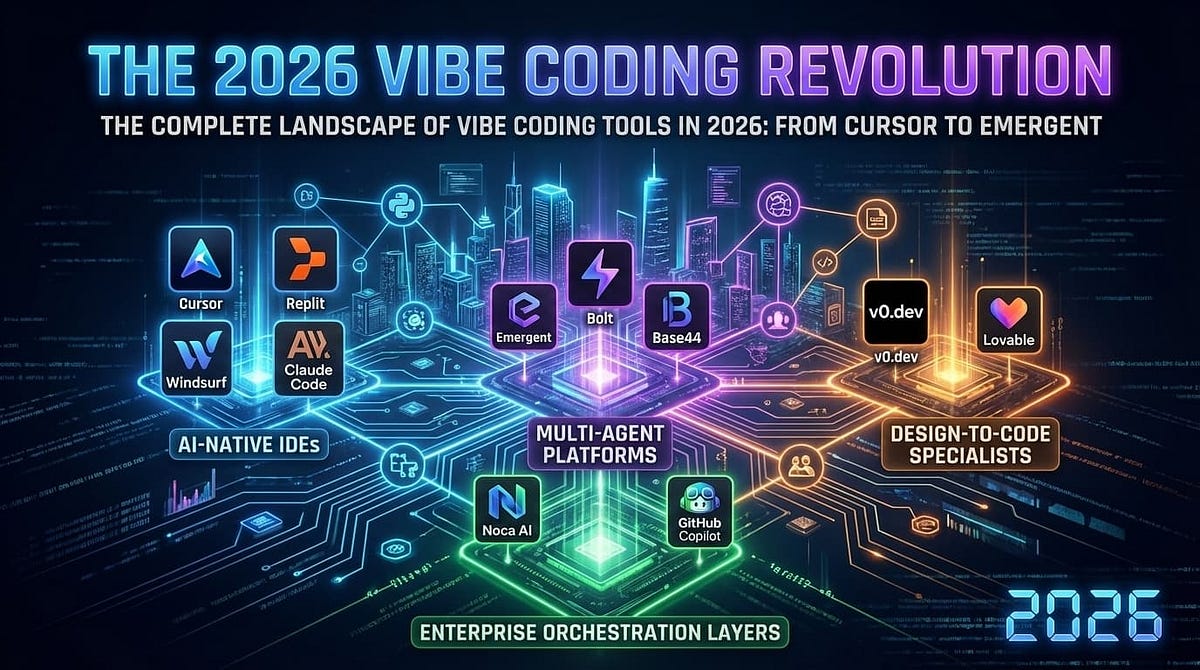
The landscape of software development and operational strategy in the Asia Pacific region is on the cusp of a significant transformation. IDC predicts that by 2026, a substantial 60% of organizations across Asia Pacific (excluding Japan) will pivot towards building applications using open-source AI foundation models. This accelerated adoption is fueled by a trifecta of strategic imperatives: the relentless pursuit of faster innovation, the critical need for operational sovereignty, and the drive for cost efficiency.
This embrace of open-source AI is not merely a technological trend but a response to evolving business demands. The ability to leverage community-driven development and readily available foundational models allows organizations to bypass lengthy development cycles and accelerate their path to market with cutting-edge solutions. Furthermore, utilizing open-source frameworks can empower organizations to maintain greater control over their data and AI initiatives, a crucial aspect of operational sovereignty in an increasingly complex digital world.
The Democratization of Development
The rise of open-source AI foundation models is a key enabler in addressing one of the industry's persistent challenges: development skill shortages. By providing powerful, pre-trained models that can be adapted and fine-tuned, these resources lower the barrier to entry for complex AI applications. IDC's research indicates a growing acceptance, with 41% of Asia/Pacific organizations already engaged in open-source initiatives, a testament to the power of community support in expediting solution deployment.
Dhiraj Badgujar, senior research manager for xOps, Software Development, and AI Developer Strategies at IDC Asia/Pacific, notes the pervasive impact of AI and automation. He anticipates a major shift in software delivery over the next five years, driven by technological breakthroughs that will make the process more efficient and fundamentally AI-focused.
AI-Powered Applications and Low-Code Revolution
Looking ahead to 2027, IDC forecasts that 60% of net-new applications incorporating generative AI will be developed using low-code or no-code technologies. This indicates a broader trend towards the democratization of software development, where businesses can innovate more rapidly, reduce expenses, and enhance their agility in responding to market dynamics. This paradigm shift is being powered by the convergence of low-code/no-code platforms, accessible open-source AI, and natural language interfaces.
However, this rapid advancement necessitates new frameworks for managing the proliferation of AI-powered tools. As AI copilots, assistants, and agents become integral to daily workflows, IDC predicts that by 2027, 50% of enterprises in APEJ will require dedicated technologies to effectively govern and manage these increasingly sophisticated AI components.
Enhanced Security, Testing, and Operational Convergence
The influence of AI extends deeply into the software development lifecycle. By 2027, 70% of corrective code fixes for security vulnerabilities are expected to be generated by AI-assisted automated remediation tools, drastically reducing the time required to patch critical software flaws.
Furthermore, the integration of AI is leading to a convergence of various operational disciplines. By 2028, IDC anticipates that 55% of organizations will adopt DevOps tools that unify capabilities across MLOps, LLMOps, DataOps, CloudOps, and traditional DevOps. This holistic approach is designed to streamline the journey to realizing AI's value within software delivery processes.
By 2029, Generative AI will be instrumental in creating the majority of software tests, with AI-based tools capable of generating up to 80% of required tests. While this promises enhanced code coverage and quality, it also underscores the growing importance of robust governance and the potential for AI agents to augment these workflows.
The Future of Software Development is AI-Centric
IDC's predictions underscore a future where organizations will increasingly rely on generative AI to optimize every facet of their operations, from DevOps pipelines and cost management to security and testing. This dependency promises a significant reduction in manual effort and time spent on repetitive tasks, allowing human expertise to focus on higher-value strategic initiatives.
Badgujar emphasizes that AI-driven tools are becoming the industry standard for the entire software development lifecycle. While GenAI presents both opportunities and challenges, developers and DevOps professionals must cultivate a deep understanding of these evolving technologies. The integration of natural language interfaces, agents, and assistants within developer tools offers a pathway to simplified communication, enhanced modernization, and substantial cost savings, ultimately fostering growth and maintaining a competitive edge through a comprehensive and measurable approach.
Source Insight: This report was curated based on original coverage from my.idc.com.
Explore Kri-Zek
📱 Altered Brilliance App
Download on Google Play · Watch the Trailer
📖 The Power of Gaming
Watch the Video
🤝 Connect With Us
Kri-Zek on LinkedIn · Founder on LinkedIn · Happenstance
📸 Follow Us on Instagram
@krizekster · @krizek.tech · @krizekindia