Badge
Mar 30, 2026
When Gaming Becomes Rehabilitation
Used well, games can support physical, cognitive, and emotional recovery by making hard rehab work repeatable.
Recovery needs repetition, but repetition only works when a person can bear to keep returning.
The Problem With Rehab
The chapter begins from a humane place: recovery is brutal work. Whether someone is rebuilding after addiction, injury, burnout, trauma, or a long period of self-sabotage, the path back is rarely clean. People relapse, lose momentum, feel ashamed, and have to start again while still carrying the weight of the last failed attempt. Any serious conversation about rehabilitation has to respect that emotional reality. Advice without empathy is useless.
This is exactly where gaming enters the chapter with surprising force. Games are not framed as a replacement for treatment or discipline. They are framed as tools that can help make recovery repeatable. That distinction matters. Rehabilitation often fails not because the exercises are wrong, but because the work feels draining, lonely, or too abstract to sustain. Game systems can add feedback, structure, visible progress, and a sense of challenge that helps people stay engaged long enough for healing to accumulate.
Making Movement Worth Repeating
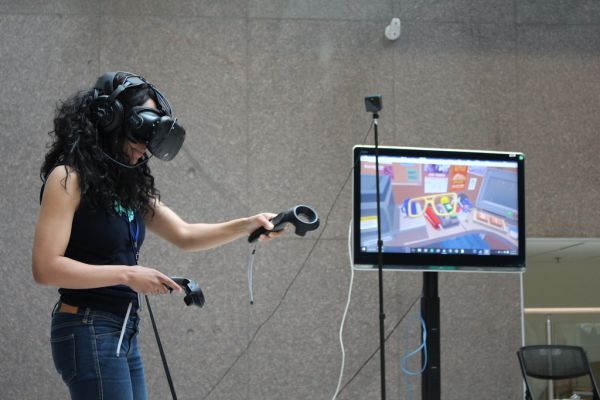
Physical rehabilitation is full of necessary repetition. The problem is that necessary repetition is often boring, uncomfortable, and easy to abandon. When that same movement is placed inside a game-like environment, motivation changes. A patient is no longer just lifting, reaching, balancing, or stepping. They are completing a task, earning progress, hitting a score, or navigating a world that responds to effort.
That motivational shift is not trivial. The manuscript points to evidence around stroke recovery, balance, gait, motor function, and exergame-style therapy. Motion tracking, consoles, and VR systems can transform prescribed exercises into something more playable without making them less clinically useful. In the best setups, patients also receive real-time feedback, which improves precision and helps therapists adjust the experience to the person's actual ability. Good rehabilitation design is not about making recovery childish. It is about making hard work meaningful enough to continue.
Rebuilding the Cognitive Layer
The cognitive side is just as important. Recovery often involves damaged attention, weaker working memory, slowed planning, or reduced confidence in problem solving. Games are unusually well suited to this territory because they naturally ask people to focus, update information, hold goals in mind, and act inside changing conditions. That makes them useful scaffolding for cognitive rehabilitation.
Puzzle systems can stretch focus without overwhelming it. Strategy games can rebuild planning and sequencing. Purpose-built brain training tools can target specific deficits while still feeling more alive than a worksheet or passive drill. The chapter's broader message is that the brain responds well when effort is interactive, measurable, and adaptive. When patients can see themselves improving, even in small increments, adherence rises. That is not just a motivational trick. It is a restoration of agency, which is often one of the first things illness or injury takes away.
A Safe Place to Practice Distress
Emotional rehabilitation may be the most compelling application of all. Anxiety, PTSD, and related conditions are notoriously difficult because the very experiences needed for healing can feel too threatening to approach directly. Carefully designed game and VR environments offer a middle path. They can create controlled spaces where people practice calming tools, graded exposure, or stress management without being thrown into uncontrolled real-world intensity.
Immersion deepens this effect. When haptics, movement, and responsive environments are added, therapy can become more embodied and more believable. A calming landscape can help someone practice regulation. A guided simulation can help a person face triggers in tolerable doses. A hand-therapy device with tactile feedback can make progress legible through the body rather than through instruction alone. None of this removes the need for professional oversight. But it can make therapeutic work feel less abstract and less humiliating, which matters more than many treatment models admit.
Connection, Dignity, and the Long Return
The chapter also recognizes something many clinicians and families have learned the hard way: people heal better when they do not feel isolated. Online gaming communities can offer shared interest, belonging, and low-pressure social contact, especially for autistic individuals or people who find traditional social settings exhausting or inaccessible. Coordinating play, talking through strategy, and being valued for competence can produce a form of social rehabilitation in its own right.
The mature takeaway is not that games are medicine by themselves. It is that rehabilitation improves when the person remains emotionally present long enough to do the work. Games can support that by making recovery visible, social, and slightly more hopeful. They can transform repetition into progression, difficulty into challenge, and fear into something that can be approached in measured steps. Used with moderation and embedded inside a broader treatment plan, gaming can give rehab something every healing process needs but often lacks: a reason to come back tomorrow.
Explore Kri-Zek
📱 Altered Brilliance App
Download on Google Play · Watch the Trailer
📖 The Power of Gaming
Watch the Video
🤝 Connect With Us
Kri-Zek on LinkedIn · Founder on LinkedIn · Happenstance
📸 Follow Us on Instagram
@krizekster · @krizek.tech · @krizekindia