Badge
Mar 30, 2026
Autosave: What Games Teach Us About Memory and Choice
A thoughtful parallel between save systems, memory, and the way better choices are built through reflection.
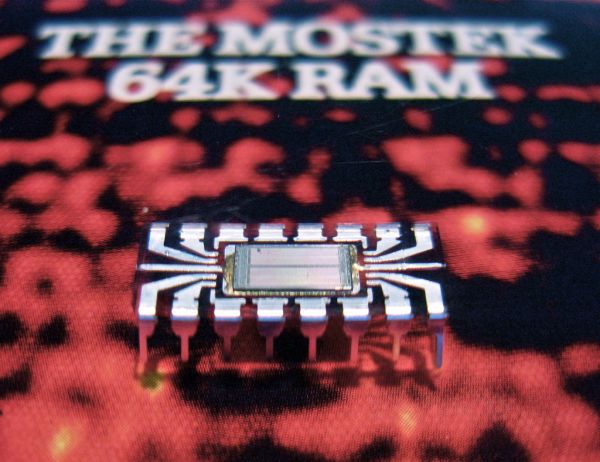
We cannot reload a difficult season of life, but we can learn to preserve progress the way good games do.
Why Save Systems Matter Emotionally
Players trust a save file with something more valuable than time. They trust it with effort, tension, and the meaning of what they have already survived. That is why a corrupted save feels so personal. The anger is not only about lost progress on a screen. It is about the sudden erasure of attention, patience, and all the quiet problem solving that got the player there. Save systems protect continuity, and continuity is what makes challenge feel worth accepting in the first place.
The chapter uses that familiar feeling to open a more interesting comparison. In games, we save because we know the future is uncertain. A boss may overwhelm us, a decision may lock a path, or an unexpected mistake may punish momentum. Saving is a small act of respect for reality. It admits that setbacks will happen and prepares a structure that helps us continue anyway. That is a useful way to think about life as well.
The Mind Already Runs Its Own Autosave
Life does not give us visible save icons, yet the brain is always preserving fragments of experience. Emotionally charged moments, hard-earned lessons, embarrassment, relief, fear, pride, and repetition all leave traces. In that sense, our minds run a kind of background autosave. We do not consciously archive every important event, but memory keeps choosing what might matter later. A conversation can stay with us for years because it arrived at the exact emotional temperature needed to be stored deeply.
The parallel becomes even stronger when we remember that human memory is not perfect. It compresses, distorts, and sometimes rewrites details. Just as a damaged file can become unreliable, an untouched memory can drift when it is never revisited. The chapter's insight here is valuable for performance and wellbeing alike: reflection is a form of maintenance. When we revisit an experience honestly, retell it accurately, or extract the lesson it carries, we strengthen the part worth preserving instead of leaving it to decay.
Manual Save Is the Art of Intentional Pause
Games with manual saving create a different psychology from games that handle everything automatically. They encourage foresight. Players pause before risk, recognize decisive moments, and sometimes create a safety point before exploring the unknown. Life offers no literal equivalent, but it does offer practices that work in the same spirit. Journaling after a hard meeting, reviewing a failed pitch, rehearsing for an interview, or pausing before a major decision are all forms of manual save. They capture state before chaos changes the field.
This matters because better decisions often come from preserved awareness, not superior confidence. A person who records what worked, what triggered them, and what they missed is effectively building a map for future self-correction. The goal is not to avoid risk forever. The goal is to create enough continuity that risk becomes informative rather than destructive. A careful pause can be the difference between repeating a pattern and learning from it.
Branching Paths Without a Reload
Narrative games make branching visible. Save before the choice, take one route, return, take another, and compare the consequences. Real life is harsher because most decisions move in only one direction. Still, the chapter argues that the branching metaphor remains useful. Every serious choice opens one path and closes another. Careers, relationships, habits, environments, and even books we choose to read all become decision points that alter what can happen next. The branch may not look dramatic at first, but its consequences accumulate.
What changes lives is not the fantasy of undoing every mistake. It is the discipline of learning from one branch well enough to choose more wisely on the next. Scenario thinking, pre-mortems, trusted counsel, and reflective review all act like decision tools for people who cannot reload. They do not remove uncertainty, but they make you less likely to repeat preventable errors simply because you refused to study the last one.
Continuity Is More Valuable Than Perfection
The deepest argument in this chapter is that progress does not survive through control alone. It survives through consolidation. Games preserve movement forward so frustration does not cancel meaning. Healthy people do something similar when they convert experience into retained wisdom. They notice what failure taught them, protect the routines that keep them steady, and return to important memories before those memories lose their shape. That is how maturity accumulates.
This is a humane way to think about growth. You do not need a flawless life to keep building one. You need systems that help effort accumulate. Sleep, reflection, notes, honest conversation, and repeatable habits are all forms of real-world saving. They help the self remain continuous across stress, disappointment, and change. We may never get to reload an earlier version of our lives, but we can become much better at not losing what the last chapter already taught us.
Explore Kri-Zek
📱 Altered Brilliance App
Download on Google Play · Watch the Trailer
📖 The Power of Gaming
Watch the Video
🤝 Connect With Us
Kri-Zek on LinkedIn · Founder on LinkedIn · Happenstance
📸 Follow Us on Instagram
@krizekster · @krizek.tech · @krizekindia