Badge
Mar 22, 2026
PUBG Mobile Esports Roadmap 2026: Navigating Global Tournaments and Player Development
PUBG Mobile's 2026 esports season is set to redefine competitive play with a streamlined global tournament structure and a significant expansion of national championships.
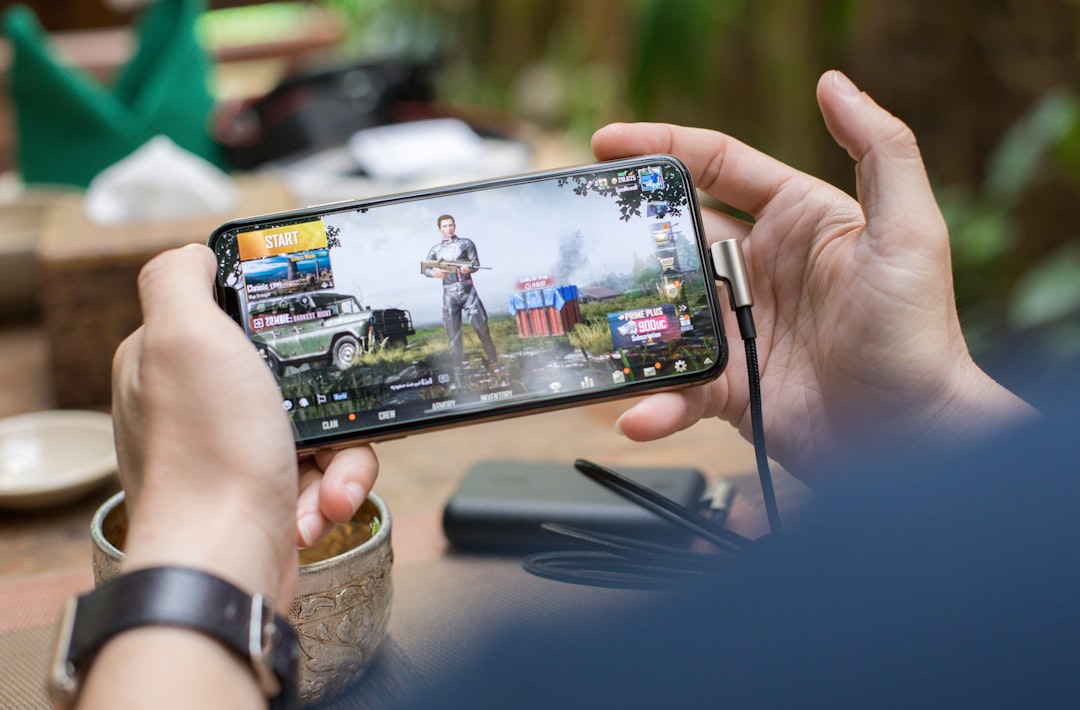
The 2026 PUBG Mobile esports season is poised for a significant evolution, consolidating its global tournament structure while expanding its reach to unprecedented levels. With a combined prize pool of $7 million spread across four major global tournaments and over 30 national championships in eight competitive regions, the landscape is designed to foster both elite competition and broader player engagement. This revised roadmap emphasizes streamlined qualification pathways, increased access from 180 regions, and a strategic shift in how competitive talent is identified and nurtured.
A Streamlined Global Championship Circuit
This year marks a pivotal shift with the consolidation of the tournament ecosystem. The removal of PMSL events and the integration of national championships into direct feeders for global events simplify the path to professional play. The four flagship tournaments – PMGO Season 1, PMGO Season 2, the PUBG Mobile World Championship (PMWC), and the PUBG Mobile Global Championship (PMGC) – will serve as the pinnacle of competitive PUBG Mobile. These events carry substantial prize pools and prestige, with PMWC and PMGC each boasting $3 million, underscoring their importance in the global esports calendar.
Expanded Reach and Regional Focus
The introduction of 180 participating regions signifies the broadest competitive footprint in PUBG Mobile's history. This expansion is crucial for democratizing access to professional esports and unearthing talent from diverse geographical locations. Eight distinct competitive regions, including Southeast Asia, South Asia, the Middle East, Europe, and the Americas, will host dedicated PUBG Mobile National Championships (PMNCs). These national tournaments are not merely qualifiers but critical scouting grounds where performance metrics beyond in-game rank are meticulously observed.
Evolving Tournament Formats for Strategic Depth
Format adjustments in 2026 aim to enhance competitive balance and reward strategic acumen. Qualification tournaments will feature a more extensive 20-24 game sample size, ensuring statistical significance, while championship finals will condense to 15-18 matches to maintain spectator engagement. A key change in point distribution now places greater emphasis on placement consistency over raw elimination counts, thereby rewarding teams that demonstrate superior strategic discipline and adept late-game execution.
The Player's Journey: From Rank to Recognition
For aspiring professionals, understanding the scouting landscape is paramount. While reaching Conqueror tier is a benchmark, scouts extend their scrutiny to the top 1000 players, with particular attention paid to role-specific specialists. The Ace Dominator tier is often considered a sweet spot, as players maintaining this rank while actively participating in scrimmages demonstrate a focused competitive drive. Consistency across multiple seasons and strong performance in high-level practice matches often outweigh a slightly lower in-game rank.
Beyond the Leaderboard: Key Scouting Metrics
Scouts are increasingly looking beyond basic rank to a more nuanced set of statistics. A KD ratio of at least 4.5 for assault players, and around 3.8-4.2 for IGLs and support roles, is considered. Crucially, this must be sustained over a significant number of matches. Average damage per match exceeding 600, coupled with a survival time of 22-26 minutes while maintaining a strong KD, indicates a player's ability to contribute consistently throughout a match. A balance between strategic positioning, reflected in high top-10 finish rates (above 75%), and aggressive play is highly valued.
Tier Point Velocity and Seasonal Progression
Efficiency in climbing the ranked ladder is another metric scouts examine. Players who achieve Conqueror within 150 matches often demonstrate a competitive readiness and systematic improvement. The tier point velocity and consistency graphed over a season, along with season-over-season progression, provide vital context about a player's development trajectory. A steady upward trend, moving from Ace Master to Conqueror and improving rank each season, signals potential for high-level play.
The Importance of Strategic Consistency
Ultimately, the 2026 season emphasizes a holistic view of player performance. While individual mechanical skill, reflected in KD ratio and average damage, remains foundational, strategic thinking, consistent performance in high-pressure situations, and adaptability are increasingly critical. The evolving tournament formats and expanded scouting metrics mean that players must cultivate a well-rounded skill set that combines raw talent with intelligent decision-making and unwavering consistency to truly excel in the elite PUBG Mobile esports circuit.
The Path Forward for Aspiring Professionals
The pathway to professional PUBG Mobile esports in 2026 is more defined yet more demanding than ever. With a clearer tournament structure and a deeper focus on analytical player evaluation, aspiring talents must hone their skills not only in ranked play but also in competitive scrimmages and national championships. The expanded global reach ensures that opportunities exist for dedicated players worldwide, provided they can demonstrate the strategic depth, consistent performance, and professional mindset that scouts are actively seeking.
Source Insight: This report was curated based on original coverage from news.bittopup.com.
Explore Kri-Zek
📱 Altered Brilliance App
Download on Google Play · Watch the Trailer
📖 The Power of Gaming
Watch the Video
🤝 Connect With Us
Kri-Zek on LinkedIn · Founder on LinkedIn · Happenstance
📸 Follow Us on Instagram
@krizekster · @krizek.tech · @krizekindia