Badge
May 13, 2026
The Accelerating Nexus of Low-Code and AI in Modern Application Development
Discover how low-code platforms, bolstered by AI, are revolutionizing app development, driving efficiency, and reshaping business strategy.
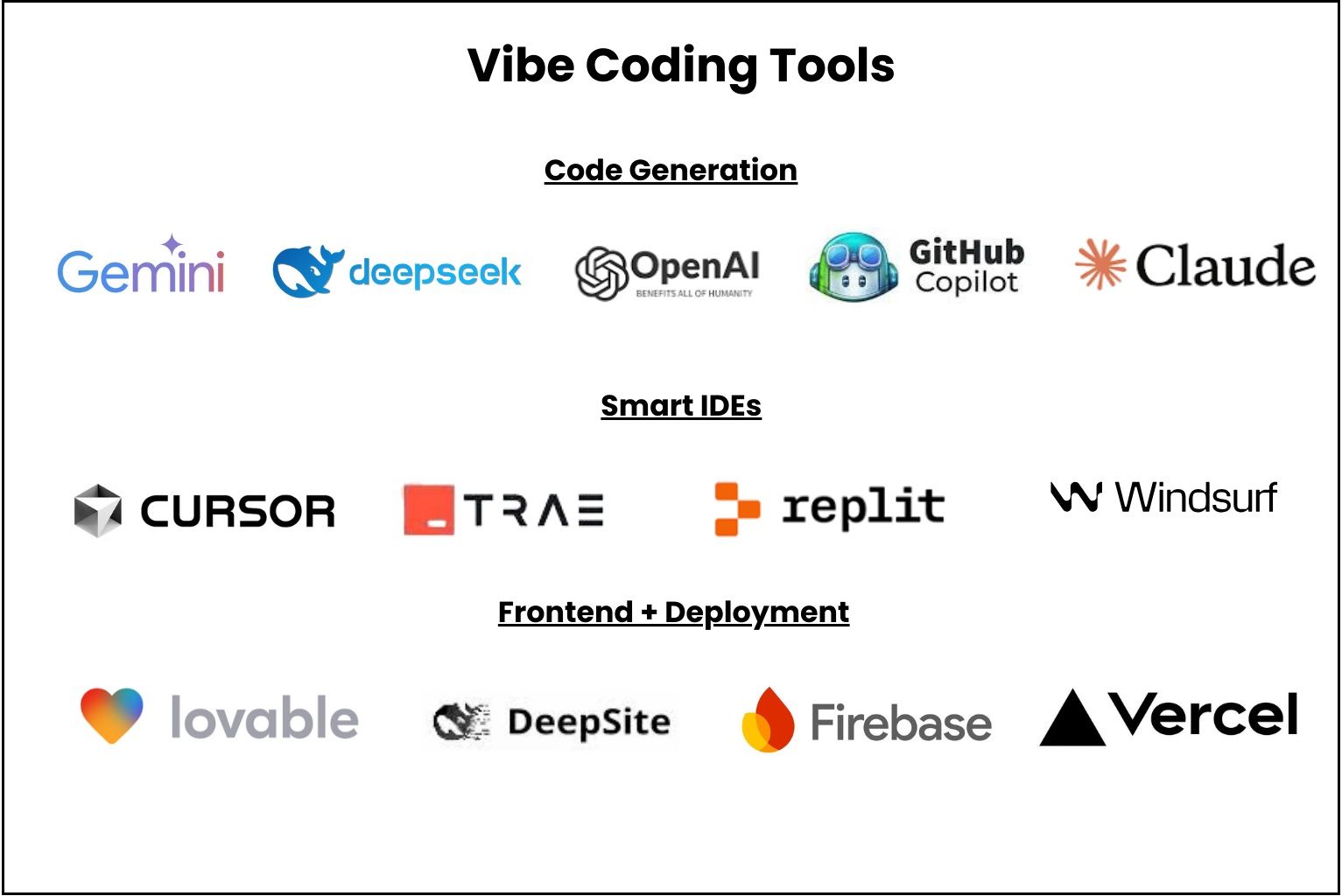
The software development landscape is undergoing a profound transformation, driven by the imperative for enhanced efficiency, cost reduction, and scalable digital capabilities. At the forefront of this evolution are low-code development platforms and the pervasive influence of Artificial Intelligence (AI), together charting a new course for how applications are conceived, built, and deployed.
The Ascendancy of Low-Code
The concept of low-code, while rooted in the development of Fourth-Generation Programming Languages (4GLs) from the 1970s to the 1990s, has matured into a critical business imperative. Gartner forecasts the low-code application platform market to reach $16.5 billion by 2027, with a significant compound annual growth rate. Modern low-code tools, such as App Builder, are far more sophisticated than their predecessors, offering comprehensive capabilities that empower innovation, foster business growth, and dramatically reduce time to market.
AI as a Catalyst, Not a Replacement
Initially perceived as a potential threat to low-code solutions, AI is now widely recognized as a powerful enhancer. A significant majority of tech leaders, 76%, anticipate AI will improve the efficiency of their existing low-code tools, rather than replace them. This symbiotic relationship ensures that AI functionalities are increasingly integrated into low-code platforms, providing developers with a substantial head start and further streamlining the entire development lifecycle.
Redefining Application Development
Low-code tools are designed to abstract the complexities of traditional coding, enabling the rapid generation of clean code for various frameworks. They offer a visual integrated development environment (IDE), extensive libraries of reusable drag-and-drop UI components, pre-built templates, and advanced customization options. This democratizes app creation, allowing individuals with limited traditional coding experience to build sophisticated software solutions, thereby cutting development time and boosting work efficiency.
Evolving Motivations for Adoption
The reasons behind adopting low-code solutions have shifted over time. While improving developer productivity remains a primary driver, current adoption is increasingly influenced by more strategic objectives. These include the creation of custom applications tailored to specific business needs (now 29% of users), a reduction in manual errors (19%), and enabling a broader range of employees to participate in app creation (26%). This evolution signifies a move towards leveraging low-code for enhanced end-user experiences and greater operational precision.
The Imperative of Speed and Agility
In today's fast-paced digital economy, the ability to develop and deploy applications rapidly is paramount. 95% of companies now leverage low-code tools, a testament to their effectiveness in accelerating development cycles. This widespread adoption underscores the critical need for agility, allowing businesses to respond quickly to market changes and customer demands. The integration of AI further amplifies this speed, automating repetitive tasks and optimizing workflows.
Strategic Advantages Beyond Efficiency
The benefits of low-code extend beyond mere speed and cost savings. 98% of tech leaders report significant development time savings and 62% cite cost reductions. However, the true strategic advantage lies in the ability to foster innovation across an organization. By empowering more individuals to contribute to application development, businesses can unlock new ideas and solutions that might otherwise remain dormant. This also leads to a reduction in errors typically associated with manual coding, enhancing the overall quality and reliability of software.
The Future of Development is Collaborative
The convergence of low-code and AI is not merely a technological trend; it represents a fundamental shift in how software is created. This collaborative approach allows organizations to build more sophisticated, custom applications faster and more cost-effectively than ever before. As businesses continue to navigate the complexities of digital transformation, embracing these advanced development methodologies will be key to maintaining a competitive edge and driving sustainable growth.
Source Insight: This report was curated based on original coverage from appbuilder.dev.
Explore Kri-Zek
📱 Altered Brilliance App
Download on Google Play · Watch the Trailer
📖 The Power of Gaming
Watch the Video
🤝 Connect With Us
Kri-Zek on LinkedIn · Founder on LinkedIn · Happenstance
📸 Follow Us on Instagram
@krizekster · @krizek.tech · @krizekindia