Badge
Mar 21, 2026
The AI Frontier Simulating Our Future Worlds
Explore the cutting edge of AI-powered simulation games set for 2026. Discover how intelligent NPCs, procedural generation, and adaptive gameplay are revolutionizing digital experiences and enablin...
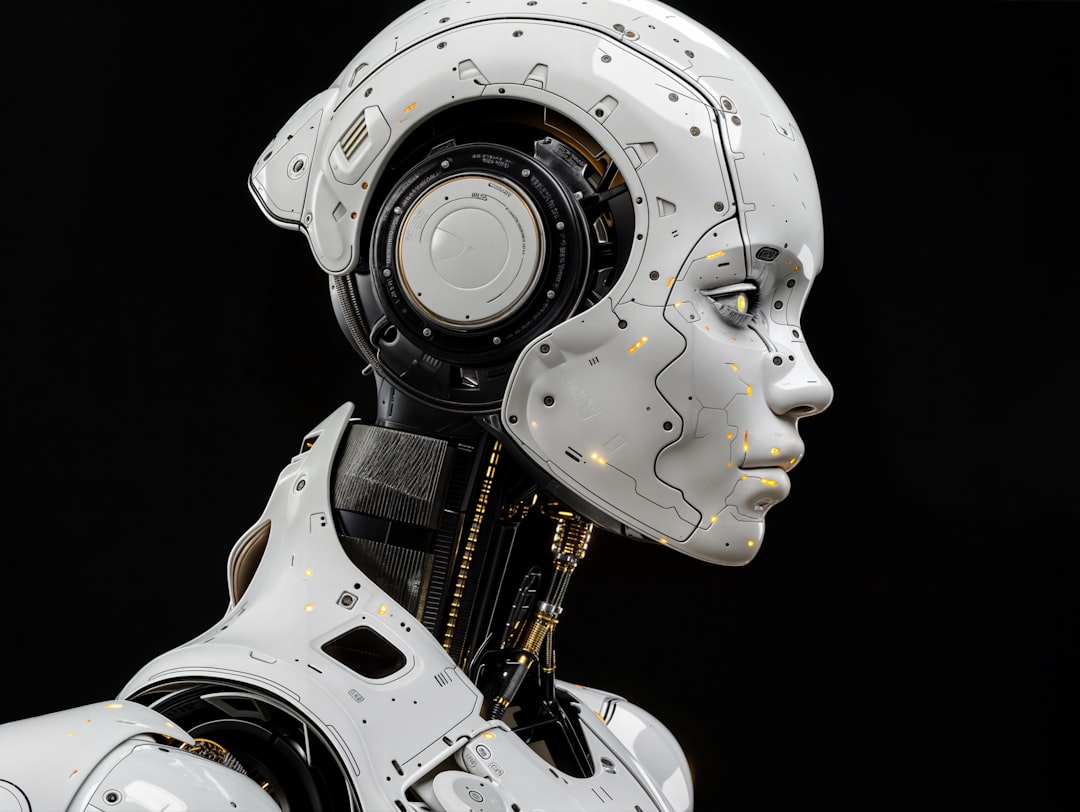
The landscape of gaming is on the cusp of a profound transformation, with artificial intelligence moving from background mechanics to the forefront of interactive experiences. By 2026, AI simulation games are poised to deliver unparalleled depth and dynamism, pushing the boundaries of what players can expect from digital worlds. These aren't just games with smarter enemies; they represent a fundamental shift towards living, breathing digital ecosystems.
Redefining Intelligence in Game Worlds
What truly sets AI games apart in 2026 is the sophistication of their artificial intelligence. Gone are the days of predictable NPCs following rigid, pre-programmed paths. Today's AI-driven characters, powered by advanced machine learning and large language models (LLMs), possess capabilities that mimic genuine intelligence. They exhibit memory of past interactions, engage in contextual dialogue that feels organic and unscripted, and can react dynamically to unforeseen situations, creating emergent gameplay that is unique to each player's journey.
The Power of Procedural Generation Evolved
AI's influence extends beyond character behavior to the very fabric of game worlds. AI-powered procedural generation leverages neural networks trained on vast datasets of design principles and aesthetic conventions. This allows for the creation of diverse, contextually relevant game content – from intricate architectural styles for fantasy settings to dynamic ecological systems – that feels both novel and coherent, avoiding the repetitive patterns often seen in older procedural algorithms.
Accelerated Creation Through AI
The development cycle for games is also being dramatically reshaped. Platforms like SEELE AI are demonstrating the power of text-to-game generation, enabling the creation of playable prototypes from simple natural language descriptions in mere minutes. This represents a monumental leap in development speed, allowing creators to iterate and conceptualize ideas with unprecedented efficiency, democratizing game development by removing the steep learning curve of traditional coding and asset creation.
Simulation Beyond Entertainment
While the entertainment value of these advanced AI simulations is undeniable, their potential reaches into educational and training domains. Imagine medical students practicing complex procedures in hyper-realistic AI simulations, or history students interacting with AI-powered historical figures. Platforms that allow for the creation of custom AI educational games, such as SEELE, are paving the way for adaptive learning experiences tailored to individual needs, fostering deeper understanding through active engagement.
The Pillars of Modern AI Game Development
Key technologies driving this revolution include text-to-game generation for rapid prototyping, multimodal AI models that understand complex requests, LLM-driven NPC dialogue for believable interactions, procedural asset generation for scalable content, and sophisticated world model simulations that maintain persistent, reactive game environments. These elements combine to create experiences that are not only immersive but also deeply intelligent.
Emerging AI Simulation Categories
In 2026, we see top AI simulation games flourishing across several categories. Beyond entertainment, educational AI games are leveraging AI to create personalized learning journeys. Creative platforms empower users to build their own AI-driven worlds, blurring the lines between player and developer. The core of these advancements lies in their ability to simulate complex systems and behaviors, offering rich, responsive environments.
Building the Future of Play
For aspiring creators, the barrier to entry for developing AI games is rapidly diminishing. Tools that require no programming knowledge, relying instead on natural language prompts to generate games, code, assets, and AI behaviors, are becoming the norm. This shift signifies a move towards design-centric development, where the focus is on the creative vision rather than technical execution.
The Horizon of AI in Gaming
The trajectory of AI in simulation games points towards increasingly sophisticated, personalized, and emergent experiences. As AI models continue to evolve, we can anticipate even more complex world simulations, richer narrative possibilities, and deeper player immersion. The future of gaming is not just about interactive entertainment; it's about intelligent, adaptive digital realities.
Source Insight: This report was curated based on original coverage from seeles.ai.
Explore Kri-Zek
📱 Altered Brilliance App
Download on Google Play · Watch the Trailer
📖 The Power of Gaming
Watch the Video
🤝 Connect With Us
Kri-Zek on LinkedIn · Founder on LinkedIn · Happenstance
📸 Follow Us on Instagram
@krizekster · @krizek.tech · @krizekindia