Badge
Apr 12, 2026
The AI Revolution in Code: Navigating the Era of Vibe Coding
AI is transforming software development by enabling developers to 'vibe code' – describing desired functionality in natural language and letting AI generate the code.
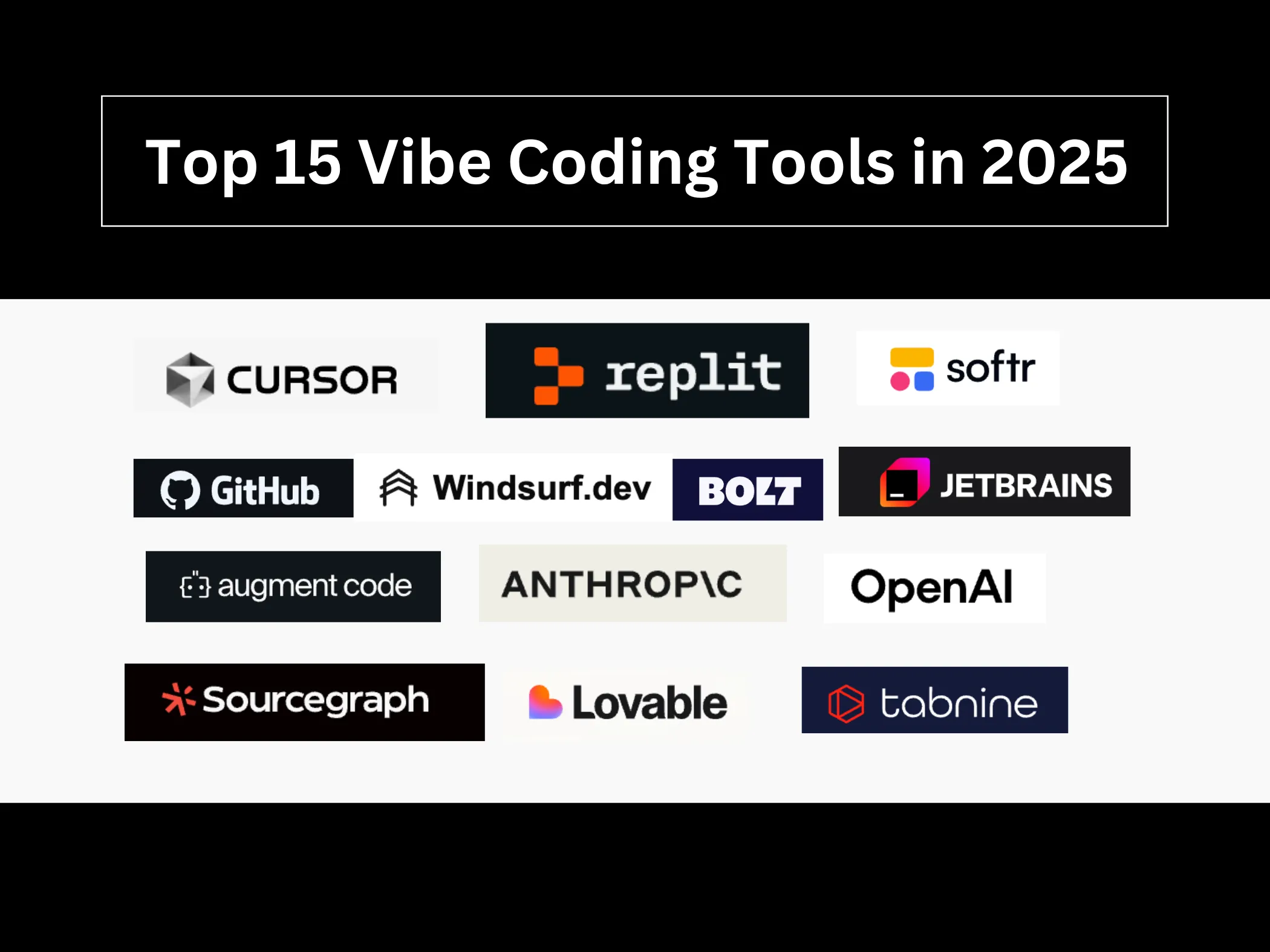
The landscape of software development is undergoing a profound transformation, ushering in an era often termed 'vibe coding.' This shift, gaining significant traction by 2026, fundamentally alters the traditional developer workflow. Instead of meticulously crafting every line of code, developers now increasingly rely on articulating their intent in natural language, with Artificial Intelligence generating functional code structures. This evolution prioritizes guiding AI and refining its output over the granular, syntax-focused programming of the past, making development faster and more accessible.
At its core, vibe coding represents a paradigm shift introduced as a natural language approach to software creation. Developers prompt sophisticated AI models to generate and refine code, focusing on the 'what' and 'why' of a feature rather than the intricate 'how.' This strategic pivot allows development teams to concentrate on higher-level problem-solving and architectural design, offloading much of the repetitive and boilerplate coding to AI.
The adoption rate of AI-powered coding tools is staggering, with a significant majority of developers integrating them into their daily routines. By 2026, estimates suggest that a substantial portion of global code is AI-generated, underscoring the technology's pervasive influence. This widespread integration is driven by the promise of accelerated development cycles and the democratization of coding.
A diverse ecosystem of AI coding tools has emerged to cater to various needs. From comprehensive professional development platforms to rapid prototyping solutions, these tools are becoming indispensable. Options like Cursor, GitHub Copilot, Claude Code, and Bolt.new offer distinct advantages, supporting everything from complex enterprise solutions to quick proof-of-concept projects.
The advantages of this new coding paradigm are numerous. Faster prototyping is a hallmark, allowing ideas to be tested and iterated upon with unprecedented speed. AI excels at handling repetitive tasks, freeing developers from mundane coding to focus on more engaging challenges. Furthermore, it significantly lowers the barrier to entry, making coding more accessible to individuals without traditional programming backgrounds.
However, this transformative technology is not without its challenges. A significant concern revolves around security risks, as a notable percentage of AI-generated code can contain vulnerabilities. Ensuring the robustness and security of AI-assisted code requires rigorous review and validation processes. Maintenance challenges also arise, as understanding and debugging AI-generated code can sometimes be complex.
Another critical consideration is the potential for technical debt. While AI can accelerate initial development, poorly managed or unverified AI-generated code can lead to long-term maintenance burdens. A proactive approach, balancing AI's generative power with human oversight and adherence to sound engineering principles, is crucial for sustainable development.
The practical implementation of vibe coding follows a structured loop: Intent → Spec → Generate → Review → Iterate → Ship. This workflow begins with a clear specification, often surprisingly concise, that guides the AI. Developers then request incremental features, review the AI's output for accuracy and security, iterate based on feedback, and finally ship the code. Precise prompt engineering is paramount, ensuring the AI's output aligns with the developer's vision.
Mastering prompt engineering involves strategies like using context files to maintain coding standards and employing techniques such as Plan Mode to preview AI suggestions before code generation. Explicitly including edge cases and providing visual context can further enhance AI accuracy. As the industry evolves, the successful integration of AI in coding will depend on a thoughtful balance between leveraging its capabilities and upholding fundamental software engineering discipline.
Source Insight: This report was curated based on original coverage from daily.dev.
Explore Kri-Zek
📱 Altered Brilliance App
Download on Google Play · Watch the Trailer
📖 The Power of Gaming
Watch the Video
🤝 Connect With Us
Kri-Zek on LinkedIn · Founder on LinkedIn · Happenstance
📸 Follow Us on Instagram
@krizekster · @krizek.tech · @krizekindia