Badge
Apr 15, 2026
The AI Revolution in Code: Top Tools Redefining Software Development
The landscape of software development has been irrevocably altered by AI. Discover the leading AI coding tools of 2026, from autonomous agents to intelligent assistants, and understand how they are...
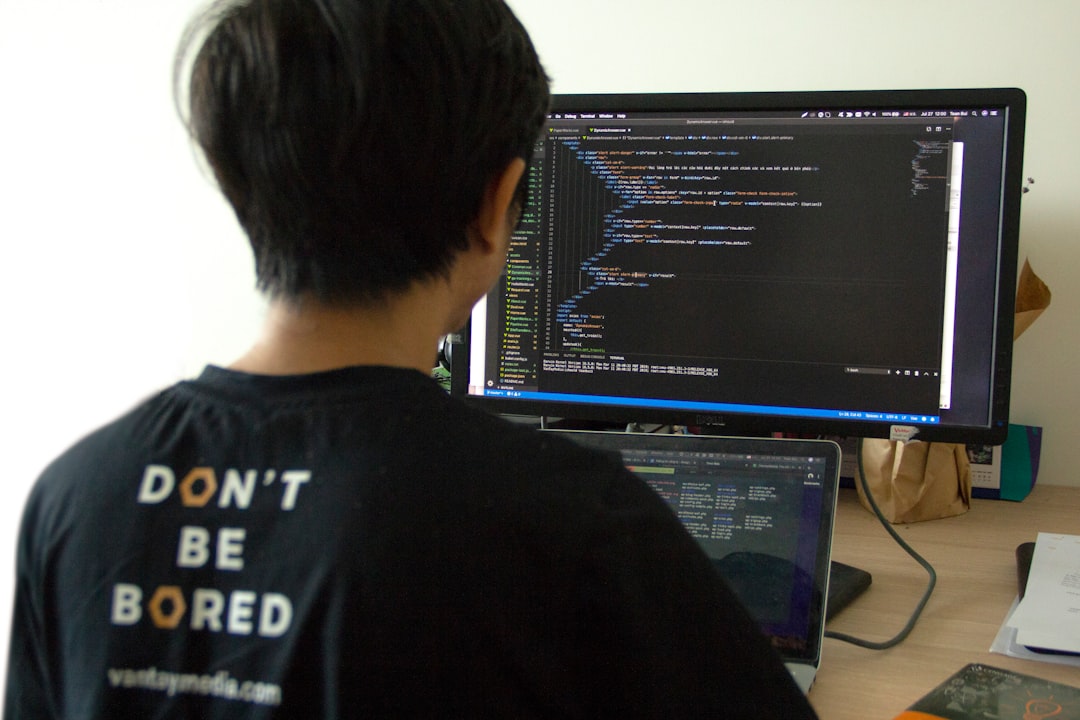
The Dawn of AI-Assisted Coding
The year 2026 marks a significant inflection point in software development, characterized by the widespread adoption and astonishing capabilities of AI coding tools. No longer confined to simple autocompletion, these sophisticated assistants and autonomous agents are fundamentally transforming the developer workflow. With millions of developers already integrating these tools, the industry is witnessing unprecedented gains in productivity and a dramatic acceleration in time-to-market for new features and applications. This new era isn't about replacing human developers but about augmenting their creativity and efficiency with the precision of artificial intelligence.
Market Dynamics and Key Trends
The AI coding tools market has experienced explosive growth, projected to reach $14 billion by 2029, with approximately 76% of professional developers now relying on AI assistance daily. This surge is fueled by two primary trends: the rise of autonomous coding agents and the increasing diversity of AI models powering these tools. Autonomous agents, capable of handling complex, multi-file refactoring and even building entire applications from natural language prompts, are leading the charge, mirroring broader shifts towards agentic AI workflows in enterprise development.
Autonomous Agents Take Center Stage
Leading the charge in agentic capabilities are tools like Cursor AI, which employs up to eight parallel agents for intricate tasks, and Replit Agent 3, enabling the autonomous construction of web applications from simple prompts. GitHub's own Coding Agent, launched in mid-2025, directly assigns GitHub issues to AI for resolution. Claude Code further pushes boundaries with its terminal-based agentic development, offering a new paradigm for autonomous coding within familiar environments. These advancements signal a move beyond mere assistance towards AI as a collaborative development partner.
The Power of Model Diversity
A significant development is the integration of multiple AI models within a single platform. Developers can now select the optimal AI model for specific tasks, choosing from advanced offerings like GPT-4o, Claude 4 Sonnet, Gemini 2.5 Pro, and even early access to GPT-5. This multi-model approach allows for tailored performance, ensuring that the right AI is applied to the right problem, whether it's complex logic generation, code optimization, or debugging. This flexibility is crucial for maximizing efficiency across diverse development needs.
Enterprise-Grade Solutions Emerge
As AI coding tools mature, enterprise adoption has accelerated, driven by the critical need for security, compliance, and privacy. Solutions like Tabnine Enterprise offer on-premise deployment with zero data retention, ensuring maximum data security. GitHub Copilot Business provides enhanced features such as code filtering, audit logs, and IP indemnification. Cursor Business introduces team workspaces and centralized analytics, while Amazon Q Developer offers deep integration with AWS services and VPC deployment options. These enterprise-focused features are paving the way for secure and scalable AI integration within large organizations.
The Unrivaled Leader: GitHub Copilot
GitHub Copilot remains the undisputed market leader, boasting 1.8 million paying users and deep integration across major IDEs. Its extensive adoption and continuous evolution have set the standard for AI coding assistants, offering a robust and reliable solution for a vast number of developers. Its success underscores the fundamental shift in how code is written and the increasing reliance on AI as an integral part of the development lifecycle.
Cursor AI: Pushing the Boundaries of Autonomy
Cursor AI stands out for its powerful autonomous agent capabilities, achieving a remarkable $10 billion valuation with significant adoption in Fortune 500 companies. Its ability to leverage multiple parallel agents for complex tasks, coupled with support for a wide array of cutting-edge AI models, positions it as a leader in autonomous software development. The platform exemplifies the next generation of AI-native development environments.
Specialized Tools for Specific Needs
Beyond the major players, a spectrum of specialized tools caters to niche requirements. Claude Code excels in agentic terminal operations, while Replit Agent 3 is a standout for rapid, prompt-driven application development. Amazon Q Developer provides AWS-specific optimizations, and Tabnine Enterprise prioritizes maximum privacy through on-premise solutions. For those seeking powerful features without cost, Codeium offers a compelling free tier with unlimited autocomplete and AI chat capabilities. Each tool addresses unique developer pain points, showcasing the breadth and depth of innovation in the AI coding space.
Source Insight: This report was curated based on original coverage from localaimaster.com.
Explore Kri-Zek
📱 Altered Brilliance App
Download on Google Play · Watch the Trailer
📖 The Power of Gaming
Watch the Video
🤝 Connect With Us
Kri-Zek on LinkedIn · Founder on LinkedIn · Happenstance
📸 Follow Us on Instagram
@krizekster · @krizek.tech · @krizekindia