Badge
Mar 14, 2026
The AI Revolution in Game Development
The landscape of game development has been irrevocably altered by artificial intelligence. By 2026, studios that fail to embrace AI-first methodologies risk becoming obsolete.
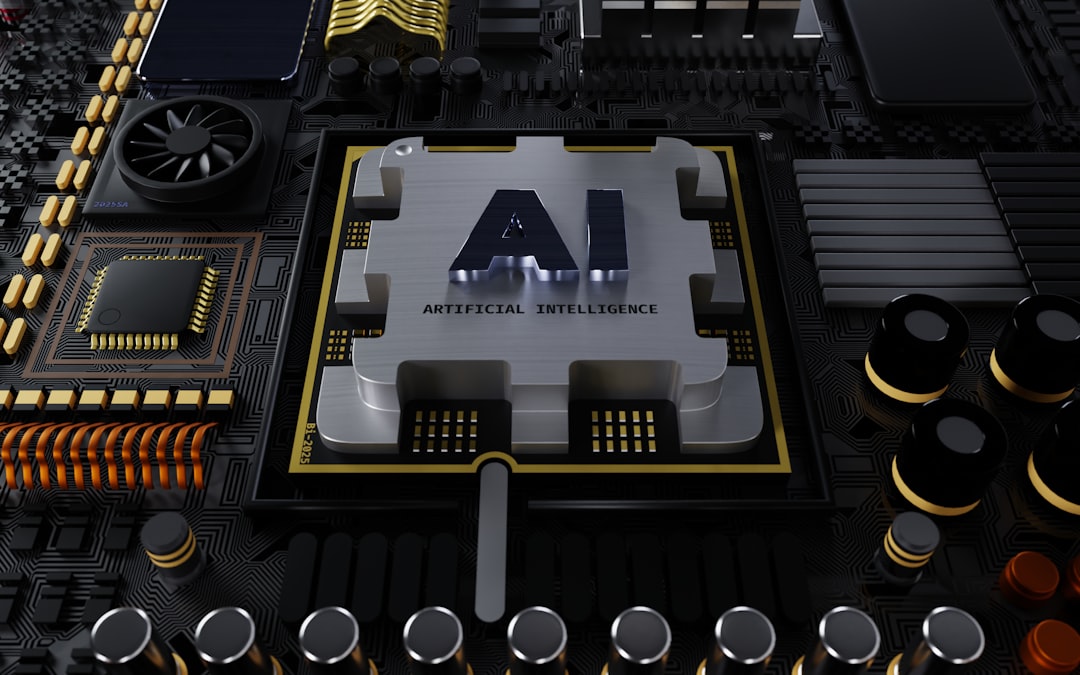
The year is 2026, and the question is no longer if AI will be integrated into game development, but how effectively it has been deployed. The industry has pivoted dramatically from early-stage generic asset generation to sophisticated, vertically integrated AI systems that are fundamentally reshaping the creation pipeline. For executives and stakeholders, understanding and adopting these AI-first strategies is not merely an advantage; it's a necessity for survival in a market that demands accelerated development cycles, enhanced player engagement, and robust IP protection.
Traditional game engines, while still relevant, are no longer sufficient for producing high-performance, competitive titles. The current paradigm shift demands tools that offer profound advantages in cost-efficiency, technical integration, intellectual property security, and discoverability within an increasingly data-driven market. This new era requires a critical evaluation of technologies that can deliver these benefits, moving beyond theoretical concepts to production-ready solutions.
Mastering Immersive Worlds with NVIDIA Omniverse and Modulus
For expansive, dynamic environments, the combination of NVIDIA Omniverse and its physics-ML extension, Modulus, stands out. This powerhouse duo moves beyond static procedural content generation by utilizing AI to predict and simulate physical interactions before rendering. The result is the creation of vast, realistic open worlds where dynamic weather patterns, destructible environments, and intricate debris placement are handled with unprecedented fidelity. This integration offers executives a significant reduction in time-to-market for ambitious world-building projects, a decrease in memory overhead, and the ability to market truly dynamic, physically accurate gameplay as a key differentiator.
Elevating Narrative and NPCs with Advanced LLM Integration
Real-time NPC dialogue powered by Large Language Models (LLMs) has become commonplace, but the challenge of latency and contextual memory persists. Neural Dialogue, a sophisticated middleware leveraging fine-tuned GPT-5 models, addresses this head-on. It meticulously manages the communication loop between game engines and LLMs, optimizing context windows and ensuring efficient state-saving for millions of concurrent NPCs. Its proprietary caching layer predicts player responses and pre-generates NPC replies, achieving latencies well under 150ms. Furthermore, built-in safety filters ensure NPCs remain in character and prevent the generation of problematic content, safeguarding a studio's reputation.
Intelligent Gameplay with InsightX Match
In the competitive arena of online multiplayer, AI-driven matchmaking and anti-cheat systems are paramount. InsightX Match represents a leap forward, offering robust solutions for player balancing and fair competition. This tool employs advanced machine learning algorithms to create highly optimized player pairings, ensuring equitable matches that enhance player retention and satisfaction. Simultaneously, its sophisticated anti-cheat mechanisms go beyond signature-based detection, utilizing behavioral analysis and predictive modeling to identify and neutralize fraudulent activity in real-time, thereby preserving the integrity of the gaming experience.
Streamlining Asset Creation with Synapse Creative Suite
The burden of asset creation is significantly alleviated by AI-powered suites like Synapse. This integrated platform streamlines the generation of high-fidelity 3D models, textures, and animations. By learning from existing art styles and asset libraries, Synapse can produce bespoke content that aligns with a project's aesthetic vision, dramatically reducing manual labor and accelerating the art pipeline. For executives, this translates to substantial cost savings and the ability to iterate more rapidly on visual concepts, ensuring a visually stunning product delivered on time and within budget.
Optimizing Performance with AI-Driven Debugging and Profiling
Finally, the complex task of performance optimization is made more manageable with AI-driven debugging and profiling tools. These intelligent systems analyze vast amounts of runtime data to pinpoint performance bottlenecks, memory leaks, and rendering inefficiencies with unparalleled speed and accuracy. Unlike traditional manual profiling, AI tools can identify subtle issues and suggest optimized code paths or asset configurations, leading to smoother gameplay and reduced development time spent on performance tuning. This ensures that even the most graphically demanding titles run flawlessly across a wide range of hardware, a critical factor for player satisfaction and market success.
Source Insight: This report was curated based on original coverage from medium.com.
Explore Kri-Zek
📱 Altered Brilliance App
Download on Google Play · Watch the Trailer
📖 The Power of Gaming
Watch the Video
🤝 Connect With Us
Kri-Zek on LinkedIn · Founder on LinkedIn · Happenstance
📸 Follow Us on Instagram
@krizekster · @krizek.tech · @krizekindia