Badge
Jun 24, 2026
The AI Revolution in Modern Game Development
Artificial intelligence is fundamentally transforming the video game industry, moving beyond basic enemies to create dynamic, living worlds.
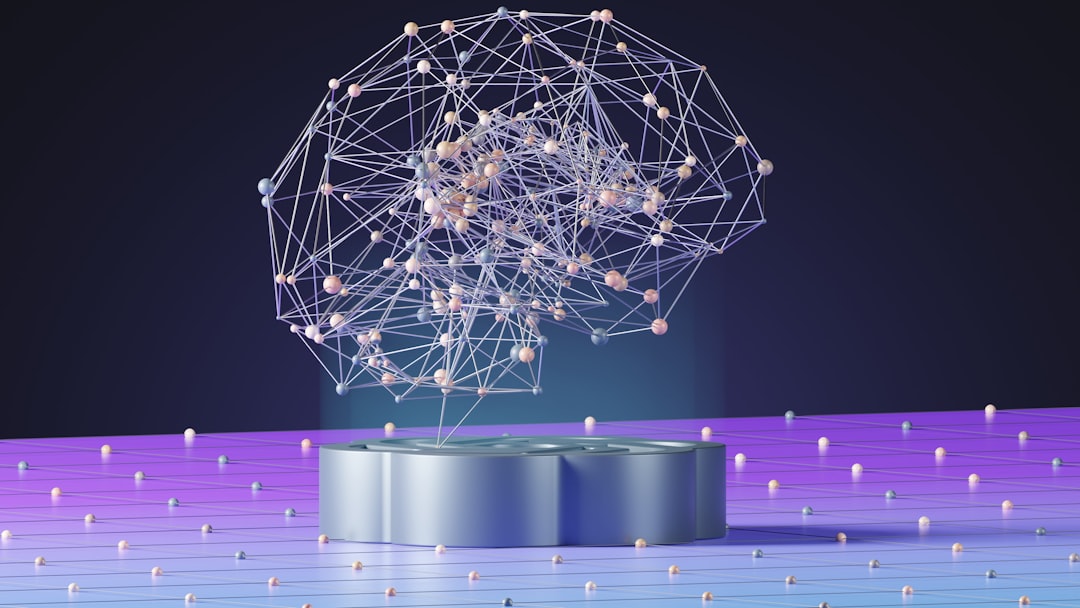
The video game industry stands at a pivotal juncture, poised for a dramatic transformation driven by advancements in Artificial Intelligence. For decades, the essence of game development revolved around meticulously crafted, static experiences. However, a new paradigm is emerging: the creation of dynamic, responsive, and living digital worlds. This profound shift is being catalyzed by the practical application of modern AI, transitioning it from a theoretical concept to a strategic asset that reshapes how games are designed, built, and scaled.
Evolving Non-Player Characters (NPCs)
One of the most immediate and impactful applications of AI in gaming is the evolution of Non-Player Characters (NPCs). Gone are the days of NPCs acting as predictable, repetitive automatons. Modern AI, particularly through the integration of Large Language Models (LLMs), is enabling NPCs to exhibit unprecedented levels of intelligence, adaptability, and emotional depth. These advanced NPCs can engage in more natural dialogue, make contextual decisions, and even learn from player interactions, creating a far more immersive and believable game world. This significantly elevates the quality of single-player narratives and even enhances the tactical depth in multiplayer environments.
Adaptive Gameplay Systems
Beyond character behaviors, AI is revolutionizing gameplay systems to offer truly adaptive experiences. Rather than static difficulty settings, AI algorithms can now dynamically adjust challenges, storylines, and even environmental elements in real-time based on a player's skill level, preferences, and performance. This ensures that the game remains engaging—neither too easy to bore nor too difficult to frustrate—thereby broadening accessibility and enhancing player retention. Such systems promise a personalized journey for each player, fostering deeper individual connections with the game.
Generative Asset Creation and Development Efficiency
Perhaps the most transformative aspect of AI's integration into game development lies in generative asset creation. AI tools are now capable of producing high-quality art assets, 3D models, textures, animations, and even environmental landscapes with astonishing speed and efficiency. This capability significantly reduces the time and cost traditionally associated with asset production, democratizing the creation of visually rich game worlds. It allows developers to iterate faster, experiment more freely, and allocate human talent to more complex, creative endeavors that AI cannot yet replicate.
The Economic Impact and Industry Shifts
This embrace of AI is not merely a technological upgrade; it represents a fundamental shift in the economics of game development. By automating strenuous, repetitive tasks and accelerating content generation, AI can drastically lower production costs while simultaneously increasing the volume and quality of in-game content. This economic advantage, coupled with the potential for more engaging and personalized player experiences, is driving every major game engine – from Unreal Engine to Unity – to rapidly integrate sophisticated AI tools and frameworks directly into their platforms.
The Synergy of Humans and AI
While AI offers immense capabilities, it is crucial to understand that it serves as a powerful co-pilot, not a replacement, for human creativity. The most successful implementations of AI will likely come from synergistic workflows where developers leverage AI to handle the heavy lifting of asset generation and system adaptation, freeing them to focus on innovative design, storytelling, and refining the core player experience. This collaboration promises gaming experiences that are richer, more expansive, and continually evolving.
Challenges and Ethical Considerations
However, the integration of AI also presents its own set of challenges. Questions around intellectual property for generative content, the potential homogeny of AI-created art, and the ethical implications of highly adaptive AI systems that might manipulate player behavior are all active areas of discussion and development. Ensuring transparency, fairness, and artistic integrity will be paramount as the industry navigates this new technological landscape.
The Future of Interactive Entertainment
In conclusion, the ongoing integration of Artificial Intelligence into game development marks a pivotal moment for interactive entertainment. It signals a departure from strictly authored experiences toward dynamic, living worlds that adapt and evolve alongside the player. The coming years will undoubtedly showcase games with unparalleled depth, personalization, and emergent gameplay, redefining what is possible within the digital realm and setting new benchmarks for player engagement and immersive experiences.
Source Insight: This report was curated based on original coverage from medium.com.
Explore Kri-Zek
📱 Altered Brilliance App
Download on Google Play · Watch the Trailer
📖 The Power of Gaming
Watch the Video
🤝 Connect With Us
Kri-Zek on LinkedIn · Founder on LinkedIn · Happenstance
📸 Follow Us on Instagram
@krizekster · @krizek.tech · @krizekindia