Badge
Apr 10, 2026
The Algorithmic Architect Transforming Interactive Entertainment
Artificial intelligence is no longer a futuristic concept in gaming; it's the driving force behind more immersive, personalized, and efficiently developed experiences.
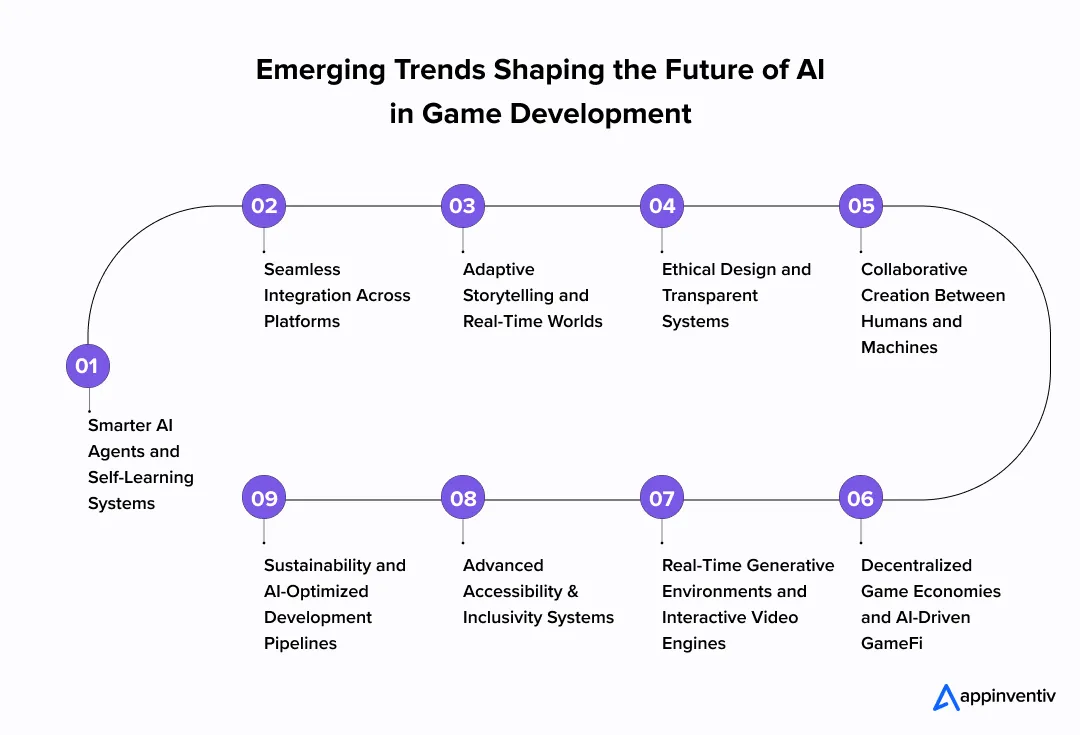
The landscape of video games is undergoing a profound transformation, spearheaded by the integration of artificial intelligence. Far beyond simply powering enemy behaviors, AI is becoming the core engine for creating richer, more responsive, and deeply personalized player experiences. This technological evolution is not just enhancing realism; it's fundamentally altering how games are conceived, developed, and enjoyed by millions worldwide.
The AI Foundation of Modern Gaming
At its heart, AI in games involves leveraging sophisticated technologies like machine learning, neural networks, and natural language processing. These tools allow developers to craft intelligent non-player characters (NPCs) that react dynamically to player actions, generate vast, ever-changing game worlds through procedural content generation, and weave adaptive narratives that respond to individual playstyles. As gamers increasingly seek immersive and lifelike virtual environments, AI provides the crucial intelligence to meet these expectations, making games feel alive and responsive in unprecedented ways.
The applications of AI within the gaming industry are diverse, spanning from AI-driven game testing and player behavior analysis to sophisticated in-game personalization and automation of complex development processes. With the concurrent rise of cloud gaming, augmented reality (AR), and virtual reality (VR), AI is proving indispensable for pushing the boundaries of interactive entertainment, enabling developers to overcome traditional design limitations and deliver truly engaging experiences.
Driving Forces Behind AI Integration
Several key factors are propelling the adoption of AI in the gaming market. Paramount among these is the surging demand for personalized gaming experiences. Players today anticipate not just engaging stories, but also mechanics that adapt to their choices and NPCs that feel genuinely aware. Machine learning and procedural generation are instrumental here, allowing for tailored gameplay that enhances replayability and player investment.
Furthermore, the drive for efficiency in game development is a significant catalyst. AI-powered tools can automate tedious and time-consuming tasks such as bug testing, level design, and game balancing. This frees up development studios to focus on creativity and innovation, accelerating production cycles and potentially reducing costs, which is particularly beneficial for smaller independent teams.
The proliferation of cloud gaming and powerful hardware also plays a vital role. Cloud platforms enable AI to be deployed at scale, delivering dynamic content and adaptive gameplay without introducing latency. Concurrently, AI-driven analytics offer developers invaluable insights into player behavior, allowing for more effective refinement of gameplay mechanics and monetization strategies.
Unlocking New Frontiers and Opportunities
The continuous evolution of AI presents a wealth of opportunities for innovation. Procedural content generation (PCG), powered by AI, is a prime example. This allows for the dynamic creation of game levels, quests, and even characters, vastly expanding creative possibilities and reducing the manual effort required for content production.
AI is also unlocking new potentials in player analytics and engagement systems. By analyzing player data, developers can better predict player churn, tailor in-game rewards, and adjust difficulty to maintain optimal engagement. This is especially critical in competitive markets like mobile gaming, where player retention directly impacts revenue. AI also promises to revolutionize multiplayer experiences through intelligent matchmaking and more sophisticated AI-controlled teammates or opponents.
The burgeoning fields of VR and AR gaming stand to benefit immensely from AI, enabling more natural interactions, improved spatial awareness, and a deeper sense of immersion. As these technologies mature and AI development tools become more accessible, the barrier to entry for creating cutting-edge gaming experiences will continue to lower, fostering greater diversity and innovation within the industry.
Navigating the Challenges Ahead
Despite its immense potential, the widespread adoption of AI in gaming is not without its hurdles. Ethical considerations surrounding player data are a significant concern. The extensive data required to train AI models raises privacy issues, necessitating strict adherence to data protection regulations and transparent communication with players to maintain trust.
The inherent complexity of AI development and integration also presents a challenge. Developing sophisticated AI systems requires specialized expertise and significant computational resources, which can be a barrier for smaller studios. Ensuring AI systems are fair, unbiased, and contribute positively to the player experience rather than detracting from it remains an ongoing area of research and development.
Source Insight: This report was curated based on original coverage from openpr.com.
Explore Kri-Zek
📱 Altered Brilliance App
Download on Google Play · Watch the Trailer
📖 The Power of Gaming
Watch the Video
🤝 Connect With Us
Kri-Zek on LinkedIn · Founder on LinkedIn · Happenstance
📸 Follow Us on Instagram
@krizekster · @krizek.tech · @krizekindia