Badge
May 26, 2026
The Algorithmic Muse Crafting Tomorrow's Game Narratives
AI is revolutionizing video game dialogue, promising deeper immersion and accelerated development. Explore the market's explosive growth and the innovations shaping interactive storytelling.
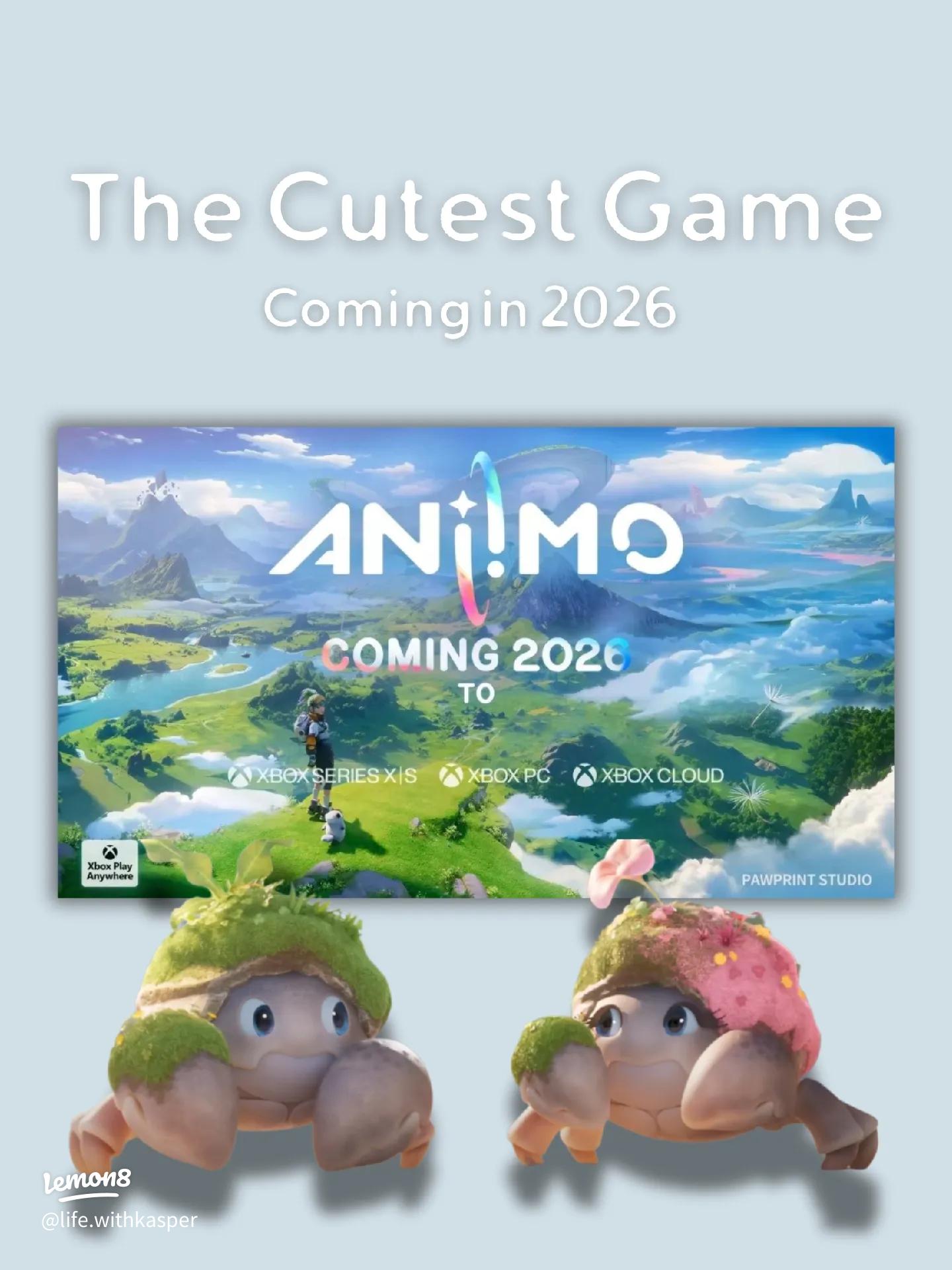
The landscape of video game development is undergoing a profound transformation, driven by the rapid integration of artificial intelligence into narrative creation. The AI-generated video game dialogue market, projected to surge from USD 1.59 billion in 2025 to an impressive USD 12.32 billion by 2035 with a compound annual growth rate of 22.72%, is a testament to this revolution. This burgeoning sector is fueled by an insatiable player demand for more interactive, immersive experiences that transcend the limitations of pre-scripted conversations.
Elevating Player Immersion and Agency
The core driver for this market expansion is the quest for Non-Player Characters (NPCs) that exhibit genuine, human-like behavior. Players increasingly expect NPCs to respond contextually to their actions, engage in dynamic conversations, and react naturally to the unfolding game world. Traditional scripting methods struggle to meet this demand, whereas AI, particularly Natural Language Processing (NLP) tools, can generate dialogue that feels organic and responsive. This shift is not merely about better dialogue; it's about fostering deeper player engagement and creating worlds that feel truly alive.
Accelerating Development Cycles
Beyond player experience, AI dialogue systems offer significant advantages for game developers. The increasing popularity of genres like Role-Playing Games (RPGs), simulation, and educational games, which rely heavily on rich narratives, presents a substantial opportunity. AI solutions can dramatically reduce the time and resources spent on manual dialogue scripting, with estimates suggesting a 30-50% reduction. This acceleration allows studios to streamline development pipelines, shorten time-to-market, and allocate creative energy to other critical aspects of game design.
Software Leading the Charge
The market segmentation clearly illustrates the dominance of software solutions, which held a 60.40% share in 2025. AI-powered dialogue engines and authoring tools are becoming indispensable assets for studios aiming to craft dynamic, context-aware NPC interactions efficiently. While services are the fastest-growing segment (22.04% CAGR), the foundational software infrastructure is currently powering the bulk of the innovation and adoption.
Cloud-Based Solutions Drive Scalability
Cloud-based deployment models are also a significant growth area, capturing 65.24% of the market in 2025 and showing a robust CAGR of 23.28%. This preference highlights the need for scalable, accessible AI infrastructure that can support the complex computational demands of generating realistic dialogue. Cloud platforms offer flexibility and cost-effectiveness, particularly appealing to studios of all sizes.
RPGs and Educational Games Take the Lead
By application, Role-Playing Games (34.20% in 2025) remain a dominant force, owing to their inherent reliance on narrative depth. However, educational games are emerging as a rapidly growing segment with a CAGR of 23.16%. This indicates a broader application of AI dialogue beyond entertainment, fostering interactive learning experiences and personalized educational content.
Emerging Markets Unlock New Audiences
A significant opportunity lies in the expansion of AI dialogue adoption in emerging markets across the Asia-Pacific, Latin America, and the Middle East. These regions boast rapidly growing gaming populations and increasing access to gaming hardware. AI's ability to facilitate multilingual content generation with cultural nuance allows developers to reach wider audiences more effectively and affordably, opening new revenue streams.
Navigating the Challenges of Adoption
Despite the promising outlook, the AI-generated dialogue market faces hurdles. The high implementation costs, encompassing infrastructure, cloud services, and specialized AI/ML engineering talent, can be prohibitive for smaller studios. Furthermore, continuous model training and testing are essential to ensure dialogue consistency and cultural appropriateness, adding complexity to development. The risk of generating inappropriate or nonsensical dialogue also poses a threat to player experience and brand reputation, necessitating careful oversight.
The Future of Interactive Storytelling
Ultimately, AI-generated dialogue represents a pivotal evolution in game design. It promises to deliver richer, more personalized player experiences, empower developers with more efficient tools, and expand the creative boundaries of interactive storytelling. As the technology matures and costs decrease, we can expect AI-driven narratives to become an even more integral part of the gaming ecosystem, shaping how we play and connect with virtual worlds.
Source Insight: This report was curated based on original coverage from snsinsider.com.
Explore Kri-Zek
📱 Altered Brilliance App
Download on Google Play · Watch the Trailer
📖 The Power of Gaming
Watch the Video
🤝 Connect With Us
Kri-Zek on LinkedIn · Founder on LinkedIn · Happenstance
📸 Follow Us on Instagram
@krizekster · @krizek.tech · @krizekindia