Badge
Apr 13, 2026
The Architect's Blueprint Crafting Immersive Game Worlds Through Narrative Design
Dive into the intricate art of narrative game design, exploring how storytelling, character development, and player choice converge to forge unforgettable interactive experiences.
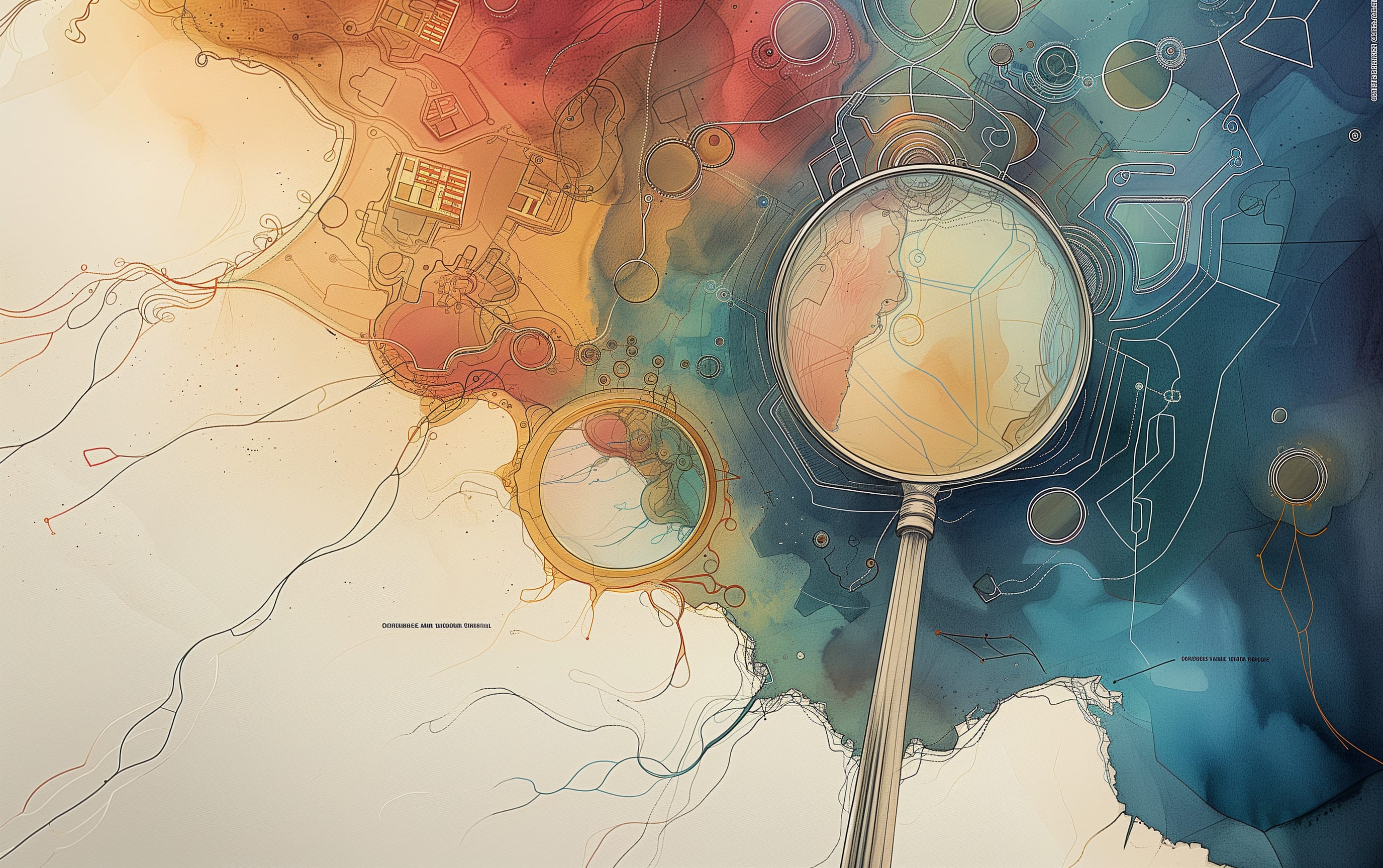
In the dynamic realm of video games, the power of a compelling narrative has ascended to become a cornerstone of truly memorable and immersive experiences. Narrative game design is a sophisticated discipline that masterfully intertwines gameplay mechanics, character arcs, and evolving storytelling to transport players into rich, interactive universes. This art form is crucial, breathing life into virtual worlds and forging an emotional connection that transcends the screen.
At its core, narrative game design is the deliberate craft of imbuing games with captivating stories, relatable characters, and intriguing worlds. It's the alchemy that fuses interactive mechanics with narrative progression, guiding players through experiences that resonate long after the credits roll. Beyond mere entertainment, it imbues player actions with meaning and elevates every decision, transforming gameplay into a personal journey.
Effective game narratives often extend beyond a singular, linear path. They embrace complexity through branching storylines and multiple endings, empowering players to actively shape the unfolding drama. This agency fosters a profound sense of investment, making the player an integral part of the narrative's creation. Characters are pivotal to this process, meticulously crafted with unique motivations and personalities. From steadfast allies to formidable antagonists, their presence enriches the gameplay, fostering emotional bonds that deepen player engagement.
The synergy between sound design, music, and narrative is equally vital. A carefully selected soundtrack can manipulate mood, amplify tension, or evoke powerful emotional responses, seamlessly complementing the on-screen events and reinforcing the narrative's impact. This holistic approach underscores the collaborative nature of narrative development, involving writers, designers, artists, and programmers working in concert.
Furthermore, modern narrative design increasingly prioritizes diversity and inclusion. Crafting stories that resonate with a global audience requires a nuanced understanding of universal themes like love, friendship, sacrifice, and redemption. Developers actively work to transcend cultural barriers, ensuring that characters and narratives speak to the shared human experience. This commitment often extends to comprehensive localization efforts, adapting dialogue, text, and user interfaces to cater to a wider linguistic spectrum, allowing players worldwide to immerse themselves fully.
Visual storytelling plays an equally potent role, conveying emotion and driving narrative momentum through expressive character animations, breathtaking environments, and impactful imagery. These elements communicate story beyond words, engaging players irrespective of their language proficiency.
The art and science of storytelling itself represent a fascinating dichotomy. As an art, it sparks imagination and emotion, painting vivid mental landscapes. As a science, it leverages psychological principles to forge emotional connections and maintain player engagement. Stories that evoke empathy allow players to understand and relate to characters' struggles, creating a powerful sense of belonging and drawing them deeper into the game's world.
Structuring a compelling game story often follows established narrative frameworks, such as the Hero's Journey. This typically begins with an Introduction to the world and protagonist, followed by an Inciting Incident that disrupts normalcy. The Rising Action builds tension through escalating challenges, leading to a Midpoint that signifies a turning point. The Climax represents the ultimate confrontation, after which the Falling Action allows for resolution, culminating in a Conclusion that ties up narrative threads and showcases the consequences of player choices.
It's essential to recognize that narrative design is more than just writing. While writers are central, narrative designers act as architects, aligning story with gameplay mechanics. They ensure that narrative elements enhance, rather than detract from, the interactive experience, often developing branching paths that respond dynamically to player choices. This holistic approach, focused on creating meaningful emotional journeys through the fusion of story and interaction, distinguishes narrative design as a unique and vital discipline within game development.
Source Insight: This report was curated based on original coverage from kevurugames.com.
Explore Kri-Zek
📱 Altered Brilliance App
Download on Google Play · Watch the Trailer
📖 The Power of Gaming
Watch the Video
🤝 Connect With Us
Kri-Zek on LinkedIn · Founder on LinkedIn · Happenstance
📸 Follow Us on Instagram
@krizekster · @krizek.tech · @krizekindia