Badge
Apr 15, 2026
The Art and Craft of Narrative Design in Interactive Entertainment
Explore the foundational principles of narrative design, a vital discipline shaping how stories unfold in video games.
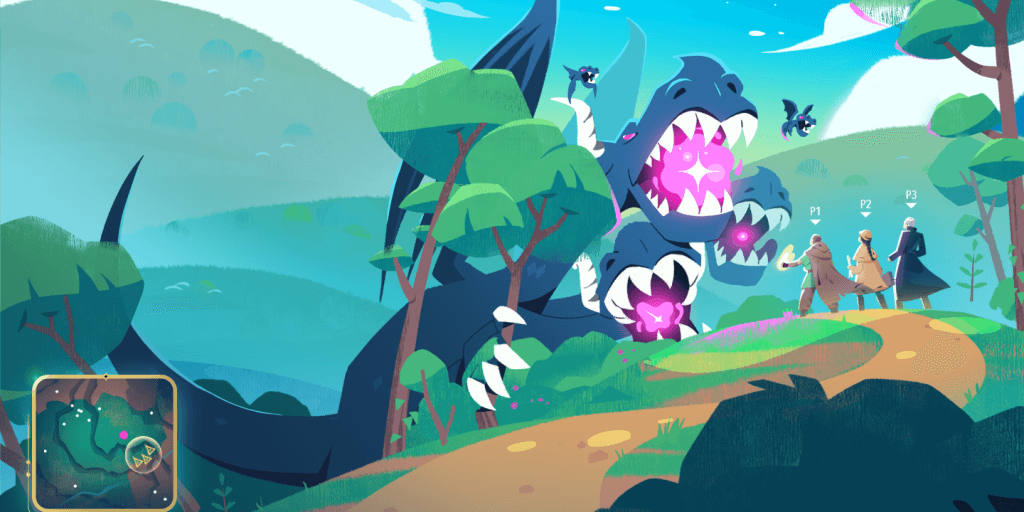
Narrative design, a relatively nascent yet increasingly critical discipline within the broader field of game development, focuses on the art and science of weaving compelling stories into interactive experiences. Emerging as a distinct specialization around 2006, its youth is a testament to its evolving nature and the constant innovation in how games engage players. While the landscape of narrative design continues to expand, with studios employing diverse approaches from writer-led integration to post-development polish, understanding its core tenets is paramount for aspiring professionals.
At its heart, narrative design is fundamentally a sub-discipline of game design. This means that a robust understanding of core game mechanics, player psychology, and overall game structure precedes specialization. Aspiring narrative designers must first cultivate their skills as general game designers, mastering the fundamentals before delving into the intricacies of storytelling within interactive media.
Distinguishing Narrative Design from Game Writing
It's crucial to differentiate narrative design from game writing. While both roles are deeply involved with story, narrative designers are typically not the primary authors of the plot, characters, or lore. Instead, their role is often to translate existing narrative concepts—scripts, pitches, or ideas—into tangible gameplay experiences. They act as the architects who build interactive frameworks around story elements, ensuring player actions and choices organically drive the narrative forward, thereby prioritizing the player's interactive journey.
The Interplay of Narrative Systems and Content
Narrative design often bifurcates into two primary areas of focus: narrative systems design and narrative content design. Narrative systems design involves creating the underlying mechanics and frameworks that facilitate storytelling. This can include dialogue trees, branching quest structures, player choice consequence systems, and world-building elements that react to player actions. The goal is to construct systems that allow the narrative to breathe and evolve dynamically based on player interaction.
Narrative content design, conversely, typically comes into play later in development and focuses on the tangible storytelling elements. This encompasses the creation of quests, non-player characters (NPCs), towns, and environmental storytelling moments. Specialists in this area translate narrative concepts into specific game content, considering how player choices and the overall flow of the game impact the unfolding story, turning static scripts into dynamic, interactive scenarios.
Defining "Good" Narrative Design
The definition of "good" narrative design is inherently contextual, heavily influenced by the specific goals and genre of a game. Whether a game emphasizes a linear, cinematic story or a complex, branching narrative, the effectiveness of its narrative design is measured against its overarching objectives. However, several guiding principles tend to hold true across most projects.
Prioritizing Gameplay Above All Else
While players often recall games through their narrative elements—memorable characters, epic plot points, or immersive worlds—it is the gameplay that forms the foundation of the interactive experience. Players must be engaged by the core mechanics first; without compelling gameplay, even the most brilliant narrative will go unnoticed or unappreciated. Narrative designers must be prepared to adapt or even alter story elements if doing so significantly enhances the player's experience and the overall quality of the game. The interactive mechanics of a game are inherently less flexible than its narrative, making gameplay the non-negotiable priority.
Seamless Integration and Player Agency
Effective narrative design ensures that story elements are not merely layered onto gameplay but are intrinsically woven into it. This means that narrative progression should feel like a natural consequence of player actions and choices, rather than a preordained path. Empowering players with meaningful agency—the sense that their decisions have a tangible impact on the world and its inhabitants—is a hallmark of sophisticated narrative design. This integration fosters deeper immersion and emotional investment, making the player an active participant in the unfolding story.
Source Insight: This report was curated based on original coverage from gamedesignskills.com.
Explore Kri-Zek
📱 Altered Brilliance App
Download on Google Play · Watch the Trailer
📖 The Power of Gaming
Watch the Video
🤝 Connect With Us
Kri-Zek on LinkedIn · Founder on LinkedIn · Happenstance
📸 Follow Us on Instagram
@krizekster · @krizek.tech · @krizekindia