Badge
Apr 6, 2026
The Ascendant Trajectory of Global Esports
The esports market is experiencing explosive growth, projected to surpass $6950 billion by 2031.
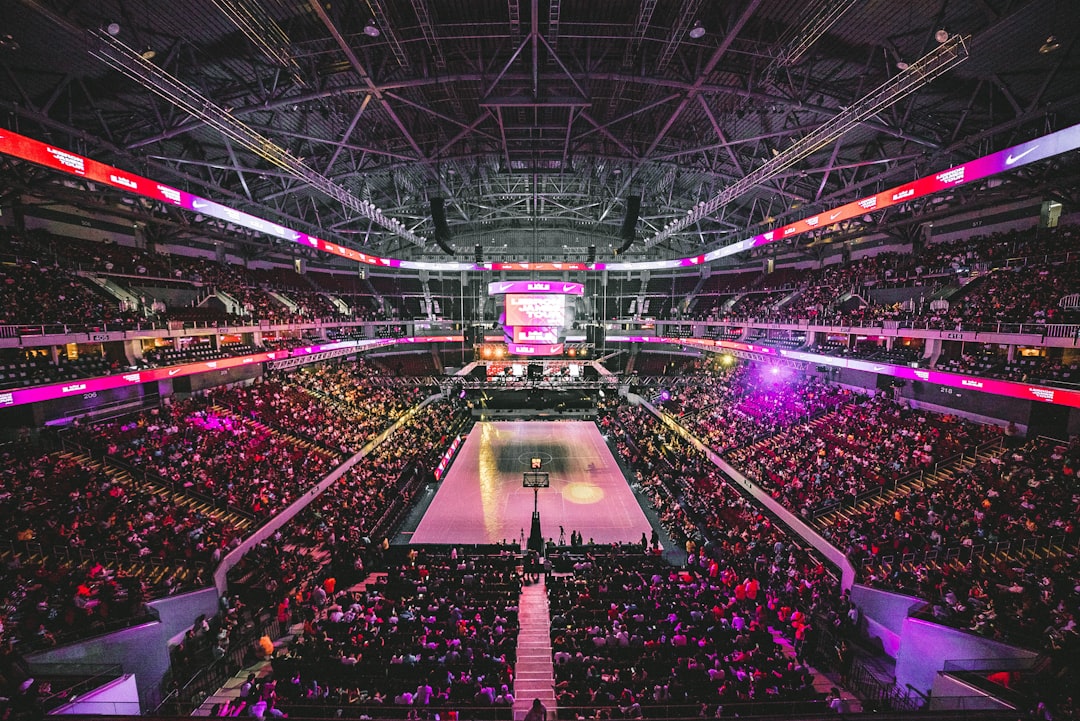
The global esports landscape has evolved dramatically from its nascent stages of informal LAN gatherings into a sophisticated, multi-billion dollar entertainment industry. This transformation is characterized by structured, publisher-backed leagues, cutting-edge broadcast technology, robust university talent pipelines, and a thriving creator-led fan economy that fuels unprecedented engagement.
From Niche Gatherings to Global Spectacle
Once confined to events like QuakeCon and the Cyberathlete Professional League, esports now operates under the auspices of major publishers such as Capcom, Sega, and NetEase. These entities orchestrate regulated competitive circuits for flagship titles like Street Fighter 6, Tekken 8, and Naraka Bladepoint. The modern esports ecosystem is defined by professionalized elements including transferable player contracts, dedicated coaching departments, scheduled training regimens, and data-driven performance analysis, setting it apart from casual gaming.
A Complex Ecosystem of Players and Organizers
The intricate web of global esports is supported by renowned teams like OG, Tundra Esports, and Sentinels, alongside prominent tournament organizers such as EVO, Intel Extreme Masters, and Blast R6 Major. These entities manage expansive cross-regional calendars spanning Asia-Pacific, Europe, the Middle East, Africa, North America, and South America, creating a truly international competitive arena.
The Power of Streaming and Creator Influence
Streaming platforms, from giants like Twitch and YouTube to emerging hubs like Kick and Trovo, serve as vital conduits for esports content. Personalities such as Pokimane, TheGrefg, and Gaules leverage these platforms to shape viewing habits through watch parties, live commentary, and in-depth analysis. Their influence extends across major social media channels including TikTok, Instagram, and Weibo, further amplifying fan engagement.
Educational Pathways and Technological Advancements
Universities worldwide, including the University of Utah and Full Sail University, are now offering degree-linked competitive gaming programs, feeding talent into amateur structures coordinated by organizations like FACEIT and NACE Starleague. Concurrently, technological innovations are revolutionizing production and performance. Epic's MetaHuman animator, Nvidia's Broadcast Suite, advanced motion capture, Riot's League Director, and VR developments from Meta and HTC are enhancing both the spectator experience and player development, while anti-cheat systems like Vanguard and VAC ensure fair play.
Infrastructure and Investment Fueling Growth
Dedicated esports stadiums and broadcast complexes, such as the Esports Stadium Arlington and the Katowice broadcast complex, serve as year-round hubs for training, content creation, and live competitions, cementing esports as a global entertainment phenomenon. The market is further propelled by significant investment from venture capital firms like a16z and SoftBank, alongside strategic funding from tech giants such as Tencent. Mergers and acquisitions, exemplified by the formation of the ESL FACEIT Group, continue to reshape the competitive distribution landscape.
Publisher-Led Dominance and Brand Integration
Publishers like Activision Blizzard, Ubisoft, and Epic Games are at the forefront, operating major leagues such as the Call of Duty League and the Fortnite Champion Series through various franchise and open-qualifier models. This direct involvement ensures the longevity and commercial viability of their titles as competitive products. Simultaneously, brand partnerships with major non-endemic companies, including Adidas, Mercedes-Benz, and Intel, are increasingly sophisticated, integrating esports into broader storytelling campaigns and crossover collaborations.
The Creator Economy's Enduring Impact
The creator economy remains a cornerstone of esports engagement. Personalities such as DrLupo and Nick Eh 30 are building extensive businesses around their personal brands, incorporating sponsorship activations, exclusive merchandise lines, and narrative-driven content. This creator-led approach continues to foster deep connections with global fanbases, driving sustained interest and participation.
The Global Esports Market is on an upward trajectory, with market size expected to exceed USD 6950.87 Billion by 2031, driven by a robust CAGR of 19.04% from 2026–31. This growth is underpinned by an accelerating cloud gaming infrastructure, providing low-latency access to competitive play for a wider audience globally. Services like Xbox Cloud Gaming and NVIDIA GeForce Now are democratizing access to high-performance gaming, thereby expanding the potential player and viewer base for esports.
Source Insight: This report was curated based on original coverage from bonafideresearch.com.
Explore Kri-Zek
📱 Altered Brilliance App
Download on Google Play · Watch the Trailer
📖 The Power of Gaming
Watch the Video
🤝 Connect With Us
Kri-Zek on LinkedIn · Founder on LinkedIn · Happenstance
📸 Follow Us on Instagram
@krizekster · @krizek.tech · @krizekindia