Badge
Mar 16, 2026
The Competitive Gaming Paradox Unpacking Frustration and Fulfillment
Competitive gaming offers immense thrills, but often leaves players feeling drained and unhappy. Discover the psychological factors at play and how to reclaim your enjoyment.
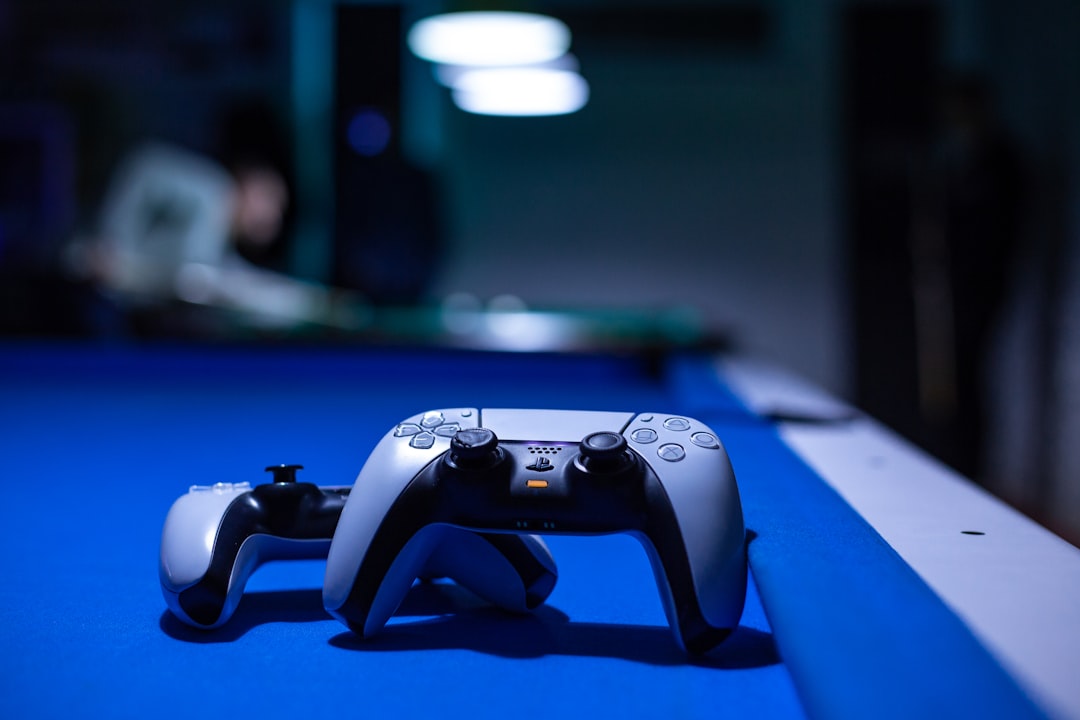
The allure of victory in competitive video games is undeniable, offering moments of exhilarating triumph. Yet, for many, these experiences are overshadowed by a persistent sense of frustration, toxicity, and even self-doubt. This dichotomy raises a critical question: Are the very games designed for competition inadvertently making us miserable?
The Digital Arena's Dark Side
The environment of competitive gaming is often rife with challenges that can negatively impact player psychology. Factors such as anonymity allow players to engage in toxic behavior with fewer perceived consequences, creating a breeding ground for harassment and negativity. Unlike real-world interactions where social repercussions are immediate, the digital veil of usernames and avatars enables a detachment from accountability.
Furthermore, randomized matchmaking exacerbates these issues. Players are often thrown together with strangers, with limited time to build synergy or understanding. This lack of consistent teamwork can lead to frustration, especially when coupled with the absence of long-term social connections, meaning there's little incentive for polite or cooperative behavior.
The Shadow of Competition
Studies have begun to explore the psychological toll of competitive gaming. Research indicates a correlation between competition anxiety and a player's belief in their own abilities, known as self-efficacy. High anxiety, stemming from negative feedback, self-doubt, or a perceived inferiority to opponents, can significantly lower a player's confidence.
Interestingly, different forms of anxiety can have varied effects. While general unease might hinder performance, negative appraisal from teammates or opponents, paradoxically, can sometimes act as a motivator for esports athletes, pushing them to perform better. However, for the average player, these anxieties are more likely to detract from overall enjoyment.
Navigating the Pitfalls
The core issue lies in the disparity between the structured, high-stakes environment of professional esports and the casual player experience. While professional athletes train to manage the intense pressures, most gamers are not equipped with such coping mechanisms. This can lead to a situation where the pursuit of higher ranks and performance becomes a source of stress rather than enjoyment.
Reclaiming the Joy
The key to mitigating these negative effects lies in a dual approach: understanding the external pressures of the gaming environment and cultivating an internal mindset that prioritizes well-being. Recognizing that ranks are merely digital markers and that the actions of others are often beyond our control is a crucial first step.
Cultivating a Healthier Gaming Experience
Strategies such as employing in-game mute functions, focusing on personal improvement rather than solely on outcomes, and taking breaks to engage in less competitive or single-player experiences can significantly alter one's relationship with gaming. Shifting the focus from external validation to the intrinsic joy of play can transform a potentially miserable experience into a rewarding one.
Ultimately, competitive video games do not have to be a source of misery. By understanding the psychological dynamics at play and proactively managing our engagement, players can navigate the challenges and rediscover the fun and fulfillment that these engaging digital worlds offer.
Source Insight: This report was curated based on original coverage from medium.com.
Explore Kri-Zek
📱 Altered Brilliance App
Download on Google Play · Watch the Trailer
📖 The Power of Gaming
Watch the Video
🤝 Connect With Us
Kri-Zek on LinkedIn · Founder on LinkedIn · Happenstance
📸 Follow Us on Instagram
@krizekster · @krizek.tech · @krizekindia