Badge
May 23, 2026
The Dawn of AI-Driven Game Development
Artificial intelligence is revolutionizing game creation, moving beyond simple asset generation to entirely new development paradigms. Discover how AI is reshaping the industry.
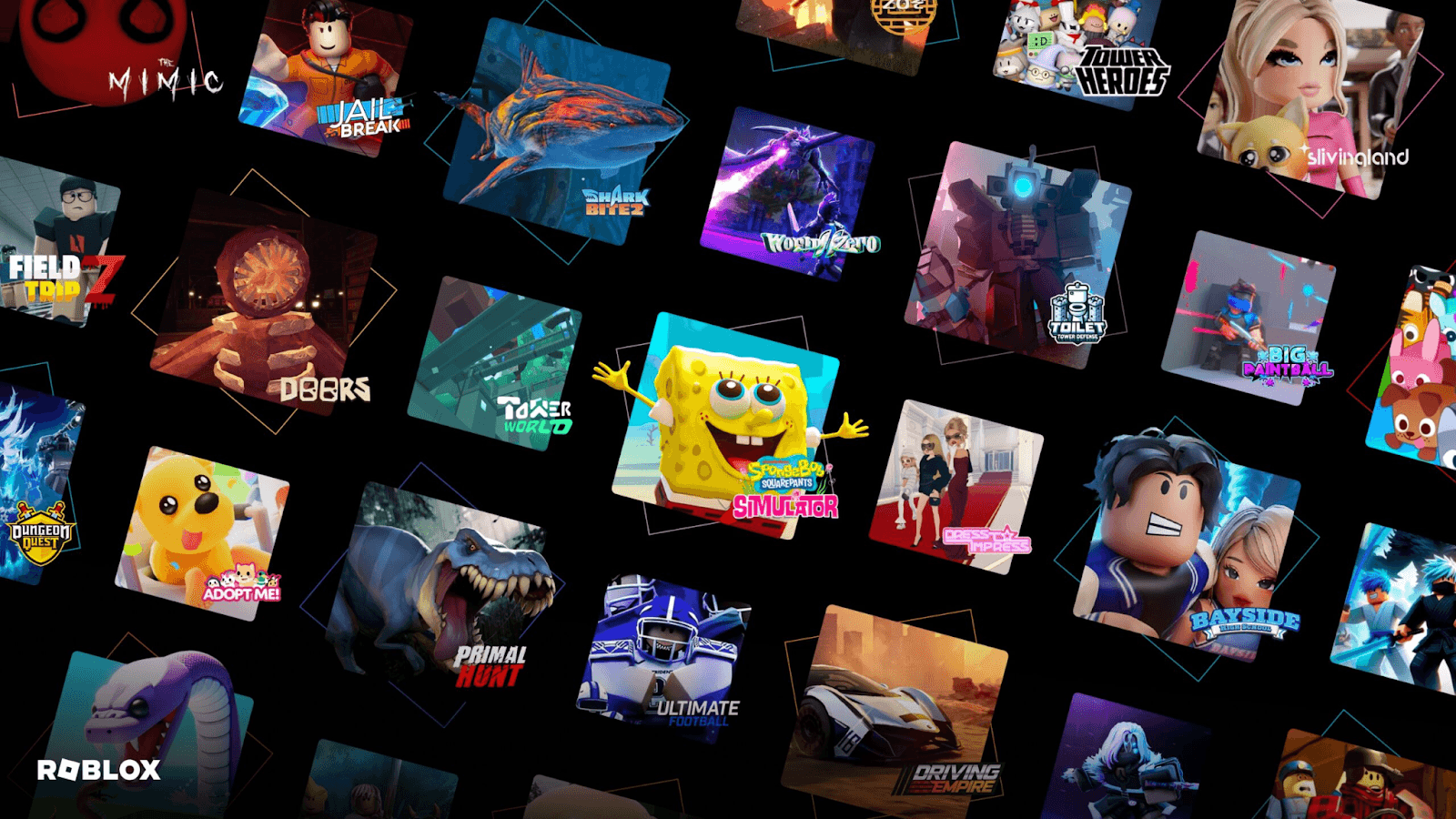
The landscape of game development is undergoing a seismic shift, driven by the rapid integration of Artificial Intelligence. What was once a painstaking, multi-disciplinary endeavor is becoming increasingly accessible, transforming the question from "Can I make a game?" to "How quickly can I bring my vision to life?" By 2026, developers have at their disposal a spectrum of AI-powered tools and methodologies that promise to accelerate the creation process dramatically.
Instant Prototyping: The New Frontier of Browser-Based Creation
For those with a nascent idea seeking immediate visualization, browser-based AI tools represent the "Flash game" equivalent of 2026. Platforms like Rosebud AI and Ludo.ai allow users to input simple natural language prompts, such as "create a flappy bird clone but with a dragon," and receive a playable HTML5 game within moments. This approach offers unparalleled ease of use and instant gratification, making game ideation accessible to a broader audience and facilitating rapid iteration on core concepts. However, this frictionless entry point often comes with limitations in complexity and portability, typically confining creations to web-based experiences rather than robust, multi-platform titles.
AI-Assisted Development: The Copilot in the Engine Room
Professional studios are increasingly integrating AI into their established workflows, adopting an "AI-assisted development" model. Tools within major engines like Unity (with its Muse feature) and Unreal Engine function as intelligent assistants, augmenting traditional processes. Developers can leverage these AI companions to generate C# scripts, create textures, or debug code directly within their familiar development environments. While this "copilot" approach maintains a high degree of control and fits seamlessly into existing pipelines, it can sometimes feel like an add-on rather than an integral part of the engine, still requiring deep technical knowledge to effectively stitch together AI-generated components.
AI-Native Engineering: Redefining the Development Paradigm
The most profound transformation is emerging from AI-native game engines. These platforms are architected from the ground up to be controlled and operated through natural language commands. Instead of meticulously crafting code or placing individual assets, developers can articulate desired outcomes. For instance, a prompt like "Create a 3D forest level with a first-person controller and a flashlight mechanic" can result in the engine generating the entire scene, configuring physics, writing necessary scripts, and populating the environment with models and textures. This paradigm shift enables what's termed "vibe coding," where the focus is on expressing the desired end-state, allowing AI to handle the intricate implementation details.
The Future Workflow: From Vibe to Systemic Creation
The key to unlocking the full potential of AI in game development lies in moving beyond mere asset generation to the creation of entire systems. The workflow of the future begins with defining the core loop and overall "vibe" through conversation with AI, enabling rapid prototyping. Iteration becomes a natural dialogue, with requests like "make the jump higher" or "add a double jump" seamlessly integrated. AI can then generate assets and apply them contextually, such as instructing the engine to "texture this ground with wet moss" rather than requiring manual import. While AI excels at rapid assembly, the workflow still crucially includes manual polishing for precise control, with engines like Summer Engine providing full access to underlying codebases like Godot for advanced customization.
Embracing the Director's Role
AI is rapidly democratizing game development, lowering the barrier to entry for new creators while empowering seasoned professionals with unprecedented efficiency. Whether for quick web-based experiments, augmenting existing complex projects, or pioneering entirely new AI-native approaches, the tools are becoming increasingly sophisticated. The ultimate evolution sees the developer acting as a director, orchestrating an AI-powered engineering team to realize ambitious visions at speeds previously unimaginable. This shift heralds an exciting new era, where creative expression and technical execution are more closely aligned than ever before.
Source Insight: This report was curated based on original coverage from summerengine.com.
Explore Kri-Zek
📱 Altered Brilliance App
Download on Google Play · Watch the Trailer
📖 The Power of Gaming
Watch the Video
🤝 Connect With Us
Kri-Zek on LinkedIn · Founder on LinkedIn · Happenstance
📸 Follow Us on Instagram
@krizekster · @krizek.tech · @krizekindia