Badge
Mar 9, 2026
The Dawn of AI Native Gaming
The gaming landscape has irrevocably shifted as AI transitions from a development tool to the very foundation of interactive experiences. While adoption soars, a critical tension emerges between unprecedented creative potential and the looming specter of low-quality 'gameslop'.
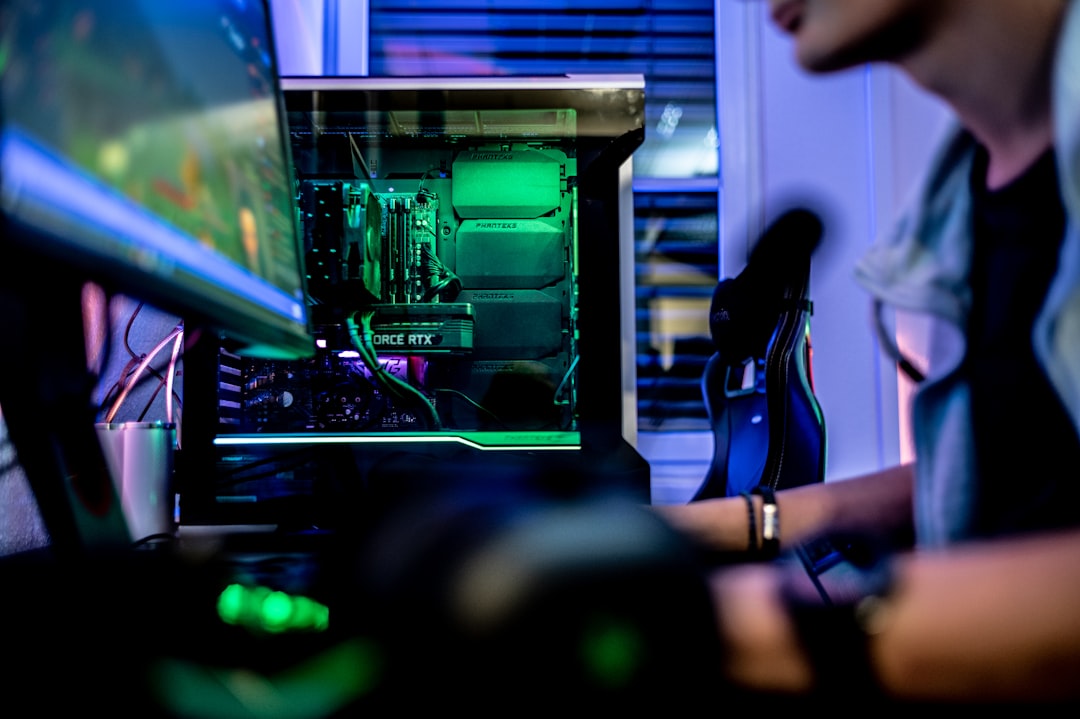
The year is 2026, and the phrase "AI generated game" has transcended experimental curiosity to become the vanguard of interactive entertainment. Artificial intelligence is no longer a mere tool in the developer's arsenal; it is the core infrastructure, the beating heart of new virtual worlds. This seismic shift is not hypothetical; it's a quantifiable reality. Over half of all game studios are now actively integrating AI, with Steam alone seeing a doubling of titles disclosing AI applications since 2024. The sentiment among developers and players alike, however, is a complex tapestry of excitement and apprehension, demanding a careful navigation of this new frontier.
This explosive growth, however, has cast a long shadow. Reports indicate a sharp rise in negative sentiment towards generative AI within the industry, a sentiment mirrored by a significant portion of the gaming populace. The proliferation of "gameslop"—low-effort titles churned out with minimal human oversight—threatens to saturate digital storefronts, dilute player trust, and tarnish the innovative potential AI offers. The industry stands at a crossroads, tasked with harnessing AI's boundless creative power without succumbing to a deluge of uninspired content.
Breaking the Chains of Traditional Development
For decades, game development has been constrained by the immutable laws of human labor and linear scaling. Budgets ballooned into the hundreds of millions for AAA titles, with years of meticulous work by vast teams yielding finite experiences. Indie developers, often a single visionary juggling multiple disciplines, faced insurmountable barriers to realizing ambitious concepts. AI-native development shatters these limitations, offering a paradigm where narrative can dynamically adapt, worlds can procedurally generate, and NPCs can exhibit unprecedented depth and consistency, liberated from the static limitations of handcrafted assets.
The Specter of "Gameslop" and Player Trust
The "gameslop" phenomenon, characterized by AI-generated titles lacking polish and creative direction, has emerged as a significant concern. A substantial portion of recent releases are heavily reliant on AI tools, leading to demonstrably lower review scores and increased refund rates compared to traditionally developed games. This trend highlights a critical challenge: ensuring that AI serves as an amplifier of human creativity and quality, rather than a shortcut to mediocrity. The sheer volume of AI-disclosed titles is projected to continue its ascent, underscoring the urgent need for robust curation and ethical development practices.
From Static Worlds to Evolving Realities
Handcrafted games, by their very nature, offer finite content. Dialogue trees are scripted, environments are fixed, and gameplay patterns become predictable. This inevitably leads to content exhaustion and a decline in player engagement, a stark contrast to the growing demand for dynamic, evolving experiences. The success of user-generated content platforms underscores a fundamental player desire for novelty and personalization, a desire that AI-native games are uniquely positioned to fulfill by creating emergent narratives and infinitely replayable worlds.
The Human Element in an AI-Driven Future
Despite the transformative capabilities of AI, a significant portion of game industry professionals express skepticism and concern. Fears of job displacement, ambiguities surrounding copyright, and the potential devaluing of traditional artistic craft are valid and must be addressed. The future of AI-native game development hinges not on replacing human creativity, but on augmenting it. Ethical frameworks, transparent development practices, and a focus on AI as a collaborative partner are paramount to fostering trust and ensuring that this technological revolution enriches, rather than diminishes, the art of game creation.
Navigating the AI Frontier Responsibly
The promise of AI-native game development is immense, offering unprecedented avenues for innovation, personalization, and accessibility. Platforms like Jenova, leveraging frontier AI models, provide immediate access to these transformative capabilities, empowering creators with specialized AI agents for everything from dynamic narrative generation to visual storytelling. However, the path forward requires a delicate balance. Developers must embrace AI not as a magic wand, but as a sophisticated instrument that, when wielded with intention, curation, and a deep understanding of player experience, can usher in a new golden age of interactive entertainment.
Source Insight: This report was curated based on original coverage from jenova.ai.
Explore Kri-Zek
📱 Altered Brilliance App
Download on Google Play · Watch the Trailer
📖 The Power of Gaming
Watch the Video
🤝 Connect With Us
Kri-Zek on LinkedIn · Founder on LinkedIn · Happenstance
📸 Follow Us on Instagram
@krizekster · @krizek.tech · @krizekindia