Badge
Jul 6, 2026
The Dawn of Infinite Worlds: AI's Transformative Role in Game Content Generation
Artificial intelligence is not just enhancing, but revolutionizing game development through advanced Procedural Content Generation (PCG).
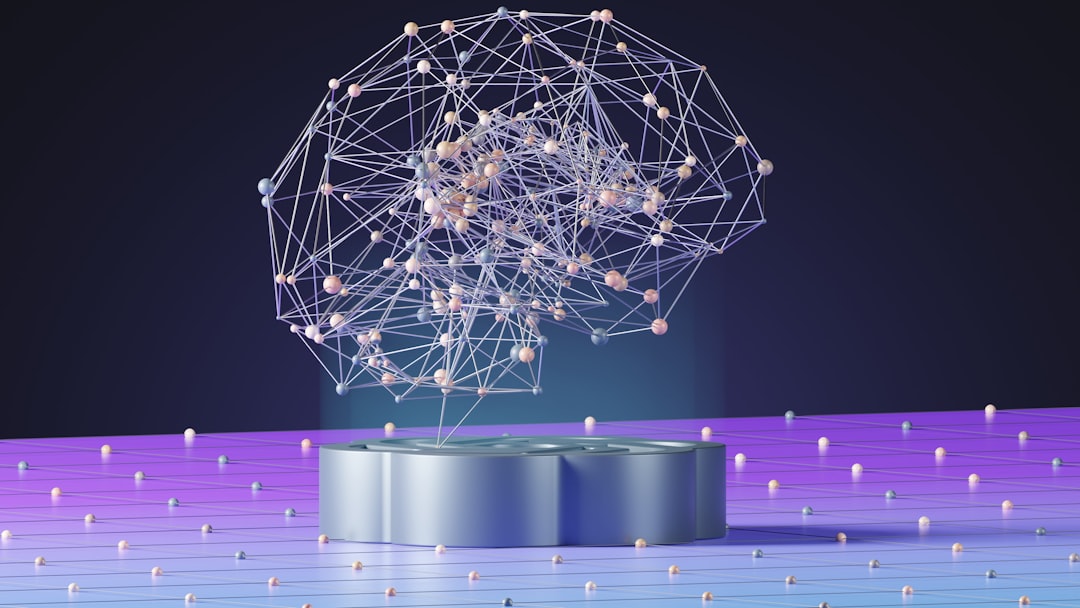
The landscape of video game development is undergoing a profound transformation, spearheaded by the integration of Artificial Intelligence (AI) into Procedural Content Generation (PCG). This synergy is revolutionizing how virtual worlds are conceived and constructed, moving beyond traditional manual creation to an era of dynamic, scalable, and infinitely varied gaming experiences. AI-powered PCG is not merely an efficiency tool; it's a catalyst for unparalleled creativity and immersive gameplay, enabling developers to craft expansive universes, intricate narratives, and diverse assets with unprecedented ease.
The Strategic Advantage of AI in PCG
PCG, in its essence, is the algorithmic creation of game content with minimal human oversight. By infusing AI, primarily through machine learning and deep learning, this process transcends basic randomization to create sophisticated, context-aware content. The benefits are manifold: scalability and efficiency allow for the rapid generation of colossal game worlds without proportional increases in development time. This translates to reduced costs, as the need for vast teams of artists and designers diminishes. Critically, AI fosters enhanced creativity by generating novel, unexpected content that can inspire new design directions, and significantly boosts replayability by offering unique experiences with each playthrough.
Pioneering Techniques for Dynamic Worlds
AI's influence permeates all facets of content generation. For procedural terrain generation, classic techniques like Perlin Noise and fractal algorithms are now augmented by neural networks trained on real-world topographical data, producing remarkably natural yet unique landscapes. In procedural character and asset generation, Generative Adversarial Networks (GANs) and deep learning models are employed to craft realistic textures, diverse character models, and fluid animations, ensuring that every inhabitant and object feels distinct and adapted to its environment. Procedural quest and narrative generation leverages tools like Markov Chains and Natural Language Processing (NLP) to weave dynamic storylines and responsive dialogues that adapt to player choices and game states.
Mastering Level Design with AI
Perhaps one of the most impactful applications of AI in PCG is in procedural level design. Algorithms such as Wave Function Collapse intelligently place tiles based on predefined rules, while Reinforcement Learning trains AI agents to construct levels that meet specific gameplay criteria, even adapting to player skill and preferences. This ensures a perpetually fresh and engaging challenge, a cornerstone for games aiming for high replay value.
Industry Leaders Forging Ahead
Several pioneering studios have already demonstrated the transformative power of AI-driven PCG. Hello Games famously utilized AI in No Man's Sky to generate entire galaxies, replete with unique planets, ecosystems, and creatures, creating a virtually infinite universe. Ubisoft leveraged AI in Watch Dogs: Legion to populate its London with a distinct and incredibly diverse cast of NPCs, each possessing unique appearances, behaviors, and backstories, significantly enhancing immersion. Indie successes like Spelunky and Dead Cells by Motion Twin showcase AI's prowess in crafting challenging and dynamically varied dungeon layouts and enemy placements, ensuring a fresh experience every time players dive in.
A Developer's Roadmap to AI-Driven PCG
For game developers looking to harness this technology, a structured approach is key. The journey begins with clearly defining PCG goals—identifying what specific content will be procedurally generated and its scope within the game. Next is to choose the right algorithms and tools, selecting between established techniques like Perlin Noise or cutting-edge AI frameworks like TensorFlow and PyTorch. Training AI models requires meticulous data collection and rigorous validation to ensure high-quality output. Crucially, integrating AI into the development pipeline seamlessly, ensuring efficient workflows and continuous iteration, is paramount. Finally, diligent optimization for performance and quality guarantees that AI-generated content not only looks good but also runs efficiently and consistently meets the game's aesthetic and functional standards.
The Future of Game Creation
The resources available for developers are continually expanding, from foundational books like Procedural Content Generation in Games by Shaker, Togelius, and Nelson to advanced research papers and online courses. These tools empower developers to deepen their understanding and practical application of AI in PCG.
A New Horizon for Gaming
AI-driven Procedural Content Generation is undeniably a game-changer, fundamentally reshaping the video game industry. By automating the creation of diverse and complex game content, AI not only slashes development time and costs but also profoundly amplifies creativity and player engagement. The success stories of studios like Hello Games, Ubisoft, and Motion Twin serve as powerful testaments to the immense potential of AI in PCG. For developers ready to embrace these advanced methodologies, the promise is clear: delivering richer, more dynamic, and virtually limitless game worlds to players worldwide.
Source Insight: This report was curated based on original coverage from getgud.io.
Explore Kri-Zek
📱 Altered Brilliance App
Download on Google Play · Watch the Trailer
📖 The Power of Gaming
Watch the Video
🤝 Connect With Us
Kri-Zek on LinkedIn · Founder on LinkedIn · Happenstance
📸 Follow Us on Instagram
@krizekster · @krizek.tech · @krizekindia