Badge
Mar 9, 2026
The Dawn of Intelligent Worlds Simulation in Gaming
Step into 2026 where AI is not just a feature, but the very fabric of gaming. Explore the frontier of simulation experiences, from dynamic NPCs to procedurally generated universes, and discover how you can become a creator.
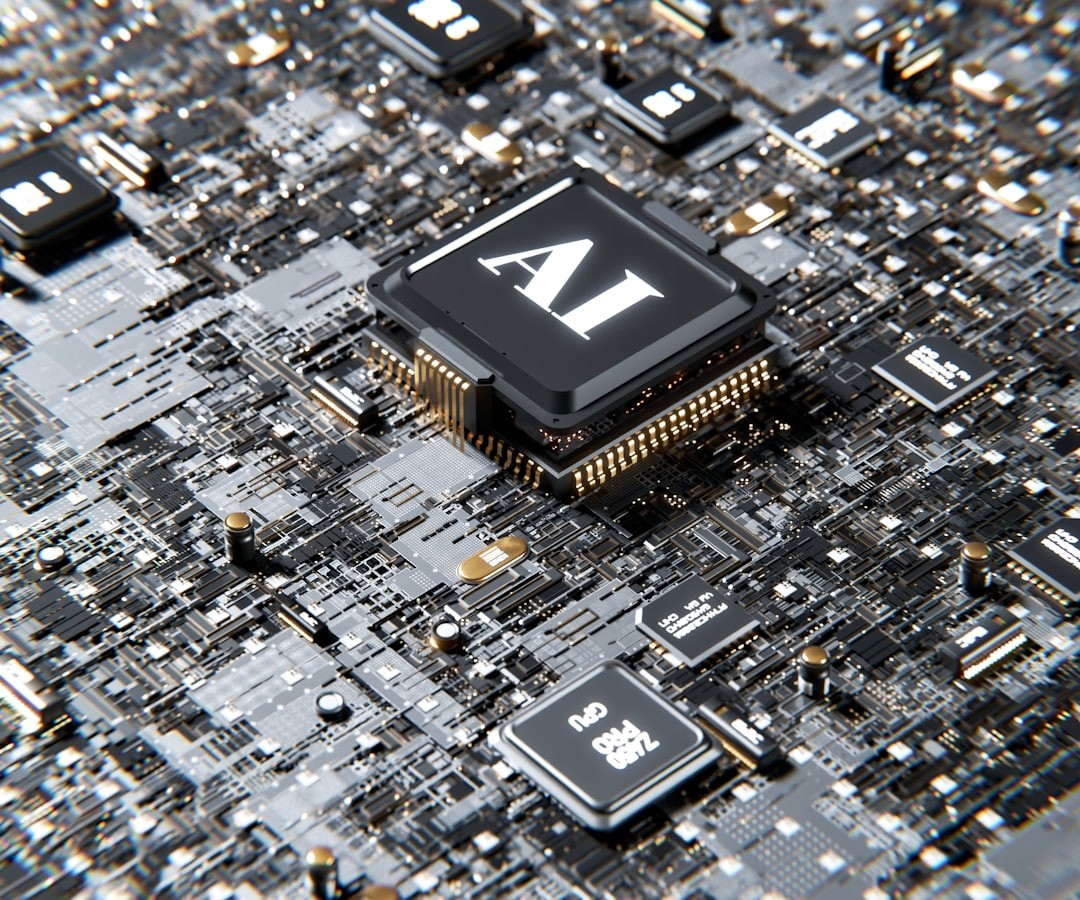
The year is 2026, and the gaming landscape has been irrevocably reshaped by the pervasive influence of Artificial Intelligence. Gone are the days of rigid, predictable game worlds; we are now immersed in simulations that breathe, learn, and evolve. AI-powered games are no longer a distant dream but a tangible reality, offering unprecedented levels of immersion and player agency. At the heart of this revolution are intelligent NPCs, driven by sophisticated neural networks and large language models. These characters possess memory, engage in contextually rich dialogues, and react dynamically to unforeseen player actions, moving far beyond the limitations of traditional finite state machines and pre-scripted dialogue trees.
The Genesis of Dynamic Game Worlds
Procedural generation, once a tool for creating vast but often repetitive landscapes, has been supercharged by AI. Instead of relying on rigid algorithms, AI models trained on design patterns and genre conventions can now craft entire game worlds, complete with architecture, quests, and lore that are not only novel but contextually appropriate. This means gothic settings feel genuinely unsettling, and alien planets possess a believable ecosystem, all generated with an understanding of design principles that imbues these worlds with a sense of purpose and authenticity. The speed at which these worlds and their inhabitants can be conceived and realized is staggering, marking a paradigm shift in development.
Revolutionizing Creation and Education
This technological leap dramatically lowers the barrier to entry for game creation. Platforms like SEELE AI are at the forefront, enabling individuals to generate playable game prototypes from simple natural language descriptions in mere minutes. This "text-to-game" paradigm democratizes game development, eliminating the need for extensive coding, 3D modeling, or animation expertise. Users can describe their vision – mechanics, characters, narrative – and watch as AI translates these concepts into interactive experiences, complete with AI-generated assets and intelligent NPCs. This not only accelerates development cycles by an order of magnitude but also opens up new avenues for educational applications, allowing students to experiment with game design principles through intuitive, descriptive interfaces.
The Evolution of Simulation Depth
The impact of AI extends into the very simulation mechanics that define these games. Complex systems, from ecological simulations to intricate economic models, can be rendered with a fidelity previously unattainable. AI algorithms can manage dynamic environmental changes, predict player behavior to adapt difficulty in real-time, and create emergent gameplay scenarios that feel organic and unscripted. This leads to experiences that are not only more engaging but also uniquely tailored to each player's journey, fostering a deeper connection with the game world and its challenges.
AI NPCs The New Frontier of Interaction
Perhaps the most profound change is felt in player interaction. AI-driven NPCs are evolving from mere quest-givers or combatants into sophisticated conversational partners. Their ability to recall past interactions, understand nuanced prompts, and generate unique, personality-driven responses transforms NPCs into dynamic entities that enhance narrative depth and player immersion. This moves us closer to games that are less about mastering mechanics and more about navigating complex social and environmental simulations.
The Future A Canvas of Infinite Possibilities
Looking ahead, the integration of AI in simulation games promises even more sophisticated experiences. We can anticipate fully realized AI-driven economies within games, AI directors that dynamically craft narratives based on player choices, and AI-generated content that continues to surprise and delight long after initial release. The boundary between player and creator is blurring, with AI acting as both a powerful tool and an intelligent collaborator in the ongoing evolution of interactive entertainment. The potential for personalized, ever-evolving game worlds is limitless.
Embracing the AI Game Revolution
The current AI game development tools represent a monumental shift, drastically reducing development timelines for everything from concept to asset generation. Where traditional methods could take months for a simple game, AI platforms can deliver playable prototypes in minutes. This acceleration, coupled with the intuitive nature of natural language interfaces, means that the future of simulation gaming is accessible to a broader audience than ever before. Whether you are a seasoned developer looking to innovate or a curious newcomer eager to bring your ideas to life, the tools and experiences are now within reach.
Source Insight: This report was curated based on original coverage from seeles.ai.
Explore Kri-Zek
📱 Altered Brilliance App
Download on Google Play · Watch the Trailer
📖 The Power of Gaming
Watch the Video
🤝 Connect With Us
Kri-Zek on LinkedIn · Founder on LinkedIn · Happenstance
📸 Follow Us on Instagram
@krizekster · @krizek.tech · @krizekindia