Badge
Mar 25, 2026
The Dawn of Intuitive App Development: Mastering No-Code AI Tools in 2026
Discover how 2026's advanced no-code AI platforms are democratizing app creation. Build, automate, and scale complex applications using natural language, transforming ideas into reality without wri...
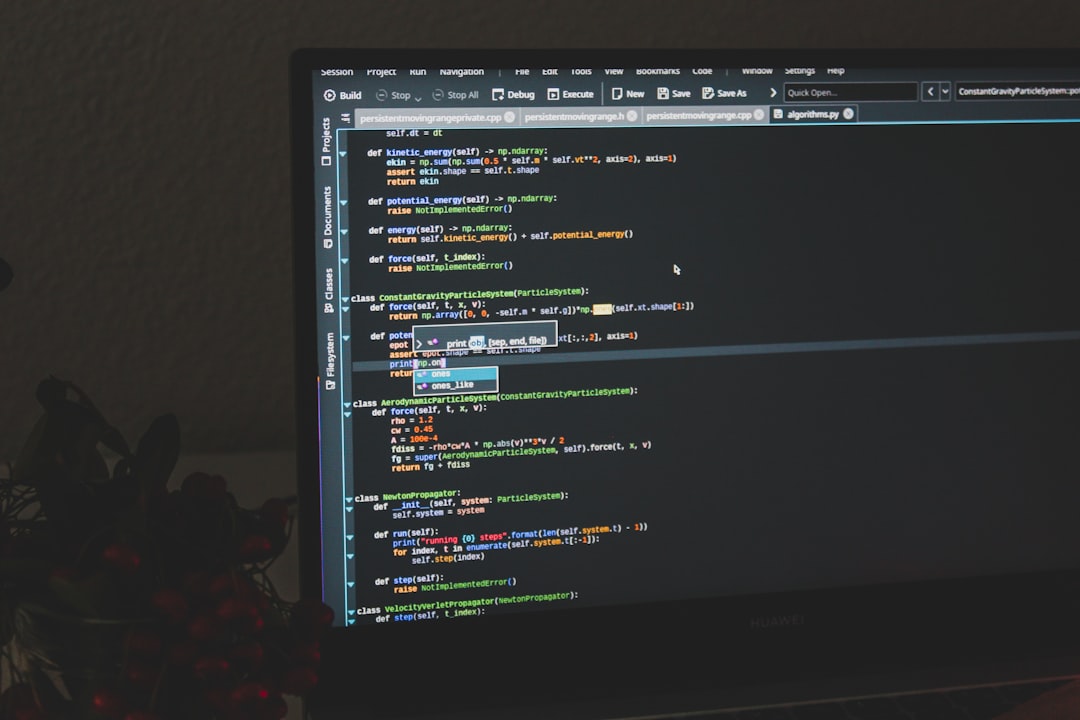
In 2026, the landscape of software development has undergone a profound transformation, ushering in an era where the power to build, automate, and scale applications is no longer confined to seasoned coders. No-code AI tools have emerged as the vanguard of this revolution, empowering individuals and businesses to translate natural language concepts into functional, production-ready software. Platforms like Replit, Bubble, and Zapier are at the forefront, harmonizing AI agents, intuitive visual builders, and extensive integration capabilities to accelerate delivery, reduce operational costs, and streamline complex workflows across the entire SaaS ecosystem.
Gone are the days of protracted development cycles involving weeks of intricate coding. Today's AI-driven tools enable users to articulate their app ideas through simple language, with AI agents subsequently generating the necessary functionality and even handling deployment. This paradigm shift allows for the creation of web applications, mobile apps, and internal tools with sophisticated features like authentication, databases, and AI assistants, all achieved without traditional programming.
Understanding the Power of No-Code AI
No-code platforms fundamentally abstract the complexity of programming, offering drag-and-drop interfaces and visual workflows that make app development accessible to a broader audience. The integration of AI supercharges these platforms, introducing natural language processing for creation, sophisticated AI models for intelligent decision-making, and automated deployment pipelines. This combination transforms intricate backend logic into easily understandable visual processes, democratizing software creation.
While pure no-code solutions eliminate coding entirely, many modern platforms offer a hybrid approach, incorporating low-code capabilities. This allows for a quick start with no-code simplicity, while providing the flexibility for optional scripting and customization when deeper control is needed. The result is a versatile toolset capable of building everything from intelligent chatbots and automated cross-SaaS workflows to robust mobile applications.
The AI Catalyst for No-Code Adoption
The rapid advancements in large language models (LLMs), exemplified by tools from OpenAI and Microsoft, have been a significant driver behind the surge in no-code AI adoption. AI coding assistants now shoulder the burden of generating boilerplate code, designing user interfaces, and guiding users through the development process with real-time, intelligent suggestions. This augmented development experience significantly reduces friction and accelerates the path from concept to completion.
AI agents are increasingly capable of managing the entire application lifecycle, from creation and testing to deployment and ongoing optimization. Platforms like Replit are embedding these autonomous agents directly into their development environments, allowing users to iterate and refine applications without ever needing to switch contexts. This seamless integration represents a significant leap forward in developer productivity and autonomy.
Empowering the Citizen Developer and Enterprise
Within organizations, the rise of no-code AI tools has empowered "citizen developers" – individuals outside of traditional IT departments who can now automate tasks and build internal tools. This alleviates the burden on engineering teams, allowing operations, marketing, and customer success departments to streamline reporting, automate lead scoring, and develop AI-powered customer service bots using intuitive visual interfaces that clearly articulate their functionality.
This trend is not limited to internal applications. Startups and established enterprises alike are leveraging these tools to compress development timelines, cut costs, and democratize software creation, fostering innovation across all levels of an organization. The ability to bridge creative vision with technical execution without extensive coding expertise is a powerful competitive advantage.
Navigating the No-Code AI Ecosystem
Selecting the right no-code AI tool involves evaluating criteria such as ease of use, the sophistication of AI integrations, the depth of connectivity with existing SaaS platforms, and the platform's scalability. Considerations also extend to transparent pricing models that align with usage needs and demonstrable return on investment through customer success stories. While platforms like Replit offer integrated AI agents for full-stack development, others like Bubble excel in building complex web applications with extensive visual logic. For pure workflow automation, Zapier provides robust AI-powered actions, while tools like Airtable and Obviously AI focus on data-driven workflows and predictive analytics, respectively.
The market also includes specialized solutions such as Appy Pie for mobile app and chatbot creation, Levity for custom AI model training, Adalo for cross-platform mobile app development, and BuildFire for enterprise-grade mobile solutions. Each platform offers a unique blend of features designed to meet specific development needs, underscoring the versatility and growing maturity of the no-code AI space in 2026.
Source Insight: This report was curated based on original coverage from replit.com.
Explore Kri-Zek
📱 Altered Brilliance App
Download on Google Play · Watch the Trailer
📖 The Power of Gaming
Watch the Video
🤝 Connect With Us
Kri-Zek on LinkedIn · Founder on LinkedIn · Happenstance
📸 Follow Us on Instagram
@krizekster · @krizek.tech · @krizekindia