Badge
Mar 31, 2026
The Digital Mindset Gaming's Dual Impact on Mental Well-being
Video games have evolved into a massive industry, impacting players across all demographics.
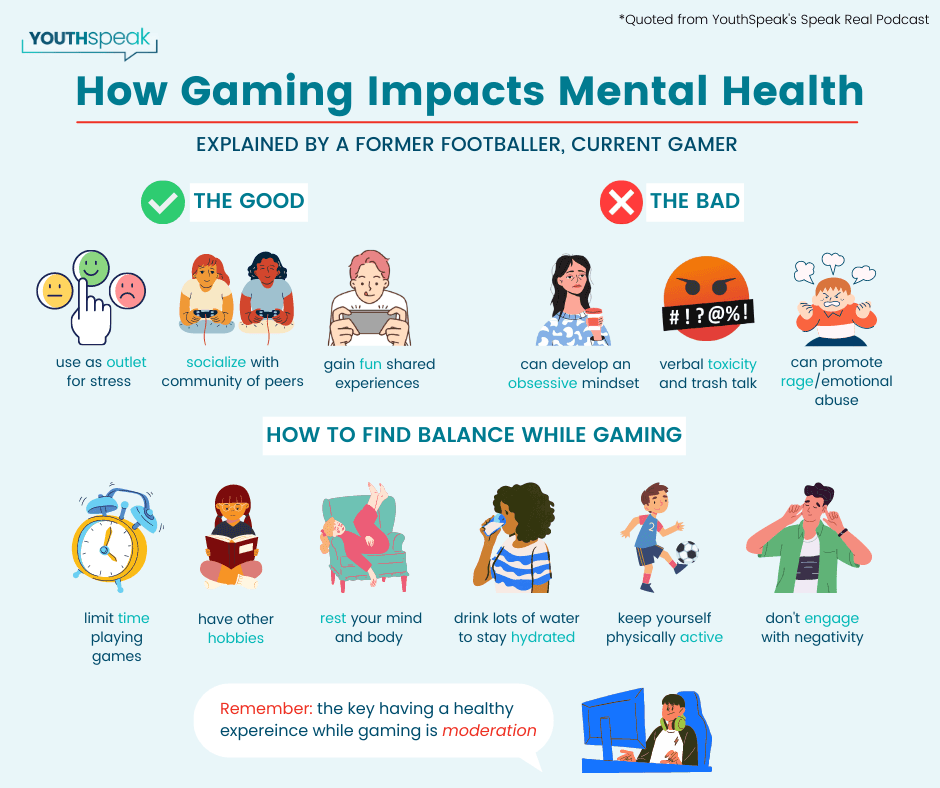
Once confined to arcades and living-room consoles, video games have evolved into a multi-billion dollar global industry and a cultural phenomenon, captivating players across every demographic. As countless hours are spent immersed in digital worlds, a crucial question emerges: what is the actual impact of this engagement on our minds? At Nurture Your Nature Psychotherapy, we often discuss with clients the intricate relationship between their gaming habits and mental health. The reality is nuanced; gaming can be a powerful tool for connection, cognitive enhancement, and emotional regulation, but it also carries potential risks, including isolation, anxiety, and compulsive behaviors.
The evolution of gaming, from the simple mechanics of Pac-Man to the complex, immersive metaverses of today, has significantly amplified its psychological stakes. Modern games often feature deep narratives, social interaction features, customizable avatars, and sophisticated reward loops. A single session of a game like Fortnite can demand strategic thinking, teamwork, and rapid decision-making under pressure, mirroring real-world stressors. The brain's response to these virtual challenges—the surge of cortisol during intense moments or the dopamine rush from a virtual victory—can profoundly affect neural pathways, much like any other deeply ingrained behavior.
On the positive side, gaming offers substantial benefits for mental wellness. It can induce flow states, a psychological sweet spot characterized by deep immersion and reduced rumination, leading to increased well-being. Light-hearted or whimsical games provide a valuable form of escapism, offering a healthy distraction from daily stressors. Furthermore, multiplayer modes in many games foster social connection, encouraging teamwork, communication, and shared problem-solving. For individuals struggling with social anxiety, online gaming can serve as a low-stakes environment to practice and build essential communication skills. The sense of belonging derived from game communities, such as guilds or esports teams, can be a significant protective factor against loneliness.
Beyond social benefits, gaming demonstrably enhances cognitive functions. Fast-paced action titles, in particular, require and improve working memory, the ability to shift attention, and anticipatory planning. Navigating complex 3D environments or managing multiple units in real-time strategy games exercises spatial reasoning and multitasking abilities in ways traditional academic pursuits cannot. Gaming can also aid in emotion regulation by providing controlled challenges where players learn persistence and emotional agility in response to in-game setbacks. Emerging VR technologies even offer potential for therapeutic applications, like biofeedback integration for exposure therapy.
However, the digital realm is not without its shadows. The World Health Organization has recognized "Gaming Disorder" as a condition characterized by impaired control over gaming, prioritization of gaming over other activities, and continuation despite negative consequences. The symptoms often mirror those of substance addictions, including cravings, irritability during withdrawal, and a need for increased playtime to achieve the same satisfaction. This compulsive use can lead to significant life disruption.
Sleep disruption is another major concern. The blue light emitted from screens interferes with melatonin production, while the arousal from late-night gaming can fragment REM sleep, potentially exacerbating existing mood disorders. Furthermore, the highly social nature of many games can lead to toxic interactions, where harassment or competitive pressures can heighten anxiety, depression, and anger. The constant comparison with elite streamers or highly skilled players can also erode self-esteem among viewers who measure themselves against seemingly impossible standards.
Beyond the psychological, a sedentary lifestyle associated with prolonged gaming sessions poses risks to physical health, including back pain, metabolic issues, and reduced cardiovascular fitness, which can, in turn, negatively impact mental well-being. It is crucial to acknowledge these physical ramifications when assessing gaming's overall impact.
Research increasingly supports this dual perspective. Studies, like one from the Oxford Internet Institute, suggest that moderate play can correlate with higher life satisfaction. Conversely, other research, such as findings published in the Journal of Adolescence, indicates that excessive play among teens can predict increased depressive symptoms. Excitingly, therapeutic avenues are also emerging, with games like SPARX proving effective in reducing adolescent depression and FDA-cleared applications like EndeavorRx designed to treat ADHD. VR is also being utilized for exposure therapy, allowing patients to confront phobias in a controlled virtual environment.
Ultimately, balancing gaming with well-being requires intentionality. Setting clear time limits, creating a sleep-friendly environment by powering down devices an hour before bed, integrating physical movement through active games or short breaks, and consciously fostering offline connections are vital strategies. By understanding both the potential benefits and pitfalls, gamers can cultivate a healthier, more fulfilling relationship with their digital passions, ensuring that their virtual adventures enhance, rather than detract from, their overall mental health.
Source Insight: This report was curated based on original coverage from nurtureyournaturepc.com.
Explore Kri-Zek
📱 Altered Brilliance App
Download on Google Play · Watch the Trailer
📖 The Power of Gaming
Watch the Video
🤝 Connect With Us
Kri-Zek on LinkedIn · Founder on LinkedIn · Happenstance
📸 Follow Us on Instagram
@krizekster · @krizek.tech · @krizekindia