Badge
Mar 21, 2026
The Double-Edged Sword of Competitive Esports Health
Esports is booming, but a new review highlights significant physical, mental, and behavioral health challenges faced by competitive players. Discover the critical implications for athlete well-being.
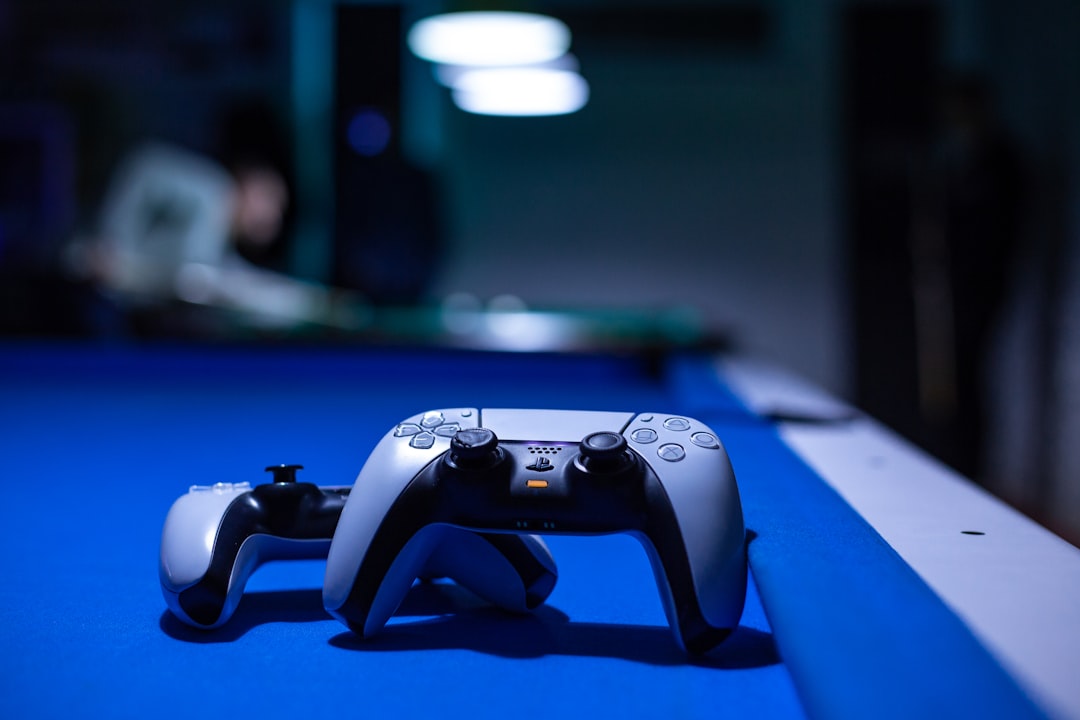
The world of competitive esports has exploded from a niche hobby into a global phenomenon, demanding the dedication and rigorous training regimens akin to traditional athletics. As this high-performance arena matures, so too does the scrutiny of its impact on player well-being. A recent systematic review delves into the complex health implications, revealing a multifaceted picture that warrants careful consideration for athletes, organizations, and the wider health community.
The Physical Toll
One of the most consistently reported issues among professional esports athletes is musculoskeletal strain. The repetitive fine-motor movements, prolonged static postures, and extended periods of immobility inherent in intense gaming sessions often lead to pain and discomfort. Common ailments affect the wrists, hands, neck, and thoracic spine, with the prevalence and severity directly correlating with daily training duration. This physical burden is a critical area for preventative strategies and ergonomic interventions.
Sleep and Circadian Rhythm Disruptions
Beyond physical strain, sleep irregularities pose a significant challenge. The demanding schedules of professional play, including late-night training, cross-time zone competitions, and frequent travel for tournaments, frequently disrupt natural sleep patterns. Studies indicate reduced sleep duration, delayed sleep onset, and poorer sleep efficiency, all of which can impair cognitive functions, slow reaction times, and negatively affect emotional regulation – vital components for peak performance.
The Mental Health Landscape
The psychological load experienced by esports competitors is substantial. Navigating constant performance pressure, unstable contract situations, intense public scrutiny via social media, and the inherent stress of competitive rankings can contribute to heightened levels of anxiety, burnout symptoms, and mood instability. Understanding these mental health vulnerabilities is paramount for fostering supportive environments and implementing targeted psychological support systems.
Sedentary Behavior and Cardiometabolic Risks
While often perceived as less physically demanding than traditional sports, esports participants are subject to significant sedentary behavior. Prolonged sitting, coupled with potential dietary habits that prioritize convenience over nutrition, raises concerns about cardiometabolic health. While research findings on specific markers are mixed, the overall pattern suggests a need for greater awareness and intervention regarding physical activity and healthy lifestyle choices to mitigate long-term health risks.
Cognitive Enhancers: A Growing Concern
An emerging area of concern within the esports community is the use of performance-enhancing stimulants or nootropics. Driven by the intense pressure to maintain peak cognitive function and rapid reaction times, some athletes may turn to these substances. The long-term health consequences and ethical implications of such usage require further investigation and robust policy development.
A Call for Standardized Methodologies and Support
The review highlights a critical need for standardized methodologies in esports health research. The heterogeneity in study designs and definitions across existing literature limits direct data pooling and meta-analysis. Moving forward, a more consistent approach to data collection and outcome measurement will be essential for developing evidence-based guidelines.
Implications for Athlete Welfare and Public Health
Ultimately, the findings underscore that competitive esports present a complex health profile spanning physical, psychological, and lifestyle domains. The implications for clinical practice, athlete welfare, and public health policy are profound. Structured pre-participation screenings, ongoing monitoring, and comprehensive support systems are vital to ensure the safety, health, and longevity of esports athletes.
The Future of Esports Health
As esports continues its trajectory of growth and professionalization, a proactive approach to player health is not just beneficial but essential. By addressing the identified physical, mental, and behavioral challenges head-on, the esports industry can cultivate a more sustainable and healthier future for its elite competitors, ensuring that the thrill of competition does not come at the expense of well-being.
Source Insight: This report was curated based on original coverage from rsglobal.pl.
Explore Kri-Zek
📱 Altered Brilliance App
Download on Google Play · Watch the Trailer
📖 The Power of Gaming
Watch the Video
🤝 Connect With Us
Kri-Zek on LinkedIn · Founder on LinkedIn · Happenstance
📸 Follow Us on Instagram
@krizekster · @krizek.tech · @krizekindia