Badge
Mar 14, 2026
The Evolving Landscape of Collegiate Esports Wellness
As collegiate esports rapidly expands, understanding its impact on student-athletes' physical and mental well-being is paramount. This deep dive explores the burgeoning research into the unique health challenges and opportunities within this dynamic field.
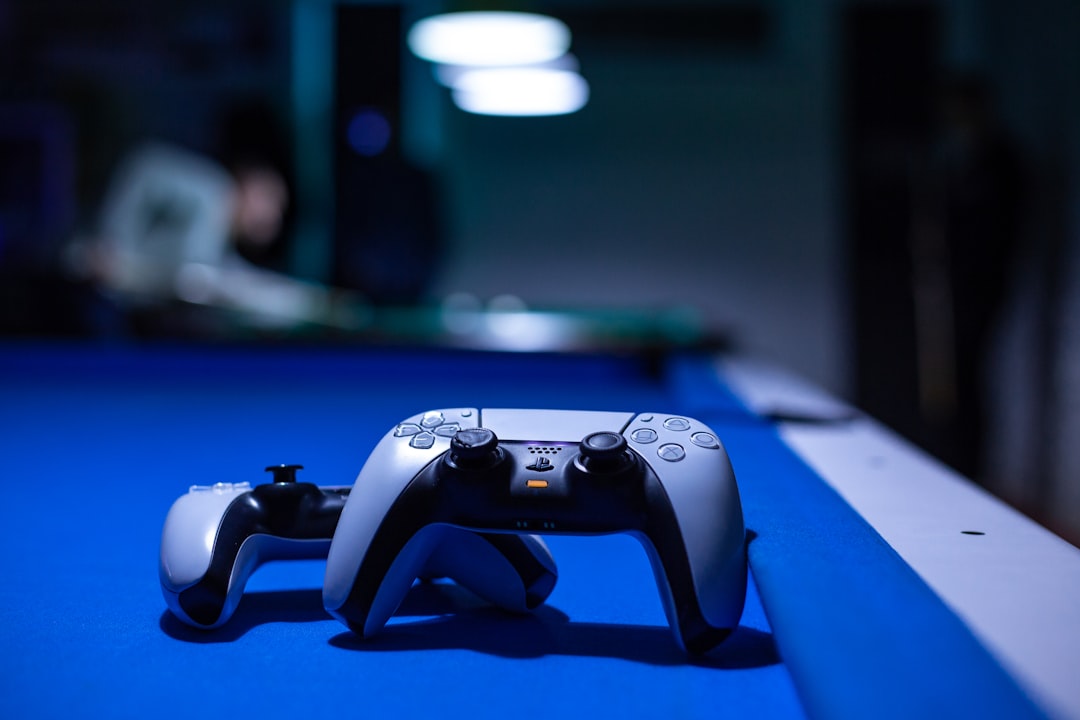
The explosive growth of esports has transformed the collegiate athletic landscape, moving beyond a niche interest to a significant extracurricular pursuit. As universities increasingly establish esports programs, a critical question arises: what is the true impact on the habits, health, and overall wellness of the student player? This evolving domain demands a comprehensive look at both the challenges and the emerging opportunities for fostering a healthy environment.
The Collegiate Esports Athlete's Profile
Unlike traditional athletes who often undergo rigorous physical training, collegiate esports athletes engage in demanding cognitive and perceptual tasks. Research indicates that while they may not fit the conventional athletic mold, the commitment can be substantial, often involving long hours of practice. Studies exploring self-assessment of athletic identity among these players reveal a complex interplay between their dedication to gaming and how they perceive themselves within a broader athletic context. This perception can influence their approach to health and performance.
Navigating Health Challenges
The intense focus required for high-level esports can lead to specific health concerns. Issues such as neck pain and headaches are frequently reported, potentially linked to prolonged periods of aberrant posture (Gugliotti, 2018). Furthermore, the sedentary nature associated with extended gaming sessions can contribute to broader health risks, including those associated with obesity and reduced respiratory function, particularly when combined with excessive screen time (Kracht et al., 2020; Jung et al., 2016). The reliance on energy drinks also presents a notable concern, with research examining the implications of their consumption within the esports context (Lopez Frias, 2022).
The Importance of Sleep and Mental Well-being
Sleep is a foundational pillar of health, and for esports athletes, maintaining healthy sleep patterns can be particularly challenging. The demands of competition, coupled with late-night practice schedules, can disrupt circadian rhythms, potentially impacting mood and performance (Lee et al., 2021). Beyond sleep, the psychological toll of constant pressure to perform and the inherent competitiveness of esports can contribute to stress and burnout. Understanding the psychological underpinnings, including the role of intrinsic motivation and self-determination, is crucial for supporting the mental well-being of these athletes (Deci & Ryan, 1985, 2000; Bányai et al., 2019).
Addressing Sedentary Lifestyles and Physical Activity
While esports are primarily cognitive, the long hours spent gaming can exacerbate a sedentary lifestyle. Integrating opportunities for physical activity and promoting healthy movement habits is vital. Research into energy expenditure during esports, though still nascent, highlights the need to consider physical health alongside cognitive demands (Haupt et al., 2021). This includes encouraging athletes to adopt healthier postures and engage in regular exercise to mitigate the risks associated with prolonged sitting and screen time.
The Role of Institutions and Support Systems
Collegiate institutions play a pivotal role in shaping the esports ecosystem. As esports programs mature, universities are increasingly being called upon to provide robust support systems analogous to those for traditional sports. This includes offering resources for mental health counseling, nutritional guidance, and physical therapy. The development of leadership structures within collegiate esports, such as distributed leadership models, can also contribute to a more supportive and well-managed environment (Falkenthal & Byrne, 2021).
Fostering Inclusive and Healthy Esports Environments
Beyond physical and mental health, the social and inclusive aspects of collegiate esports are also gaining attention. Ensuring that esports spaces are welcoming and equitable for all students, regardless of gender or background, is an ongoing endeavor (Hayday & Collison, 2020; Látal, 2022). The convergence of gaming and gambling, particularly concerning mechanics like loot boxes, also necessitates a careful examination of potential risks and ethical considerations (Close & Lloyd, 2021).
The Future of Esports Wellness Research
The field of esports wellness is still in its relative infancy, with a growing body of research seeking to understand its multifaceted impacts. Scoping reviews and meta-analyses are beginning to map out the existing literature, identifying key themes and proposing future research agendas (Kelly & Leung, 2021; Monteiro Pereira et al., 2022). The continued investigation into the perceived benefits and risks for college students is essential for developing evidence-based strategies to promote healthy and sustainable participation in collegiate esports.
Conclusion: A Balancing Act for Student Well-being
Ultimately, the rise of collegiate esports presents a unique set of opportunities and challenges for student well-being. By acknowledging the specific demands of competitive gaming and proactively implementing comprehensive support structures, educational institutions can help ensure that student esports athletes thrive both in-game and in life. This requires a holistic approach that prioritizes physical health, mental resilience, and a supportive community, paving the way for a healthier future for esports.
Source Insight: This report was curated based on original coverage from journals.ku.edu.
Explore Kri-Zek
📱 Altered Brilliance App
Download on Google Play · Watch the Trailer
📖 The Power of Gaming
Watch the Video
🤝 Connect With Us
Kri-Zek on LinkedIn · Founder on LinkedIn · Happenstance
📸 Follow Us on Instagram
@krizekster · @krizek.tech · @krizekindia