Badge
Apr 3, 2026
The Evolving Landscape of Game Design Education and Career Prospects
Is a game design degree still a golden ticket in 2026? Explore the industry's booming growth, salary expectations, and the crucial role of portfolios alongside formal education.
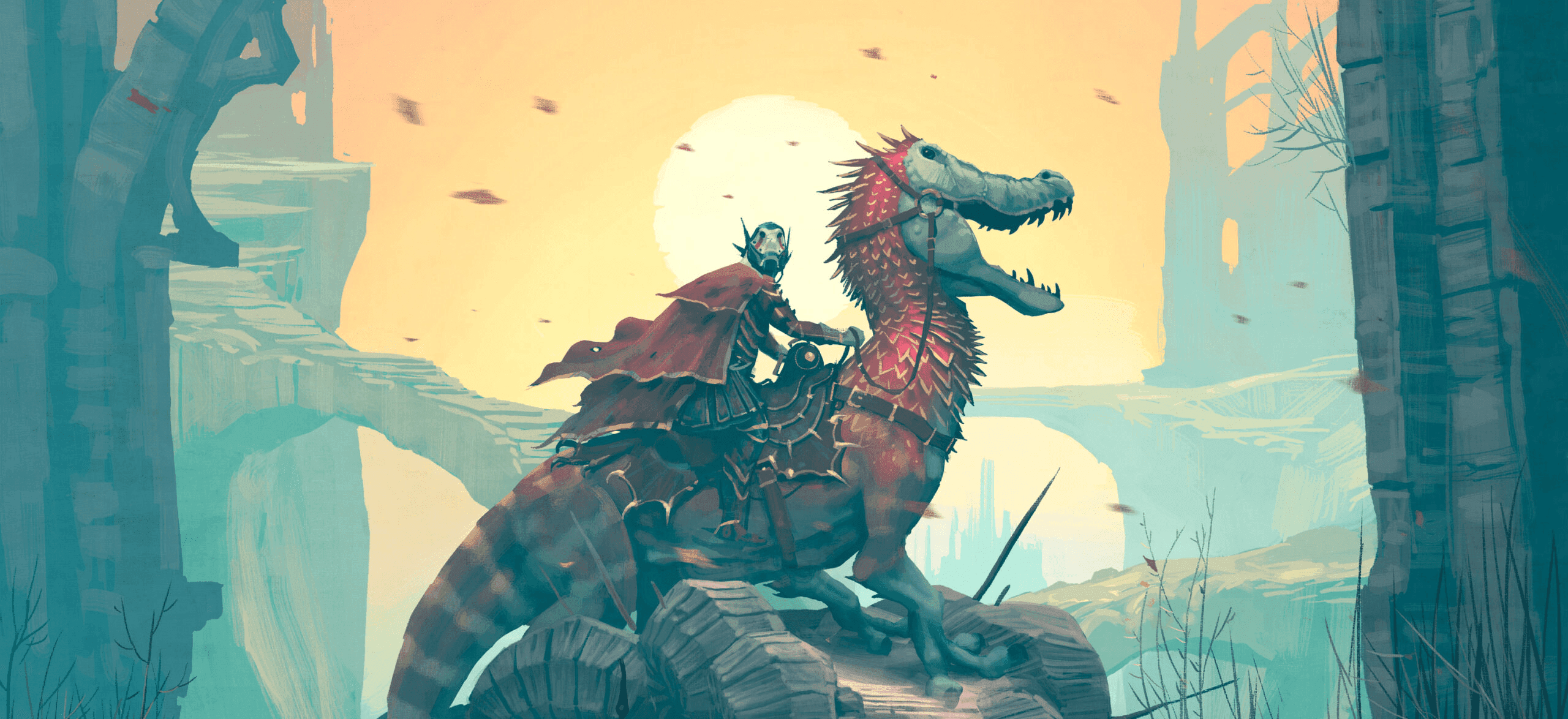
The video game industry is on an unprecedented trajectory, projected to generate a staggering $213.3 billion in revenue by 2027. This explosive growth fuels a consistent demand for talented game designers. However, for many aspiring creators, a fundamental question lingers: is a formal game design degree truly worth the investment in today's dynamic landscape?
While not always a strict prerequisite for entry, a game design degree offers a robust foundation. It signals formal training, equipping individuals with essential skills and knowledge. Top-tier institutions provide specialized programs that can significantly enhance a candidate's competitiveness in a crowded job market. This formal education covers the intricate blend of art, technology, and psychology that underpins compelling game experiences.
The sheer scale of the global game design industry cannot be overstated. Its projected revenue underscores a thriving market ripe with opportunities. This expansion has spurred the development of numerous dedicated game design programs worldwide, catering to the escalating need for skilled professionals capable of crafting engaging digital worlds and interactive narratives.
Salaries within the game design field demonstrate considerable variation, reflecting factors such as experience, company size, and geographical location. The International Game Developers Association reported an average annual salary of approximately $85,000 in the U.S. for game designers in 2023, with typical ranges falling between $50,000 and $120,000. This suggests a rewarding financial outlook for those who successfully navigate the industry.
Beyond salary, the industry also boasts significant job growth. The U.S. Bureau of Labor Statistics forecasts a 4% increase in employment for multimedia artists and animators, a category encompassing game designers, between 2023 and 2033. This growth is propelled by the continuous release of new games and rapid technological advancements, offering a promising career trajectory for graduates.
However, a degree alone is rarely sufficient. A strong portfolio is equally, if not more, critical. This visual and interactive showcase of a designer's projects, creativity, and technical prowess is what truly captures employer attention. A well-curated portfolio demonstrates practical application of learned skills and innovative thinking—qualities highly sought after by game studios.
Game design itself is the art and science of shaping a game's rules, mechanics, systems, and the overall player experience. It encompasses everything from the core gameplay loop to the emotional journey a player undertakes. This field is increasingly interdisciplinary, drawing from computer science, psychology, narrative design, and art.
As the industry evolves, embracing new technologies like AI and data analytics, the role of the game designer becomes even more nuanced. Understanding these emerging trends and possessing complementary technical skills, alongside strong soft skills like collaboration and communication, will be paramount for long-term career fulfillment and innovation. The value of a game design degree is thus amplified when paired with a proactive approach to continuous learning and practical skill development.
Source Insight: This report was curated based on original coverage from research.com.
Explore Kri-Zek
📱 Altered Brilliance App
Download on Google Play · Watch the Trailer
📖 The Power of Gaming
Watch the Video
🤝 Connect With Us
Kri-Zek on LinkedIn · Founder on LinkedIn · Happenstance
📸 Follow Us on Instagram
@krizekster · @krizek.tech · @krizekindia