Badge
Apr 28, 2026
The Evolving Landscape of Gaming and its Growth Trajectory
The global gaming market is experiencing unprecedented growth, projected to reach $618.82 billion by 2030.
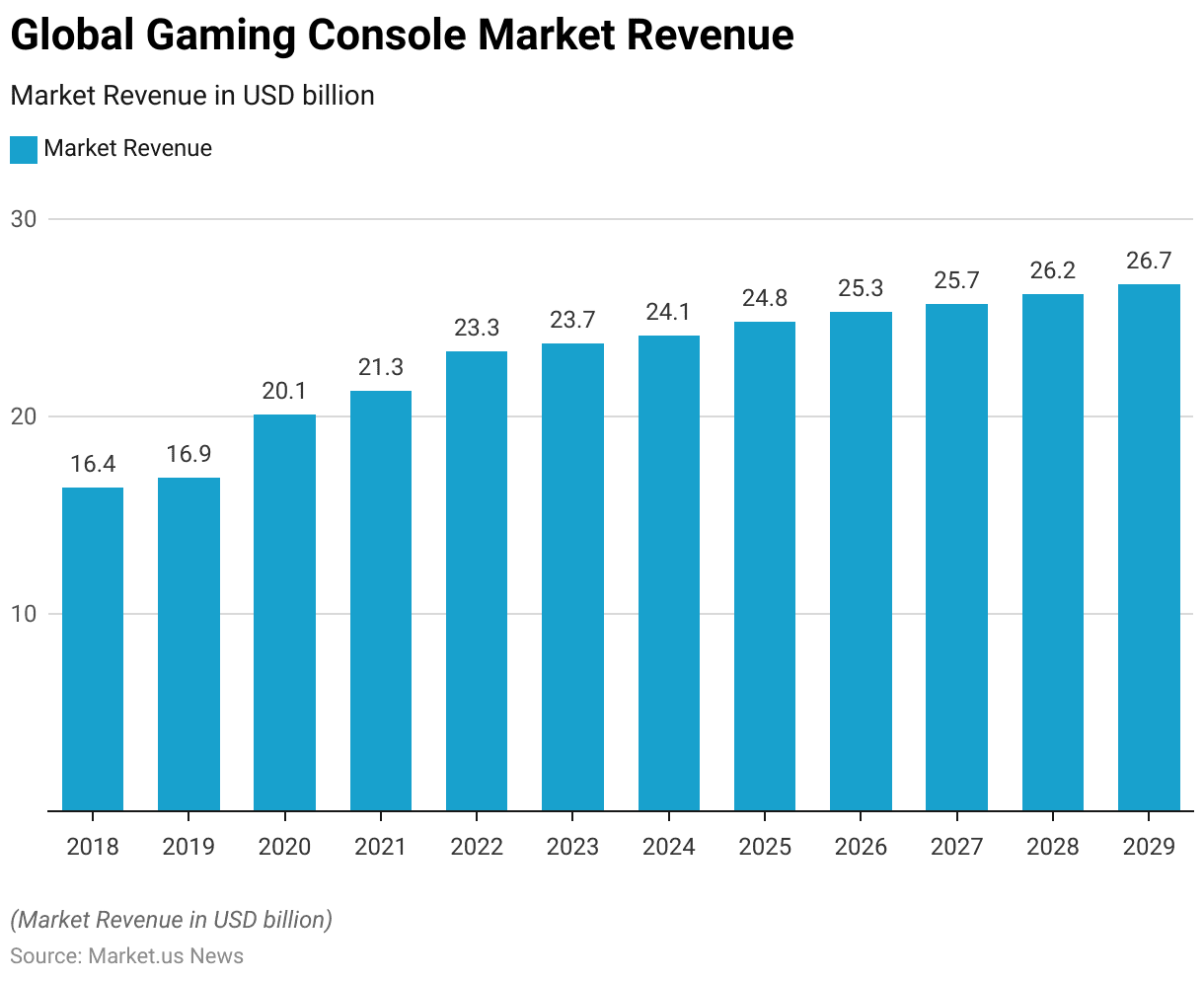
The global gaming market is on an impressive upward trajectory, demonstrating sustained growth and significant expansion. Data from a recent industry report indicates that the market size, valued at $343.22 billion in 2025, is projected to surge to $386.04 billion in 2026, reflecting a robust compound annual growth rate (CAGR) of 12.5%. This historic growth has been fueled by several pivotal factors, including the widespread adoption of home consoles and PC gaming, a burgeoning mobile gaming user base, and the increasing availability of high-speed internet. Furthermore, the rise of sophisticated esports ecosystems and the expansion of digital game distribution channels have played crucial roles in expanding the reach and accessibility of gaming.
Looking ahead, the outlook remains exceptionally bright, with the market anticipated to reach a staggering $618.82 billion by 2030, maintaining the impressive 12.5% CAGR. This future expansion is expected to be driven by several key trends. The increasing adoption of subscription-based gaming models is reshaping how players access content. Simultaneously, there is a rising demand for immersive gaming environments, pushing the boundaries of visual and interactive experiences. The expansion of metaverse-based gaming platforms signals a significant shift towards persistent, interconnected virtual worlds. Moreover, growing investments in game development studios are fostering innovation, while an increasing focus on user-generated content empowers players to become creators.
Several major trends are expected to define the gaming landscape in the coming years. The widespread adoption of cloud-based gaming platforms promises to deliver high-quality gaming experiences across a variety of devices without the need for powerful local hardware. This is closely linked to the rising demand for cross-platform game experiences, allowing players to seamlessly transition between different devices and play with friends regardless of their platform of choice. The expansion of immersive AR and VR gaming content is set to redefine player engagement, offering new levels of presence and interaction. Additionally, the growing integration of AI-driven game mechanics will lead to more dynamic, responsive, and personalized gameplay. Finally, an enhanced focus on multiplayer and social gaming continues to be a cornerstone, fostering communities and shared experiences.
The sustained growth in internet penetration is a fundamental enabler for the gaming market. As more individuals gain access to reliable internet, the potential for online gaming expands exponentially. Internet access is crucial for the seamless connectivity that underpins modern gaming, allowing players to connect, compete, explore, and collaborate. For instance, the increase in internet users in regions like the UK highlights this direct correlation, with a growing user base translating into a larger pool of potential gamers.
Major industry players are actively innovating to capture this growing market. A significant development is the integration of cloud gaming into connected entertainment devices. This strategy aims to provide console-free, high-quality gaming experiences streamed directly to televisions and other streaming devices. Companies are leveraging cloud infrastructure to run games remotely, eliminating the necessity for dedicated gaming hardware or local installations. A prime example is the partnership between Comcast Corporation and Amazon, which integrated Amazon Luna cloud gaming onto Xfinity entertainment devices. This collaboration allows Xfinity customers to access a broad library of cloud-streamed games directly through their TV interface, enhancing accessibility and blurring the lines between traditional entertainment and interactive gaming.
Strategic acquisitions and consolidations are also shaping the competitive landscape. In a notable move, Nodwin Gaming Private Limited acquired Trinity Gaming India Private Limited. This acquisition aimed to bolster Nodwin's content and creator ecosystem, integrating Trinity's capabilities as a creator service provider (CSP) and multi-channel network (MCN). By incorporating Trinity's extensive network of over 1,000 creators across platforms like YouTube and Meta, Nodwin Gaming has significantly extended its reach in influencer-driven gaming content and brand partnerships, particularly within the Indian market.
The gaming market encompasses a diverse range of entities and revenue streams, including revenues generated from simulation games, puzzlers, and party games. The market value calculations include the sale of related goods and services offered by providers. The scope is limited to goods and services traded between entities or sold directly to end consumers.
Geographically, the Asia-Pacific region emerged as the largest market in 2025, underscoring the significant gaming activity and consumer spending in this area. The report covers a broad range of regions, including South East Asia, Western Europe, Eastern Europe, North America, South America, the Middle East, and Africa, with specific countries such as Australia, Brazil, China, France, Germany, India, Indonesia, Japan, Taiwan, Russia, South Korea, the UK, the USA, Canada, Italy, and Spain being analyzed in detail. This extensive coverage provides a comprehensive view of the global gaming market's diverse landscape and regional dynamics.
Source Insight: This report was curated based on original coverage from researchandmarkets.com.
Explore Kri-Zek
📱 Altered Brilliance App
Download on Google Play · Watch the Trailer
📖 The Power of Gaming
Watch the Video
🤝 Connect With Us
Kri-Zek on LinkedIn · Founder on LinkedIn · Happenstance
📸 Follow Us on Instagram
@krizekster · @krizek.tech · @krizekindia