Badge
Apr 8, 2026
The Evolving Landscape of Gaming and Mental Well-being
Gaming's impact on mental health is complex, offering both solace and challenges. Discover how mindful play can foster connection, control, and achievement, while also exploring the risks of overus...
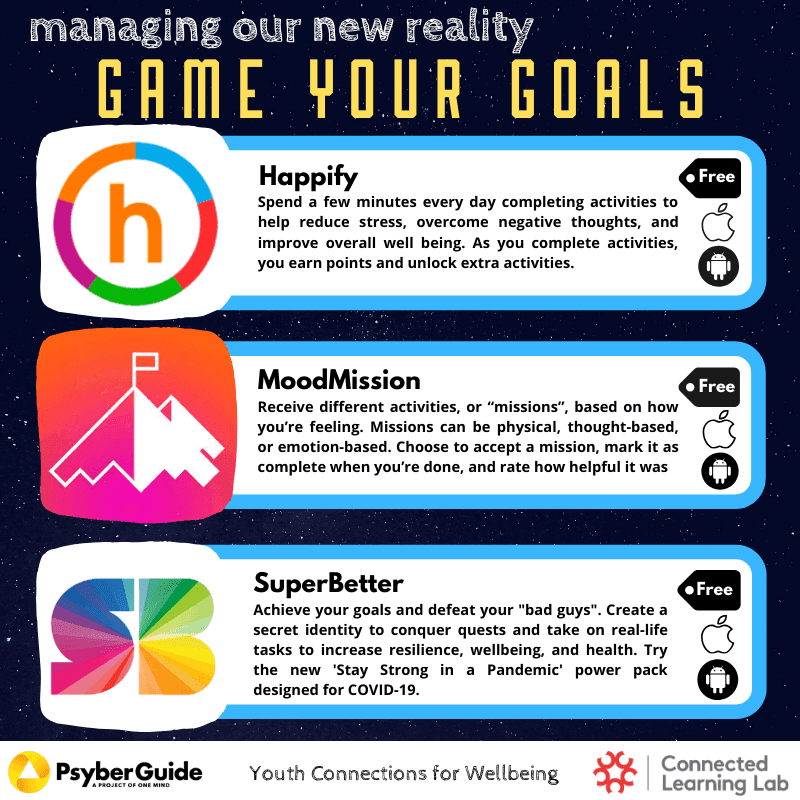
Video games, once relegated to the periphery of entertainment, have ascended to a dominant cultural force. This dramatic shift has finally brought a more nuanced conversation about their impact on mental health to the forefront. Far from being a simple dichotomy of good or bad, gaming’s influence is profoundly shaped by the how, why, and how much of our engagement.
Gaming as a Healthy Escape
One of the most powerful draws of video games is their capacity to serve as an escape. Stepping into virtual worlds offers a temporary respite from the pressures of daily life, providing environments where objectives are clear, efforts are rewarded, and challenges can be systematically overcome. This form of escapism is not inherently detrimental; rather, it can be a vital tool for recharging mental batteries. Games allow players to disconnect from stress, regain a sense of control, and experience tangible progress, offering a much-needed mental reset for those grappling with anxiety, grief, or burnout.
The critical distinction lies in whether gaming serves as genuine rest or as outright avoidance. When used to recharge, it supports well-being. When it becomes a substitute for addressing real-life needs, underlying issues can fester unnoticed.
Cultivating Community and Belonging
Contrary to lingering stereotypes, gaming is a fundamentally social activity. Multiplayer experiences, online communities, and voice communication platforms have become fertile ground for forging deep friendships and fostering a sense of belonging. For individuals who find traditional social settings challenging, gaming provides a low-pressure avenue for connection, effectively reducing loneliness and promoting teamwork through shared goals. These digital communities can be lifelines during periods of isolation.
However, like any social sphere, online gaming environments can also expose players to toxicity. While healthy communities offer support and upliftment, unhealthy ones can contribute to stress and negatively impact self-perception.
Achievement, Mastery, and Self-Esteem
Video games are intrinsically designed around progression, leveraging the brain's reward system through levels, achievements, and in-game rewards. This can be a powerful motivator, especially for individuals who feel stalled or undervalued in their offline lives. Games offer clear objectives, immediate feedback, and a tangible sense of mastery, which can genuinely boost self-esteem. The feelings of accomplishment derived from overcoming difficult challenges or mastering complex game mechanics are real and can positively influence one's outlook.
The potential pitfall arises when self-worth becomes exclusively tethered to in-game achievements. An imbalance can occur when virtual progress outpaces real-world accomplishments, leading to a skewed sense of self.
Navigating Stress Relief and Amplification
While gaming can be a source of relaxation, not all games or players experience it this way. Cozy simulations and narrative-driven adventures often serve to reduce stress, whereas competitive titles can sometimes amplify it. High-pressure ranked modes, constant social comparison, and the fear of failure can elevate anxiety rather than alleviate it. This doesn't render competitive gaming inherently negative but underscores the importance of self-awareness. Players benefit most when they recognize when a game ceases to be enjoyable, take breaks after intense sessions, and select games that align with their current emotional state.
Addressing Overuse and Burnout
A significant concern in the gaming discourse is the potential for overuse. Games are engineered to be engaging, employing mechanics like daily rewards and battle passes that can blur the lines between enjoyment and obligation, fostering a fear of missing out. Warning signs of unhealthy gaming habits include neglecting essential needs like sleep and hygiene, irritability when unable to play, and relying solely on games to manage emotions. The focus here is on early recognition of patterns and proactive adjustment to prevent burnout or emotional dependency. Mindful moderation is key, emphasizing intentionality in play.
Gaming as a Medium for Emotional Expression
The narrative power of video games is often underestimated. Through interactive storytelling, games can explore profound themes like grief, identity, trauma, love, and loss with an emotional resonance that can feel more personal than passive media. Player participation amplifies emotional engagement, providing a unique avenue for processing feelings that may be difficult to articulate elsewhere. A character's journey can serve as a mirror, offering validation, reflection, and even a path toward healing.
Research and Support
Emerging research, such as a 2024 study in BMC Public Health, highlights correlations between problematic gaming behaviors, stress, and increased risk indicators for suicidal ideation among adolescents. It is crucial to understand that these studies do not posit video games as the cause of suicide but rather emphasize how excessive or maladaptive gaming can intersect with existing stressors. This underscores the vital importance of balance, emotional support, and developing healthy coping strategies.
Seeking professional help is a sign of strength. Resources like the 988 Suicide & Crisis Lifeline in the U.S. and international crisis support directories are available for those struggling. Ultimately, gaming’s profound impact on mental health is not predetermined but is a reflection of how we engage with it, offering potential for connection, accomplishment, and even healing when approached with awareness and intention.
Source Insight: This report was curated based on original coverage from monolithgaming.org.
Explore Kri-Zek
📱 Altered Brilliance App
Download on Google Play · Watch the Trailer
📖 The Power of Gaming
Watch the Video
🤝 Connect With Us
Kri-Zek on LinkedIn · Founder on LinkedIn · Happenstance
📸 Follow Us on Instagram
@krizekster · @krizek.tech · @krizekindia