Badge
Jun 25, 2026
The Evolving Landscape of Mobile Gaming in 2026
As mobile gaming matures, 2026 introduces pivotal shifts in player engagement, technological integration, and market expansion.
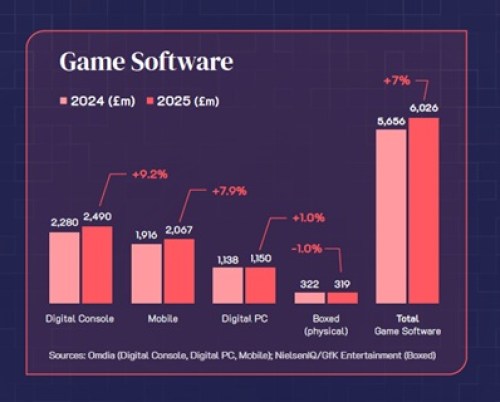
The mobile gaming industry stands at a critical juncture in 2026, transitioning from an era of rapid user acquisition to one intensely focused on player retention and deeper engagement. Following a year where revenue saw modest growth and downloads experienced a decline, the emphasis has markedly shifted towards optimizing monetization strategies and fostering loyalty among existing player bases. This competitive environment necessitates a nuanced understanding of emerging trends, from the pervasive influence of artificial intelligence to the cultivation of more social and personalized gaming experiences.
The Double-Edged Sword of Generative AI
Artificial Intelligence, particularly Generative AI (Gen AI), has become an indelible part of the mobile gaming development and publishing pipeline. However, its widespread adoption has not been without controversy. Consumer sentiment reveals a strong aversion to Gen AI in player-facing content, with a Quantic Foundry survey indicating that a substantial 85% of gamers hold a negative to neutral attitude towards its use. Platforms like Steam have already begun to mandate disclosure for AI-generated player-facing content, signaling a growing demand for transparency from both users and industry watchdogs. Despite this, experts predict an increasing integration of Gen AI, particularly in user acquisition creatives and LiveOps, prompting publishers to carefully navigate its ethical and practical implications to avoid potential backlash.
The Imperative of Deep Personalization
In an increasingly saturated market, personalization is no longer a luxury but a fundamental requirement for success. With Mistplay's 2025 Mobile Gaming Loyalty Index revealing that less than half of gamers are satisfied with current personalization levels, publishers are leveraging advancements in AI to deliver more tailored experiences. This extends beyond superficial customizations to encompass truly adaptive gameplay, personalized challenges, dynamic storylines, and tailored in-game rewards. Studies have demonstrated the tangible benefits, with adaptive difficulty scaling boosting revenue by up to 71% and segmented player data improving retention by 20%. The specific implementation of these features, however, must align with genre expectations, as RPG players may prioritize narrative depth while casual gamers might prefer personalized shop offers.
The Rise of Direct-to-Consumer Web Shops
The move towards direct-to-consumer (DTC) web shops is gaining significant traction, driven by publishers' desire for greater control over their revenue streams and direct engagement with their player base. These platforms facilitate a more direct transaction, often bypassing traditional app store fees and allowing for more flexible pricing and promotional strategies. Furthermore, DTC channels enable publishers to collect richer first-party data, providing invaluable insights into player behavior and preferences, which can then be fed back into more effective personalization and game development.
Expanding Audiences through Offerwalls and Rewarded UA
Offerwalls are emerging as a powerful tool to expand audience reach, offering players in-game rewards for completing specific actions, often related to other apps or services. This method taps into existing player motivation, providing a mutually beneficial exchange. Complementing this is rewarded User Acquisition (UA), which continues to drive growth by incentivizing new user installs and engagements. These strategies are particularly effective in a market where traditional UA methods are becoming less efficient, emphasizing the value of delivering tangible benefits to players for their attention and participation.
Embracing Social Experiences
Mobile games are increasingly leaning into their social dimensions, recognizing that shared experiences can significantly enhance retention and player loyalty. This trend manifests in various forms, from integrated social features like chat and guild systems to cooperative and competitive multiplayer modes. The objective is to foster community, encourage interaction, and provide players with reasons beyond gameplay mechanics to return. By transforming solitary experiences into communal ones, games can create deeper emotional connections and a stronger sense of belonging among their player base.
The MENA Region as a Key Market
Geographically, the MENA (Middle East and North Africa) region is rapidly solidifying its position as a burgeoning and strategically important market for mobile gaming. With a young, tech-savvy population and increasing disposable income, the region presents immense growth potential. Publishers are recognizing the necessity of localizing content, understanding cultural nuances, and tailoring marketing strategies to effectively capture this expanding demographic. Investing in MENA is not merely about market penetration, but about establishing a foothold in a region poised for significant future influence.
2026: A Year of Strategic Optimization
As we look ahead, 2026 is poised to be a year defined by strategic optimization across all facets of the mobile gaming ecosystem. The focus will be on maximizing the value of existing players through sophisticated personalization, ethical AI usage, and robust social features. Concurrently, publishers will continue to explore innovative UA methods and tap into high-growth markets like MENA. The industry is evolving, demanding a more thoughtful, player-centric approach to achieve sustained success and navigate the complexities of a maturing market.
Source Insight: This report was curated based on original coverage from business.mistplay.com.
Explore Kri-Zek
📱 Altered Brilliance App
Download on Google Play · Watch the Trailer
📖 The Power of Gaming
Watch the Video
🤝 Connect With Us
Kri-Zek on LinkedIn · Founder on LinkedIn · Happenstance
📸 Follow Us on Instagram
@krizekster · @krizek.tech · @krizekindia