Badge
May 4, 2026
The Evolving Landscape of the U.S. Gaming Market
The U.S. gaming market is experiencing robust growth, driven by mobile accessibility and social connectivity.
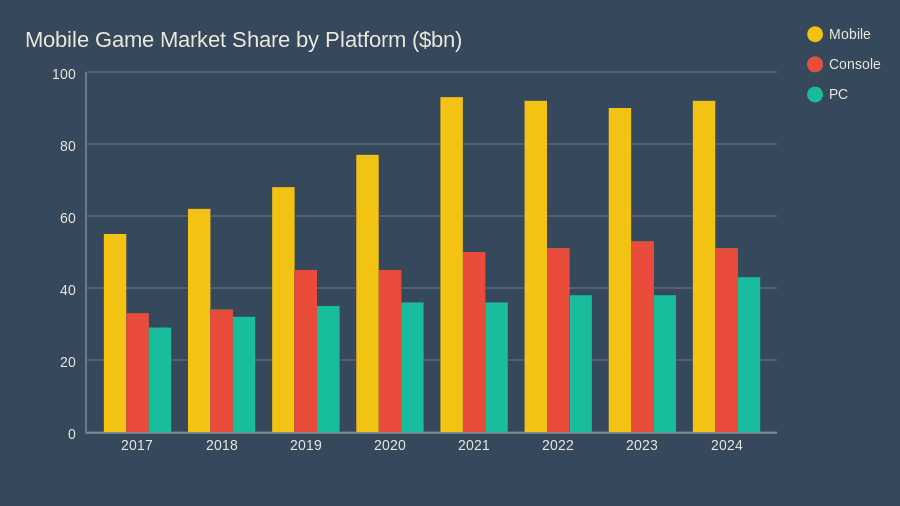
The United States gaming market is charting a course of significant expansion, with projections indicating a substantial increase in value from an estimated USD 67.87 billion in 2025 to a staggering USD 142.85 billion by 2034. This impressive growth, forecast at a compound annual growth rate of 8.62% from 2026 to 2034, is underpinned by a confluence of technological advancements and evolving consumer behaviors.
Defining the Modern Gaming Ecosystem
At its core, the gaming market encompasses the creation, distribution, and consumption of interactive entertainment across consoles, PCs, and mobile devices. Far beyond traditional retail, this market now thrives on digital downloads, subscription services, and in-game microtransactions, which collectively form the dominant revenue streams. The widespread engagement, with an estimated 65% of Americans playing video games regularly, highlights its deep cultural integration. The industry is characterized by a dynamic interplay of hardware manufacturers, software developers, and platform holders, all operating within a complex ecosystem driven by intellectual property and network effects. The sheer scale of development necessitates large, multidisciplinary teams, contributing to significant employment growth in related sectors.
Mobile Dominance and Accessibility
A primary driver of this market's ascent is the ubiquitous penetration of mobile devices. Smartphones and tablets have dramatically lowered the barrier to entry, transforming gaming into an activity accessible anywhere, anytime. With approximately 85% of American adults owning a smartphone, a massive installed base is readily available for developers. This accessibility facilitates impulse downloads and frequent, short play sessions, boosting engagement and supporting ad-based revenue models. Mobile platforms appeal to a broader demographic, including older adults who may prefer intuitive touch controls over complex console inputs.
The Power of Social Connectivity
Furthermore, the evolution of video games into immersive social platforms is a critical factor enhancing user retention. Modern multiplayer titles serve as virtual gathering spaces, fostering strong community bonds and transcending geographical limitations. Nearly 70% of gamers play with others online, underscoring the profound social dimension of gaming today. This connectivity creates a "stickiness" as players invest in building relationships and reputations within these digital environments. Cross-platform play further expands these social circles, while features like voice chat and streaming tools make gaming a primary mode of socialization for many.
Navigating Regulatory Hurdles
Despite the promising growth trajectory, the market faces significant headwinds. Increasing regulatory scrutiny on monetization practices, particularly concerning loot boxes and microtransactions, poses a considerable threat to established revenue models. Concerns that certain game mechanics resemble gambling have led to legislative proposals and calls for stricter guidelines on digital purchases. This pressure can force developers to redesign economic systems, potentially impacting average revenue per user and introducing uncertainty for long-term planning.
The Challenge of Escalating Development Costs
Another substantial restraint is the escalating cost and technical complexity of game development. Creating modern AAA titles requires hundreds of millions of dollars, involving advanced graphics engines, motion capture, and extensive teams. This financial intensity limits the number of projects studios can undertake and can encourage risk aversion in creative decision-making. The complexity of current hardware architectures further prolongs development cycles, while smaller independent developers often struggle to compete with the production values of major studios.
Emerging Opportunities in Cloud Gaming
Looking ahead, cloud gaming infrastructure presents a significant opportunity to further democratize access to high-fidelity gaming experiences. By shifting processing power to remote servers, cloud gaming can enable players to access sophisticated titles on less powerful devices, potentially expanding the market even further. This technology holds the promise of a more streamlined and accessible future for interactive entertainment.
The Future Outlook
The U.S. gaming market is at a fascinating juncture, balancing immense growth potential with complex challenges. The continued innovation in mobile technology, the deepening integration of social features, and the advent of cloud gaming all point towards a vibrant future. However, navigating the evolving regulatory landscape and managing the high costs of development will be crucial for sustained success and continued innovation within this dynamic industry.
Source Insight: This report was curated based on original coverage from marketdataforecast.com.
Explore Kri-Zek
📱 Altered Brilliance App
Download on Google Play · Watch the Trailer
📖 The Power of Gaming
Watch the Video
🤝 Connect With Us
Kri-Zek on LinkedIn · Founder on LinkedIn · Happenstance
📸 Follow Us on Instagram
@krizekster · @krizek.tech · @krizekindia