Badge
May 29, 2026
The Evolving Landscape of Video Games and Mental Well-being
Exploring the complex relationship between video games and mental health, this piece delves into academic research and industry insights on both the challenges and benefits gaming offers.
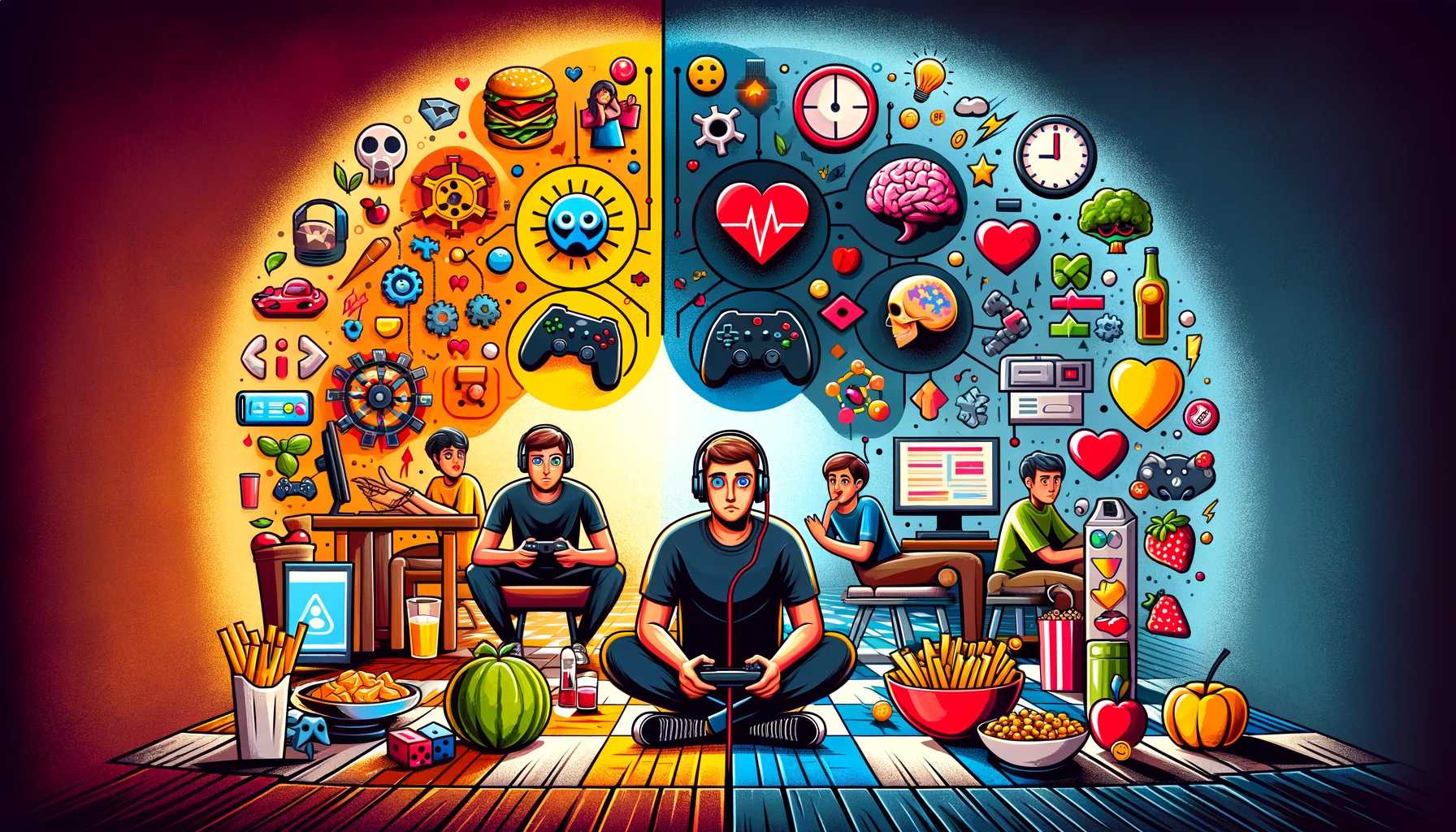
In recent years, the intersection of video games and mental health has moved from the periphery to the forefront of both industry discussion and academic inquiry. What was once a field dominated by concerns over addiction and negative societal impacts is now being recognized for its significant potential to foster well-being, provide therapeutic avenues, and build vital communities.
A Shifting Academic and Industry Focus
The discourse surrounding video games and their psychological effects has undergone a substantial evolution. Historically, narratives often focused on detrimental outcomes, such as violence or addiction. However, contemporary research, as highlighted in works like Video Games and Mental Health edited by Federico Alvarez Igarzábal and colleagues, increasingly challenges these one-dimensional views. The academic world, in collaboration with industry professionals, is actively investigating the nuanced ways games can influence players, acknowledging that the impact is multifaceted, encompassing both positive and negative dimensions.
The Pandemic's Amplifying Effect
The COVID-19 pandemic served as a critical catalyst, intensifying the focus on how digital entertainment and online interactions affect our mental state. With widespread isolation and uncertainty, individuals turned to video games and their associated online communities for solace, connection, and emotional regulation. Initiatives like the WHO's #PlayApartTogether campaign underscored the role of games in maintaining social ties during periods of physical distancing, demonstrating their capacity to offer comfort and community when real-world interactions were restricted.
Beyond the Stereotypes: Games as a Force for Good
Contrary to outdated perceptions, a growing body of research indicates that video games can actively contribute to improved mental health. Studies are exploring how engaging with digital games can enhance psychological well-being, and the pandemic saw a significant surge in gaming activity as people sought refuge and connection. This period highlighted games' role not just as entertainment but as crucial tools for social support and emotional relief, challenging the long-held negative stereotypes associated with the medium.
Fostering Resilience and Pro-Environmental Behavior
Research presented in Video Games and Mental Health points to the potential of digital games to promote positive behaviors. For instance, some studies explore how games can be designed to encourage healthy habits and even pro-environmental actions. The psychological and sociological dimensions of gaming are being examined to understand how virtual interactions can translate into tangible real-world benefits, offering new perspectives on the impact of digital media.
Understanding Complex Social Phenomena Through Games
Video games are also proving to be invaluable tools for understanding complex psychological and sociological conditions. The concept of hikikomori, a social withdrawal phenomenon, is being explored through the lens of gaming experiences, offering insights into the underlying mechanisms and potential support systems. This demonstrates the depth of analysis possible when examining game design and player engagement in relation to mental health challenges.
Games as Vehicles for Empathy and Emotional Processing
Furthermore, the interactive nature of video games allows for profound explorations of human emotion and experience. Games can serve as powerful platforms for processing complex themes such as loss, grief, and mental health struggles. Titles like Disco Elysium are lauded for their nuanced depictions, while designers are actively working on creating expressive games that tackle sensitive topics like suicide and depression, fostering empathy and psychological insight in players.
Empowering Players Through Representation and Design
The way characters are designed and represented in games also carries significant psychological weight. Research into stereotypes, such as the "strong female protagonist," examines their activation and impact on players. Moreover, the concept of in-game mechanics, like a "sanity meter," is being analyzed as a metaphor for managing mental resources. This highlights how game design itself can be a form of psychological exploration and intervention, offering players tools for self-understanding and resilience.
Source Insight: This report was curated based on original coverage from transcript-verlag.de.
Explore Kri-Zek
📱 Altered Brilliance App
Download on Google Play · Watch the Trailer
📖 The Power of Gaming
Watch the Video
🤝 Connect With Us
Kri-Zek on LinkedIn · Founder on LinkedIn · Happenstance
📸 Follow Us on Instagram
@krizekster · @krizek.tech · @krizekindia