Badge
Mar 10, 2026
The Evolving Mind of the Esports Athlete
Esports is no longer just about reflexes; it's a complex arena where cognitive prowess and mental fortitude are paramount. Dive into the cutting-edge research exploring the psychological landscape of competitive gaming, revealing the demands placed on elite players and the future of their mental conditioning.
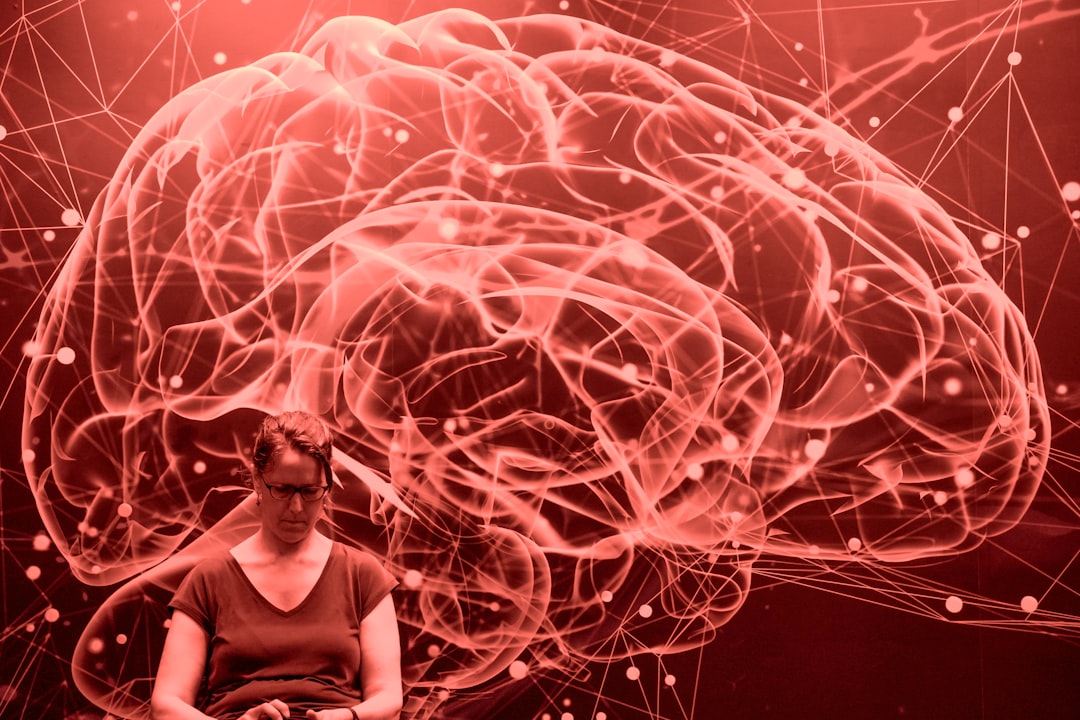
The world of esports has exploded from niche hobby to global phenomenon, demanding not only peak physical reaction times but also profound psychological resilience. Understanding the intricate mental processes that underpin elite performance is becoming as crucial as mastering in-game mechanics. This evolving field of gaming psychology delves deep into the cognitive functions, emotional regulation, and motivational drivers that separate the champions from the contenders.
Cognitive Demands and Strategic Thinking
At the forefront of esports psychology is the analysis of cognitive demands. Elite players exhibit extraordinary levels of attention, working memory, and decision-making speed. Research highlights how they process vast amounts of visual and auditory information simultaneously, adapt to rapidly changing game states, and execute complex strategic plays under immense pressure. This isn't merely about quick reflexes; it's about sophisticated cognitive architectures honed through dedicated practice and innate talent.
The Mental Game: Pressure, Burnout, and Well-being
Beyond raw cognitive ability, the psychological challenges faced by esports athletes are significant. The relentless pressure of competition, the constant pursuit of improvement, and the public scrutiny can lead to burnout, anxiety, and performance slumps. Exploring these aspects is vital for developing sustainable career paths and ensuring the long-term mental well-being of players. Addressing these issues requires a holistic approach, integrating psychological support alongside rigorous training regimes.
Team Dynamics and Communication
For team-based esports, the psychological intricacies extend to interpersonal dynamics. Effective communication, trust, and conflict resolution are critical components of success. Studies are increasingly examining how team cohesion is built, how leadership roles emerge, and how players manage the psychological toll of shared victories and defeats. The synergy between players is often as important as individual skill.
Skill Acquisition and Deliberate Practice
The journey to becoming an esports pro involves more than just playing games. Psychological principles guide effective skill acquisition. Deliberate practice, characterized by focused repetition, immediate feedback, and incremental challenges, is key. Understanding how players learn, adapt, and overcome plateaus offers valuable insights into optimizing training methodologies within the esports ecosystem.
Future Directions in Esports Psychology
The future of esports psychology promises deeper integration with performance enhancement. This includes leveraging biofeedback, advanced analytics of player behavior, and tailored mental training programs. As the industry matures, expect to see a greater emphasis on evidence-based strategies for optimizing player performance, preventing mental health issues, and fostering a more professional and sustainable environment for athletes.
Broader Implications for Gaming
The psychological insights gleaned from esports have broader implications for the entire gaming industry. They inform game design, player engagement strategies, and the development of tools to support player well-being across all genres. As the line between professional athletes and dedicated gamers blurs, understanding the mental landscape of competitive play becomes increasingly relevant for developers and players alike.
Source Insight: This report was curated based on original coverage from sciencedirect.com.
Explore Kri-Zek
📱 Altered Brilliance App
Download on Google Play · Watch the Trailer
📖 The Power of Gaming
Watch the Video
🤝 Connect With Us
Kri-Zek on LinkedIn · Founder on LinkedIn · Happenstance
📸 Follow Us on Instagram
@krizekster · @krizek.tech · @krizekindia